
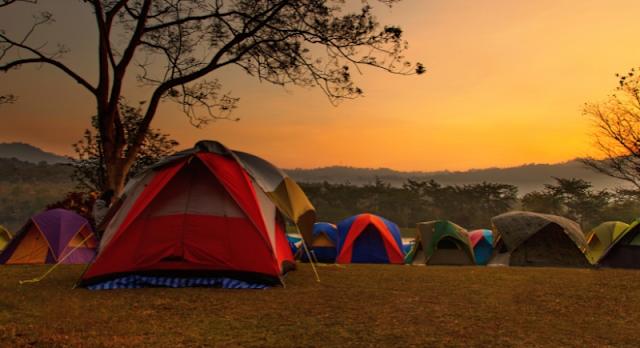
Free camping has a reputation problem, mostly because the phrase gets used for two very different things. One is dispersed camping on public land, which is legal, widespread and officially encouraged within rules. The other is pitching a tent wherever looks quiet and hoping nobody notices, which is trespass. This guide is about the first.
You can tent camp for free on most national forest and Bureau of Land Management land, through dispersed camping outside developed campgrounds. The Forest Service describes this directly: many people drive out on a forest road and pitch near a stream or a view, subject to closures and fire restrictions. The limits are consistent and worth knowing: generally no camping within a mile of developed recreation areas such as trailheads or picnic sites, no more than 14 consecutive days in one location, and no more than 28 days in a calendar year on a given forest. There are no facilities at all, which is the trade you are making.
In short: dispersed camping on national forest and BLM land, within stay limits, with no facilities whatsoever.
The Forest Service also asks dispersed campers to practise Leave No Trace by using existing sites where possible, packing out all trash, camping 100 feet from water, and digging a 6 to 8 inch hole for human waste. Those are not suggestions dressed as rules; they are the reason dispersed camping remains open to everyone.
Below: where free camping is genuinely legal, how to find specific spots, the rules and stay limits that apply, what you need when there are no facilities, and the places people assume are fine that are not.
Key Takeaways
- Dispersed camping on national forest and BLM land is the main legal route to free tent camping.
- You generally cannot camp within a mile of developed recreation areas such as trailheads.
- Stay limits are typically 14 consecutive days in one spot and 28 days per year per forest.
- There are no toilets, water, tables or trash collection. You carry everything in and out.
- Fire restrictions apply and change seasonally, often banning campfires entirely.
- Use existing fire rings and pitches rather than creating new ones.
- Rest areas, trailhead car parks and supermarket car parks are not free camping.
What You Need When There Are No Facilities
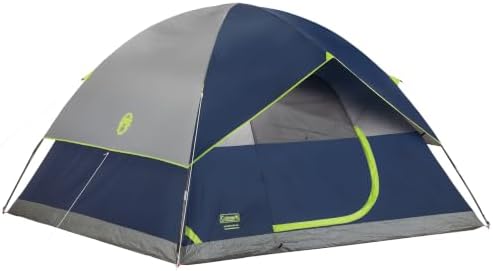
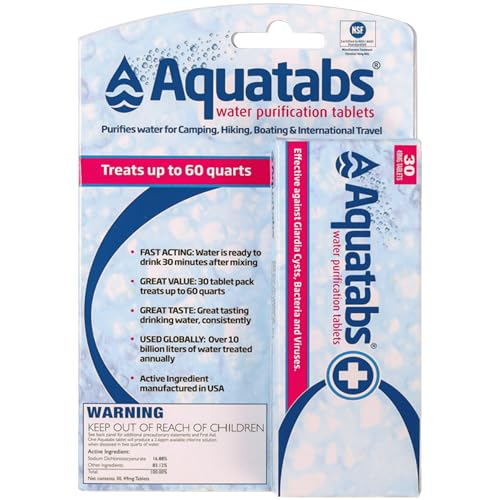
Dispersed camping removes every convenience a campground provides, so the kit list changes accordingly. Water treatment and human waste disposal move from optional to essential, and nothing can be topped up once you are out there.
The trowel is the item people skip and should not. Burying waste properly in a 6 to 8 inch hole is the single clearest Leave No Trace obligation on public land.




Where Free Camping Is Genuinely Legal
The main answer in the United States is dispersed camping on national forest and Bureau of Land Management land, which between them cover an enormous area, particularly in the West. Dispersed means outside any developed campground, with no facilities and usually no fee.
Some state forests and wildlife management areas also permit it, with their own rules, and a handful of other arrangements exist such as designated free sites within some forests. The common factor is that a land manager has decided camping is permitted there, which is what separates free camping from trespass.
| Land type | Free camping? | Key conditions |
|---|---|---|
| National forest, dispersed areas | Usually yes | 14 day limit, away from developed sites, fire rules apply |
| BLM land | Usually yes | Similar stay limits, varies by field office |
| State forest or wildlife area | Sometimes | Rules vary considerably by state and unit |
| National park | Rarely free | Backcountry permits common, usually with a fee |
| Trailhead or day use car park | No | Day use only, overnight parking often prohibited |
| Highway rest area | No | Resting in a vehicle is not the same as pitching a tent |
| Private land | Only with permission | Trespass otherwise, however remote it looks |
The distinction worth internalising is between land where camping is permitted by default and land where it is permitted only in designated places. National forests generally fall into the first category outside restricted areas; national parks almost always fall into the second.
The Rules That Apply Everywhere
Dispersed camping rules are remarkably consistent across federal land, and knowing the four main ones covers most situations. Distance from developed areas, stay limits, water setbacks and waste disposal come up everywhere.
On the distance rule, the Forest Service states that you generally cannot camp within a mile of developed recreation areas such as trailheads or picnic areas. That rules out the convenient spots next to a popular trailhead, which is deliberate: those areas already absorb heavy use.
Stay limits are the second. Visitors cannot camp, occupy or leave equipment in a single location for longer than 14 consecutive days, and cannot camp on the forest for more than 28 days in a calendar year. Those limits exist to stop dispersed sites becoming long-term residences.
The third and fourth are Leave No Trace obligations with specific numbers attached. Camp at least 100 feet from water, and dig a 6 to 8 inch hole for human waste, sited well away from water, camp and trails. Pack out everything else, including food scraps and toilet paper where required.
| Rule | Typical figure | Reason behind it |
|---|---|---|
| Distance from developed areas | About 1 mile | Trailheads and picnic sites already absorb heavy use |
| Stay limit in one location | 14 consecutive days | Stops dispersed sites becoming long-term residences |
| Annual limit per forest | 28 days per calendar year | Spreads use and prevents semi-permanent occupation |
| Distance from water | At least 100 feet | Protects water quality and keeps shorelines accessible |
| Human waste | Cathole 6 to 8 inches deep | Allows decomposition and keeps waste out of water |
Finding Actual Spots
The practical method is less romantic than the phrase secret spots suggests. Start with the forest or field office website, read their dispersed camping page, then get the motor vehicle use map, which shows which roads are open and where roadside camping is permitted.
Then drive the road and look for existing pullouts. Established sites with a flat area and an old fire ring are what you want, both because they are easier and because concentrating use on sites that are already impacted is the core principle of Leave No Trace in this context.
- Pick the land manager first. Identify which national forest or BLM field office covers the area you want. Their website lists dispersed camping rules, closures and any areas where it is prohibited.
- Check current alerts and fire restrictions. Fire bans, road closures and seasonal area closures change through the year, and they override any map or guide you consulted earlier.
- Download maps before you leave. Use the official motor vehicle use map for the forest, and download offline maps. Mobile coverage on forest roads is usually absent.
- Drive out on a forest road and look for existing sites. Established pullouts with a flat pitch and an existing fire ring are the ones to use. Using them concentrates impact rather than spreading it.
- Check the distance from developed areas. Keep clear of trailheads, picnic sites and developed campgrounds, generally by at least a mile unless local rules say otherwise.
- Camp 100 feet from water. Pitch at least 100 feet from streams and lakes. This protects water quality and keeps the shoreline available for wildlife and other visitors.
- Set up your waste plan on arrival. Work out where the cathole site will be before you need it: 100 feet from water, camp and trails, dug 6 to 8 inches deep.
- Leave the site cleaner than you found it. Pack out all trash including food scraps, scatter unused firewood, and leave the existing fire ring rather than building a new one.
What You Give Up
No facilities means exactly that. No toilets, no drinking water, no picnic tables, no trash collection, no camp host and usually no mobile signal. Every one of those has a practical consequence you need to plan for before leaving the tarmac.
Water is the big one. You either carry everything you will drink and cook with, or you treat what you find, which means a filter or tablets and a source you can actually reach. Running out of water a long way down a forest road is a genuine problem rather than an inconvenience.
Waste is the second. Human waste requires a cathole dug 6 to 8 inches deep, well away from water, camp and trails, and in some areas it requires packing out instead. All other rubbish leaves with you, including food scraps, which attract wildlife and persist far longer than people assume.
Do
- Use existing pullouts and fire rings rather than creating new ones
- Check current fire restrictions before planning any fire at all
- Camp at least 100 feet from streams and lakes
- Carry or treat all your own water
- Dig a proper cathole and pack out all trash including food scraps
- Tell someone your route, since mobile coverage is usually absent
Don’t
- Do not camp within a mile of trailheads or developed recreation areas
- Do not stay longer than 14 days in one spot
- Do not drive off established roads to find a pitch
- Do not build new fire rings or cut live vegetation
- Do not assume an empty forest road means no rules apply
- Do not leave food out overnight anywhere with wildlife
Places People Assume Are Fine
Trailhead car parks are the most common mistake. They are day use areas, overnight parking is frequently prohibited, and the mile rule for dispersed camping specifically excludes them. A car parked overnight may be tolerated in some places; a tent pitched beside it generally is not.
Highway rest areas are the second. Rules vary by state and many permit resting in a vehicle for a limited period, which is not the same as camping. Pitching a tent at a rest area is almost universally prohibited.
Supermarket and big-box store car parks come up in van and RV discussions, where some chains have historically tolerated overnight parking. That tolerance is about vehicles, not tents, and it varies by store and by local ordinance. It is not a tent camping option.
Beaches deserve a specific mention because they look like open public land and usually are not. Most public beaches prohibit overnight camping under local ordinances, with permitted beach camping confined to designated sites within national seashores, state parks and private campgrounds.
We go into that in more detail in tent camping on the beach.
Being the Reason It Stays Open
Dispersed camping is a privilege that gets withdrawn. Areas close to camping when they accumulate rubbish, abandoned fire rings, cut vegetation and human waste, and those closures are usually permanent rather than temporary. Every closed area was open until enough people treated it badly.
The practical implications are small. Use the site that already exists, use the fire ring that is already there, carry out what you carry in, bury waste properly, and keep the site small. None of that costs you anything except a little discipline.
Picking up litter that someone else left is worth the thirty seconds too, unglamorous as it is. A site that looks cared for tends to stay that way, and a site with rubbish in the fire ring attracts more of the same from whoever arrives next.
For the kit that makes this practical, see what to pack for tent camping, and our comparison of how tent camping compares with an RV covers why a tent reaches places a larger vehicle cannot.
Honest Limits
Rules vary by unit, and the general federal patterns described here are exactly that. Individual forests and BLM field offices set their own restrictions, some prohibit dispersed camping in large areas, and seasonal closures appear and disappear. The managing agency for your specific destination is the authority.
This article is also written around United States public land, where the dispersed camping framework is unusually generous. Other countries handle this very differently, from the broad access rights in parts of Scandinavia to near-total prohibition elsewhere, so none of this transfers directly.
We have also not visited or verified specific sites, deliberately. Publishing precise locations for quiet dispersed spots tends to end their quietness and often their availability, and the official maps and agency pages are a better route than any list.
Stay Safe Out There
Dispersed camping removes the safety net a campground provides. There is no camp host, often no mobile signal, and potentially nobody passing for days. Tell someone your intended area and return time, and treat that as non-negotiable rather than cautious.
Vehicle access is its own hazard. Forest roads vary from graded gravel to rough tracks, conditions change with weather, and getting stuck a long way from help is a serious situation. Know what your vehicle can handle, carry recovery basics, and turn around rather than committing to something marginal.
Fire restrictions matter more here than anywhere, because there is nobody to tell you a ban is in effect. Check before you travel, check again on arrival for posted notices, and when fires are permitted, use the existing ring and drown the ashes until they are cold to the touch.
Fire guidance that applies on public land is published by the National Park Service, and the managing forest or field office posts current restrictions for their area. Both are worth checking before you go.
Disclaimer: this article is general outdoor information, not legal or safety advice. Rules, closures and conditions vary by location and change through the season, and you are responsible for decisions made on your trip. Check with the managing agency, ask a ranger when unsure, and seek professional medical help for any injury that concerns you.
Frequently Asked Questions
Where can I tent camp for free?
Mainly through dispersed camping on national forest and Bureau of Land Management land, outside developed campgrounds. Some state forests and wildlife areas also permit it. The land manager decides, which is what separates free camping from trespass.
Is dispersed camping legal?
Yes on most national forest and BLM land, within rules. The Forest Service describes campers driving out on a forest road and pitching near a stream or a view, subject to closures, fire restrictions and stay limits.
How long can I stay at a free site?
Generally 14 consecutive days in one location, and no more than 28 days in a calendar year on a given forest. Those limits exist to prevent dispersed sites turning into long-term residences.
How far from a trailhead do I need to be?
Generally at least a mile from developed recreation areas such as trailheads and picnic sites. Those areas already absorb heavy use, which is why camping is pushed away from them.
What facilities are there?
None. No toilets, no drinking water, no tables, no trash collection and usually no mobile signal. You carry in everything you need, treat or carry your own water, and carry out everything including food scraps.
How do I deal with toilet needs?
Dig a cathole 6 to 8 inches deep, at least 100 feet from water, camp and trails, and bury waste completely. Some areas require packing waste out instead, so check local rules before relying on a cathole.
Can I have a campfire?
Only when fire restrictions allow, which varies by season and can change quickly. Use an existing fire ring rather than building a new one, and drown the ashes until cold before leaving or sleeping.
Can I camp in a trailhead car park or rest area?
No. Trailhead car parks are day use areas and overnight parking is frequently prohibited. Rest areas may allow resting in a vehicle for a limited time in some states, which is not the same as pitching a tent.
How do I find specific dispersed sites?
Start with the forest or field office website, get the motor vehicle use map showing which roads are open to camping, download offline maps, then drive the road looking for existing pullouts with established fire rings.
Is free camping safe?
It carries more risk than a campground, mainly because help is further away and there is often no signal. Tell someone your area and return time, know what your vehicle can handle on forest roads, and arrive with daylight to spare.
The Bottom Line
Free tent camping in the United States mostly means dispersed camping on national forest and BLM land, and it is genuinely generous: vast areas, no fee, and official guidance that treats it as a normal thing to do. The rules are consistent and easy to remember. Stay a mile from developed recreation areas, no more than 14 days in one spot, 100 feet from water, and bury waste in a proper cathole.
What you give up is every convenience. No water, no toilets, no trash collection, usually no signal, and forest roads that range from easy to genuinely demanding. Plan the water, plan the waste, check fire restrictions before you travel, and use the pullout and fire ring that already exist rather than making new ones. Dispersed camping stays open because most people do that, and areas close when enough people do not.