

You treated the water properly, drank it, and a few hours later your stomach is in knots. It is a reasonable thing to blame the tablets for, and sometimes that is right. More often the cramps are telling you something else, and distinguishing between the possibilities matters because the responses are different.
Water purification tablets used at the correct dose rarely cause abdominal cramps, and when they do the cause is usually overdosing, using them continuously for long periods, or an individual sensitivity to iodine. Far more commonly, cramps after a camping trip come from a waterborne infection the treatment did not fully prevent, from a different source such as food or dehydration, or from drinking a large volume of cold water quickly. Timing is the most useful clue: treatment effects appear quickly, while infections such as Giardia typically take days to weeks to show up.
In short: usually not the tablets, and timing is the clue that tells you which explanation fits.
This matters because the two explanations lead in opposite directions. If the treatment is the problem you change the product; if an infection is the problem you need to think about diagnosis and whether your treatment method actually covers what is in the water.
Below: what the tablets do in your gut, when they genuinely can cause symptoms, the far more likely explanations, how to use timing to tell them apart, and when symptoms warrant medical attention.
Key Takeaways
- At the correct dose, purification tablets rarely cause abdominal cramps.
- Overdosing, prolonged continuous use and iodine sensitivity are the real treatment-related causes.
- Most post-trip cramps come from infection, food, or drinking cold water too fast.
- Timing separates them: treatment effects are quick, Giardia typically takes one to two weeks.
- Iodine is unsuitable in pregnancy, with thyroid conditions, and for long continuous use.
- Chlorine dioxide avoids the iodine restrictions and covers more organisms.
- Persistent diarrhoea or cramps after a trip deserve a doctor and the trip context.
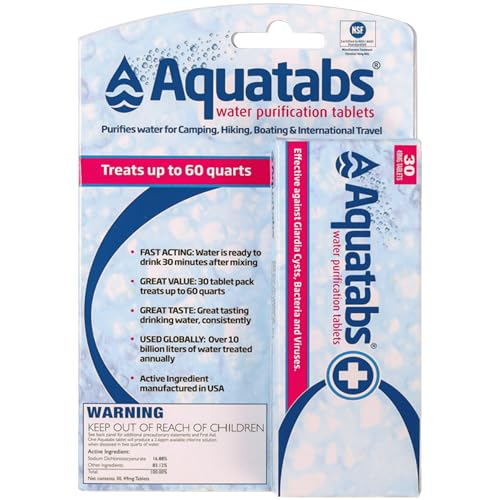
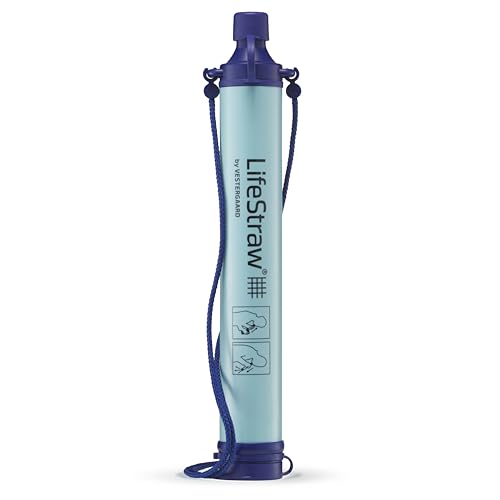
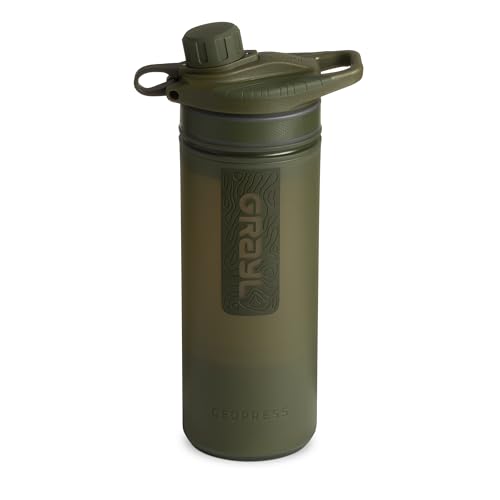
Treatment Options and the Alternatives
If you suspect your current product is the problem, switching chemistry or switching to filtration are both straightforward. The options below cover both routes.
A filter alongside tablets also reduces how often you need the chemical at all, which helps if you are treating water every day for weeks rather than for a weekend.



What the Tablets Actually Do in Your Gut
At the concentrations used for drinking water, the active ingredients are present in very small amounts by the time you drink. Chlorine-releasing tablets produce hypochlorous acid, which reacts in the water and is largely consumed doing its job, and chlorine dioxide behaves similarly.
Iodine is the exception in terms of how the body handles it, because iodine is biologically active. It is absorbed and affects thyroid function, which is why iodine products carry specific restrictions rather than general caution. That is a systemic effect rather than a direct gut irritation.
There is also a plausible but less studied route: any disinfectant reaching the gut in quantity could affect the gut microbiome, which is why continuous long-term use is discouraged rather than merely noted. For occasional weekend use this is not a practical concern.
When Treatment Genuinely Is the Cause
There are three situations where blaming the tablets is reasonable. The first is overdosing, which usually comes from guessing at the volume of water rather than measuring it. Dose is specified per litre or per quart, and a tablet in a half-litre bottle is double the intended concentration.
The second is prolonged continuous use. Iodine in particular is not intended for weeks of uninterrupted use, and the restrictions reflect its effect on thyroid function rather than on the gut specifically. Thru-hikers and long-trip travellers hit this limit in a way weekend campers do not.
The third is individual sensitivity. Some people react to iodine, and some find chlorine-treated water unpleasant enough to cause nausea. Neither is common, and both are straightforward to resolve by switching chemistry or using a filter.
| Cause | How it happens | What to do |
|---|---|---|
| Overdosing | Guessing at water volume instead of measuring | Dose by measured litres or quarts |
| Prolonged iodine use | Weeks of continuous treatment | Switch to chlorine dioxide or a filter |
| Iodine sensitivity | Individual reaction or thyroid condition | Avoid iodine entirely; use another chemistry |
| Strong taste causing nausea | Iodine flavour, especially when tired | Use a neutraliser tablet after the contact time |
| Adding neutraliser too early | Stops treatment working, leaves water untreated | Add only after the full contact time elapses |
The More Likely Explanations
Waterborne infection is the explanation most often mistaken for a treatment reaction, and the one with the most important consequences. Giardia is the classic case, producing cramps, bloating, foul-smelling diarrhoea and fatigue, and it is not reliably covered by iodine or chlorine-releasing tablets.
Cryptosporidium is the other, and it resists chlorine and iodine at field concentrations entirely. If you treated surface water with one of those chemistries and did not filter it, an infection is a realistic possibility that the tablets were never going to prevent.
Then there are the non-water explanations that get overlooked because the water is the thing you did differently. Unfamiliar food, food left too long in a warm cooler, poor handwashing in a camp setting, dehydration, unaccustomed exertion and simply drinking a large volume of very cold water quickly all produce cramps.
Which chemistry you are using changes what is and is not covered, which we go into in what is actually in a water purification tablet.
Using Timing to Tell Them Apart
The interval between drinking and feeling unwell is the most informative single clue, because treatment effects and infections operate on completely different timescales. Writing down when symptoms started is more useful than anything else you can do.
| Cause | Typical onset | Other clues |
|---|---|---|
| Treatment reaction or overdose | Minutes to a few hours | Taste was strong; dose was estimated rather than measured |
| Drinking cold water too fast | Immediately | Resolves quickly; no other symptoms |
| Food poisoning from bacteria | Hours to a day | Often vomiting; others who ate the same are affected |
| Giardia | Typically one to two weeks | Bloating, foul-smelling stools, fatigue, often after you got home |
| Cryptosporidium | Around a week | Watery diarrhoea; chlorine and iodine do not cover it |
| Dehydration or exertion | During or after activity | Headache, dark urine, improves with rest and fluids |
- Note when symptoms started. Write down the gap between drinking the water and the onset of symptoms. That interval is the single most useful piece of information for working out the cause.
- Check your dosing. Confirm you used the stated dose per litre rather than estimating volume. Overdosing is the most common genuine treatment-related cause of gut symptoms.
- Consider how long you have been using them. A weekend is different from six weeks. Prolonged continuous use, particularly of iodine, is where chemical treatment starts to cause problems.
- Rule out the obvious alternatives. Food eaten in the last day, dehydration, exertion, unfamiliar food on a trip, and drinking a lot of very cold water quickly all cause cramps.
- Look at who else is affected. If everyone who drank the water is unwell, that points to the water. If only you are, and you ate something different, that points elsewhere.
- Check whether your method covers Cryptosporidium. Iodine and chlorine-releasing tablets do not reliably cover it. If you used one of those on surface water, an infection is a live possibility.
- Switch chemistry if treatment seems likely. If iodine is the suspect, chlorine dioxide avoids the iodine-specific issues, and a filter removes the need for chemicals for most of your water.
- See a doctor if it persists. Cramps and diarrhoea lasting more than a couple of days, or accompanied by fever, blood or dehydration, need medical assessment with the trip context included.
Using Tablets So They Do Not Cause Problems
Most of the avoidable issues come down to dosing and timing. Measuring the water rather than estimating it eliminates overdosing, and waiting the full contact time means the treatment actually works, which removes the infection explanation as well.
For longer trips, rotating methods helps. Using a filter as the primary method for most of your water and tablets as backup means the chemical exposure is occasional rather than continuous, which sidesteps the prolonged-use concerns entirely.
Do
- Dose by measured volume rather than estimating
- Wait the full contact time, and longer in cold water
- Use chlorine dioxide if you need Cryptosporidium coverage
- Add any taste neutraliser only after the contact time has finished
- Use a filter for most water on long trips, with tablets as backup
- Note when symptoms started, because the timing is diagnostic
Don’t
- Do not use iodine during pregnancy or with thyroid conditions
- Do not use iodine continuously for weeks on end
- Do not guess at water volume when dosing
- Do not assume cramps mean the tablets, since timing usually says otherwise
- Do not ignore persistent diarrhoea after a trip
- Do not use chlorine dioxide products sold as health supplements
If you are reconsidering what to carry, see which water purification tablets to carry and which water purification method to choose.
Who Should Avoid Iodine Specifically
Iodine products carry restrictions that are not about gut symptoms at all, and they are worth knowing because they apply regardless of whether anyone feels unwell. They are not suitable during pregnancy, for people with thyroid disorders, or for anyone with a known iodine allergy.
Prolonged continuous use is the other restriction and the one most relevant to long-distance hikers. Manufacturer guidance typically limits continuous use to a period of weeks rather than months, because of the effect on thyroid function rather than on the digestive system.
Chlorine dioxide avoids all of these, which is one reason it has largely displaced iodine for general backcountry use. It also covers Cryptosporidium, which iodine does not, so switching resolves two separate issues at once.
Honest Limits
This article cannot diagnose anything, and it should not be used to talk yourself out of seeing a doctor. Abdominal symptoms have many causes, several of them unrelated to camping, and persistent or severe symptoms need proper assessment rather than reasoning from a timing table.
The timing figures are typical ranges rather than rules. Incubation periods vary between individuals and infections, and people do present outside the usual windows, so timing shifts the probabilities rather than settling the question.
We have also not tested these products or reviewed clinical evidence in depth. This article explains what the chemistry does and how to think about the alternatives; it is not a medical assessment of any product or symptom.
Stay Safe Out There
See a doctor if diarrhoea or cramps last more than a couple of days, if there is fever, blood in the stool, severe pain, or signs of dehydration such as dizziness, very dark urine or inability to keep fluids down. Mention the camping trip and what you drank, because it changes what gets tested for.
Dehydration is the complication that turns a manageable illness into a serious one, particularly if you are still on a trip. Keep drinking, use oral rehydration solution if you have it, and treat an inability to keep fluids down as a reason to get off the trail rather than to push on.
Prevention beyond water treatment matters more than people expect. Handwashing in camp, keeping food cold, and not sharing bottles and utensils all reduce the routes by which these infections actually spread, several of which have nothing to do with the water you treated.
Guidance on waterborne illness and drinking water treatment is published by the CDC and the EPA, including guidance on the organisms chemical treatment does and does not cover.
Disclaimer: this article is general information, not medical advice, and nothing here diagnoses or treats any condition. Symptoms have many causes, and you are responsible for seeking appropriate care. Follow product instructions, and consult a doctor for any symptoms that are severe, persistent or concerning.
Frequently Asked Questions
Can water purification tablets cause stomach cramps?
Rarely at the correct dose. When treatment is genuinely the cause it is usually overdosing, prolonged continuous use, or iodine sensitivity. Most post-trip cramps come from infection, food or dehydration instead.
How do I know if it is the tablets or an infection?
Timing is the best clue. Treatment effects appear within minutes to hours. Giardia typically takes one to two weeks and Cryptosporidium around a week, which is why those often appear after you get home.
Can I overdose on purification tablets?
You can exceed the intended concentration by guessing at water volume, which is the most common genuine treatment-related cause of symptoms. Dose by measured litres or quarts rather than by eye.
Is iodine worse than chlorine for the stomach?
Iodine is biologically active and is absorbed, which is why it carries restrictions for pregnancy, thyroid conditions and prolonged use. Its strong taste can also cause nausea independently of any direct effect.
Can I use tablets every day for weeks?
Not iodine. Manufacturer guidance limits continuous use, and the concern is thyroid function rather than the gut. Chlorine dioxide avoids that restriction, and using a filter for most water reduces chemical exposure anyway.
Could my cramps be Giardia?
Possibly, especially if symptoms appeared one to two weeks after the trip and include bloating, foul-smelling diarrhoea and fatigue. Iodine and chlorine-releasing tablets do not reliably cover Cryptosporidium, and Giardia needs adequate contact time.
Does the taste make people feel sick?
It can, particularly iodine, and particularly when someone is tired, dehydrated and eating unfamiliar food. A taste-neutralising tablet added after the full contact time often resolves it without changing products.
Should I switch to a filter?
If you are treating water daily for extended periods, a filter as the primary method with tablets as backup reduces chemical exposure substantially and covers Cryptosporidium, which the cheaper chemistries do not.
What if everyone in my group is unwell?
That points toward the water or shared food rather than an individual reaction. Consider whether your treatment method covered the likely organisms, and whether contact times were actually observed.
When should I see a doctor?
If symptoms last more than a couple of days, or involve fever, blood in the stool, severe pain or signs of dehydration. Mention the trip and what you drank, because it affects what gets tested for.
The Bottom Line
Water purification tablets used as directed are an unlikely cause of abdominal cramps, and the cases where they genuinely are the culprit have specific explanations: overdosing from guessing at water volume, weeks of continuous iodine use, or an individual sensitivity. All three are straightforward to resolve by measuring doses, switching to chlorine dioxide, or using a filter for most of your water.
The more useful question is what else could explain it, and timing answers that better than anything. Symptoms within hours point toward treatment, food or simply drinking cold water fast. Symptoms a week or two later point toward Giardia or Cryptosporidium, neither of which iodine and chlorine-releasing tablets reliably cover. If cramps and diarrhoea persist beyond a couple of days, or come with fever, blood or dehydration, that is a doctor rather than a product decision, and tell them where you were drinking from.