
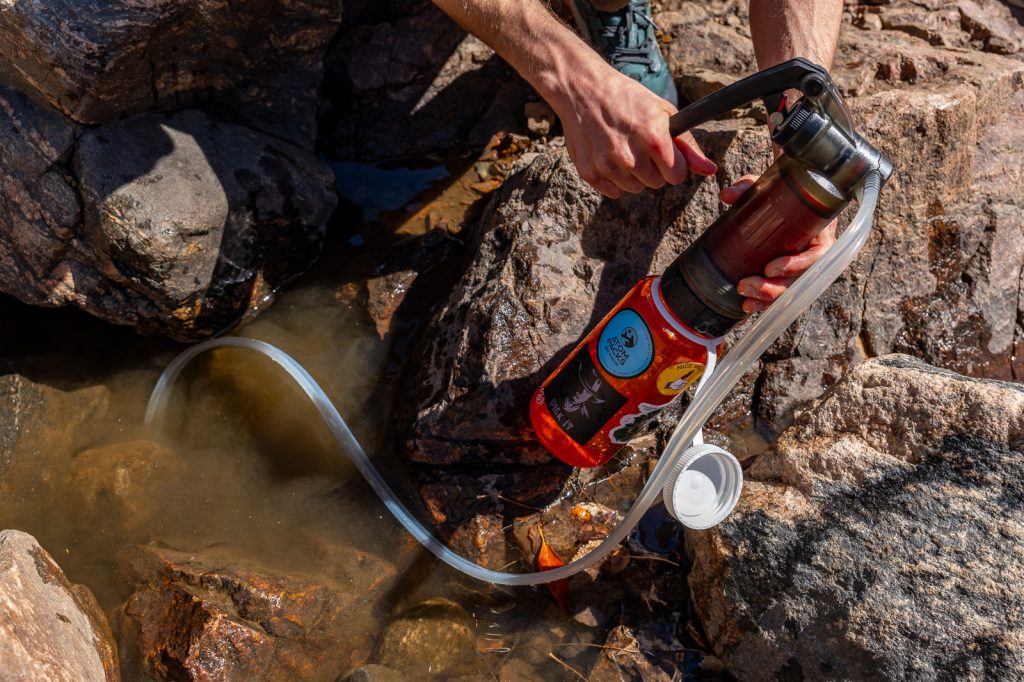
Asking which water purification method is best is like asking which tool is best. The honest answer depends entirely on what is in the water, how much you need, how long you can wait and what you can carry. Every method has a specific gap, and the gaps are the useful part of the comparison rather than an awkward footnote.
There is no single best water purification method, but boiling is the most universally effective for pathogens and a hollow fibre filter is the most practical for backcountry use. Boiling kills bacteria, viruses and protozoa reliably but needs fuel, time and cooling, and does nothing about chemicals. Filters remove bacteria and protozoa quickly with no wait, but most backpacking filters do not remove viruses. Chemical tablets handle viruses and weigh almost nothing but need long contact times and clear water. UV treatment is fast and tasteless but requires clear water and batteries. Match the method to the threat and the trip.
In short: boiling for certainty, a filter for practicality, chemicals for weight, and often two of them together.
The CDC and EPA both treat the choice as conditional rather than absolute, noting that chemical disinfection performs poorly in cold or cloudy water and that turbidity shields microorganisms from disinfectants. That conditionality is precisely why no method wins outright.
Below: what you are actually trying to remove, how each method performs against each threat, the practical trade-offs in weight and time, how to combine methods, and how to choose for the trip in front of you.
Key Takeaways
- There is no universally best method. The right one depends on the threat, the volume and the trip.
- Boiling is the most reliable against all pathogens, and useless against chemical contamination.
- Hollow fibre filters are the practical backcountry default but do not remove viruses.
- Chemical tablets cover viruses and weigh nothing, but need time and clear water.
- UV is fast and leaves no taste, and depends on clear water and working batteries.
- Nothing portable removes dissolved chemicals except reverse osmosis, which is impractical on a trail.
- Combining a filter with chemical treatment covers nearly every realistic backcountry scenario.
The Methods, in Practice
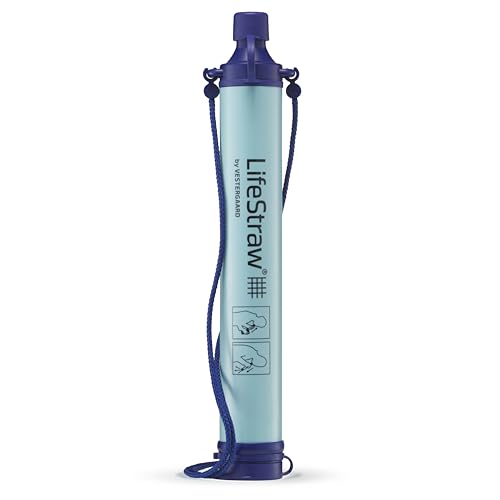
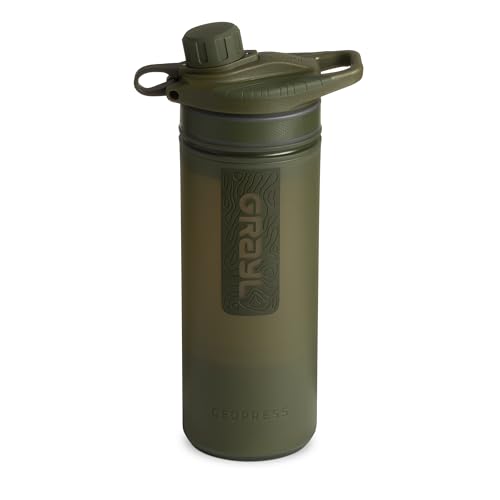
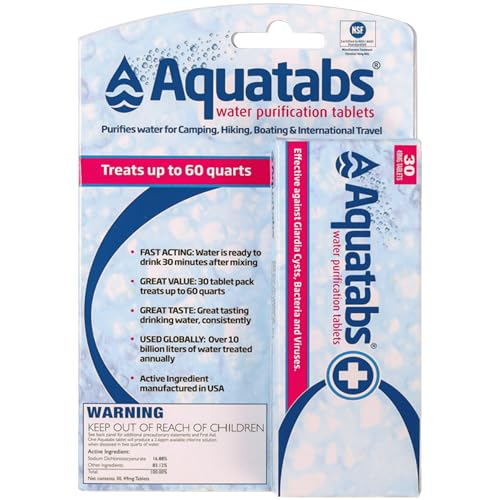
Each product below represents one of the approaches discussed in this article, which makes the trade-offs easier to see side by side than any table can manage alone.
Most experienced campers end up carrying two: something that filters and something that disinfects chemically. The combination covers the gaps each one leaves.



What You Are Actually Removing
Treatment method follows from threat, so the first question is what is plausibly in the water rather than which gadget has the best reviews. There are four broad categories, and they behave completely differently.
Bacteria such as E. coli and Campylobacter are the most common backcountry concern and the easiest to deal with. Every method on this list handles them. Protozoa, principally Giardia and Cryptosporidium, are larger but tougher, and Cryptosporidium in particular resists chlorine and iodine.
Viruses are smaller than filter pores, which is why most backpacking filters do not claim to remove them. In most of North America and Europe they are a low risk in wild water; in regions where water is contaminated with human sewage they are the primary concern.
Chemical contamination is the fourth category and the one no portable method addresses. Pesticides, fertiliser runoff, heavy metals and fuel residues pass through filters, survive boiling and ignore chemical disinfection. The only answer is a different source.
| Method | Bacteria | Viruses | Protozoa | Chemicals |
|---|---|---|---|---|
| Boiling | Yes | Yes | Yes | No |
| Hollow fibre filter, 0.1 micron | Yes | No | Yes | No |
| Purifier bottle or pump | Yes | Yes | Yes | Partly, with carbon |
| Chlorine dioxide tablets | Yes | Yes | Yes, with long contact | No |
| Iodine or chlorine tablets | Yes | Yes | Not Cryptosporidium | No |
| UV treatment | Yes | Yes | Yes | No |
| Activated carbon alone | No | No | No | Many organics only |
| Reverse osmosis | Yes | Yes | Yes | Yes |
Boiling: The Benchmark
Boiling is the method every other one is measured against, because heat inactivates all classes of pathogen without depending on water clarity, chemistry or equipment condition. Cloudy water, cold water and unknown organisms all stop mattering once it reaches a rolling boil.
The mechanism is simply protein denaturation. Pathogens are destroyed well before water reaches boiling point, which is why the boil itself functions as a visible indicator that you have got hot enough rather than being a magic threshold in its own right.
The costs are practical rather than technical. It needs fuel, which is weight you carry and a resource that runs out. It takes time to heat and then considerably longer to cool before you can drink it. And it does nothing at all about chemical contamination or cloudiness.
Filters: The Practical Default
A hollow fibre filter is where most backcountry campers end up, and the reason is immediacy. Water goes in, water comes out, you drink it. No waiting, no fuel, no batteries, and the weight is measured in a couple of ounces for a squeeze filter.
The mechanism is physical straining through pores typically rated at 0.1 micron, which stops bacteria and protozoa reliably. Viruses are smaller than that and pass through, which is the defining limitation and the reason filters are called filters rather than purifiers.
Filters also have failure modes worth planning around. They clog in silty water, which slows flow until they are backflushed, and a filter that freezes can suffer damage to the fibres that is invisible from outside. That second one matters on shoulder-season and winter trips.
Gravity systems apply the same technology at group scale. Fill a bag, hang it, and let a few litres filter while you set up camp. For a group they are far more practical than passing a squeeze filter around, at the cost of bulk.
Chemicals and UV
Chemical treatment wins on weight and loses on time. A strip of tablets weighs almost nothing, lasts years unopened and covers viruses, which filters do not. The cost is contact time, from around thirty minutes for most targets to as much as four hours for Cryptosporidium with chlorine dioxide.
Cold and cloudy water both degrade chemical performance substantially, because the reaction slows in cold and suspended particles physically shield microorganisms. That makes chemicals an awkward primary method for glacial meltwater or silty rivers, and an excellent backup almost everywhere.
UV treatment inactivates pathogens by damaging their DNA, which is fast, leaves no taste and covers all classes. It requires genuinely clear water, since particles shade organisms from the light, and it depends on batteries and a working device, which are two failure modes a tablet does not have.
| Method | Wait time | Weight | Main failure mode |
|---|---|---|---|
| Boiling | Heat plus cooling time | Stove and fuel | Running out of fuel |
| Squeeze or straw filter | None | A few ounces | Clogging, and freezing damage |
| Gravity filter | Minutes, unattended | Moderate | Clogging; bulk for one person |
| Purifier bottle | Seconds of pressing | Heavier than a filter | Cartridge life and cost |
| Chemical tablets | 30 minutes to 4 hours | Negligible | Impatience, and cold or cloudy water |
| UV device | A minute or two | Light, plus batteries | Flat batteries, cloudy water, breakage |
The chemical options are compared in more detail in which water purification tablets to carry.
Why Carbon and Reverse Osmosis Sit Apart
Activated carbon appears in a great many filters and is frequently mistaken for a purification stage. It is not. Carbon adsorbs dissolved organic molecules, which removes chlorine taste and many chemical contaminants, and it does nothing whatsoever to microorganisms.
That makes carbon a genuinely useful addition and a dangerous thing to rely on alone. A filter whose only active element is carbon is a taste improver, not a water treatment, and the distinction matters enormously if you are drinking from a stream.
Reverse osmosis is the opposite case: it removes everything including dissolved salts and metals, and it is impractical outdoors. It needs pressure, substantial equipment and discards several litres for every one it produces. It belongs in a kitchen or on a boat rather than in a pack.
Both are covered in detail in the role of charcoal in water purification and how reverse osmosis works.
Choosing for Your Actual Trip
The useful question is not which method is best but which combination covers the gaps for the trip you are taking. Most experienced campers converge on the same answer: a filter as primary and tablets as backup, because the two fail in different ways.
- Identify the likely threat. Backcountry surface water in North America and Europe is mainly a bacteria and protozoa problem. Regions with poor sanitation add viruses. Industrial or agricultural areas add chemicals.
- Assess the water clarity. Cloudy or silty water defeats chemical treatment and UV, and clogs filters quickly. If turbidity is likely, plan to pre-filter or settle the water first.
- Work out your volume. One person drinking as they walk is a different problem from a group needing twenty litres at camp. Gravity systems and tablets scale; squeeze filters and UV pens do not.
- Decide how long you can wait. Filters and UV give you water immediately. Chemicals need thirty minutes to four hours. Boiling needs fuel, time and then cooling before you can drink it.
- Count the weight and the failure modes. Filters clog and freeze, UV pens need batteries, stoves need fuel, tablets expire. Consider what happens if your primary method fails mid-trip.
- Pick a primary and a backup. Most people settle on a filter as primary and tablets as backup, because tablets weigh almost nothing and fail differently from a filter.
- Check for chemical risk separately. If the catchment has mining, intensive agriculture or industry, no portable method fixes it. Plan to carry water or use a different source.
Do
- Carry a backup method that fails differently from your primary
- Pre-filter or settle cloudy water before chemicals or UV
- Backflush a filter regularly rather than waiting for the flow to die
- Keep a filter from freezing by sleeping with it in cold conditions
- Choose your source carefully, upstream of trails and grazing
- Treat all backcountry water regardless of how clear it looks
Don’t
- Do not rely on a carbon-only filter for pathogens
- Do not assume a 0.1 micron filter covers viruses
- Do not cut chemical contact times short because you are thirsty
- Do not rely on UV in cloudy water or with low batteries
- Do not expect any portable method to remove chemicals or metals
- Do not carry a method you have never used before the trip
Honest Limits
Performance figures vary between products, and the general capabilities described here cannot tell you what a specific filter or tablet achieves on your water. Certification to a recognised standard for a named organism is far more informative than a manufacturer adjective.
Guidance also differs at the margins between agencies and manufacturers, particularly on contact times, because the right answer depends on temperature, turbidity and which organisms are plausibly present. Where sources disagree, follow the more cautious of the two.
We have not tested any of these products or cultured treated samples. This article compares the mechanisms and their trade-offs; it is not an assessment of how well a particular product performs against a particular contaminant.
Stay Safe Out There
Source selection does more for your safety than any product on this list. Take water from flowing sources upstream of trails, campsites and grazing land, away from obvious human activity. A good source lightly treated beats a poor source treated heavily.
Treat all backcountry surface water, however clear and remote it looks. Clarity tells you nothing about microbial content, and the upstream cause of a problem is usually something you cannot see from where you are filling a bottle.
Symptoms of waterborne illness often appear days or weeks after a trip, which makes the cause easy to miss. Persistent diarrhoea, cramping, nausea or fatigue afterwards is worth raising with a doctor along with what you drank and how it was treated.
Guidance is published by the CDC and the EPA, both of which are worth reading before relying on any single method for an extended trip.
Disclaimer: this article is general information, not medical advice. Treatment effectiveness depends on conditions, dose and timing, and you are responsible for the water you drink. Follow product instructions, check current public health guidance, and seek professional medical help for any symptoms that concern you.
Frequently Asked Questions
What is the best water purification method?
There is no single best. Boiling is the most universally effective against pathogens, a hollow fibre filter is the most practical for backcountry use, and chemicals are the lightest. The right choice depends on the threat, volume and trip.
Is boiling better than filtering?
More thorough against pathogens, less practical on a trail. Boiling handles bacteria, viruses and protozoa regardless of water clarity, but needs fuel, time and cooling. Filters give you water immediately but miss viruses.
Do water filters remove viruses?
Most backpacking filters do not. Viruses are smaller than the typical 0.1 micron pore size and pass through. Purifier-grade products and chemical treatment cover viruses, which is why many people carry a filter plus tablets.
What should I carry for backcountry camping?
A hollow fibre filter as the primary method and chemical tablets as backup. Tablets weigh almost nothing, cover viruses, and fail differently from a filter, which is exactly what you want from a backup.
Is UV treatment any good?
Yes, when conditions suit it. UV inactivates all classes of pathogen quickly and leaves no taste. It requires genuinely clear water, because particles shade organisms from the light, and it depends on batteries and an unbroken device.
What removes chemicals from water?
Activated carbon removes many organic chemicals and chlorine. Reverse osmosis removes dissolved salts, metals and nitrates as well. Nothing else on this list touches chemical contamination, including boiling, filtering and tablets.
Does cloudy water matter?
Considerably. Suspended particles shield microorganisms from chemicals and from UV, and they clog filters rapidly. Pre-filter through cloth or let the water settle before treating it, whatever method you are using.
Can I just use activated carbon?
No. Carbon adsorbs dissolved chemicals and improves taste, and it does nothing to bacteria, viruses or protozoa. A filter whose only active element is carbon is a taste improver rather than a water treatment.
What about reverse osmosis for camping?
Impractical. It needs pressure, substantial equipment and discards several litres for each one it produces. It is excellent in a kitchen or on a boat, and makes no sense in a pack where the threat is microbial anyway.
How many methods should I carry?
Two, ideally failing in different ways. A filter can clog or freeze; tablets can only be used too hastily. Carrying both costs a couple of ounces and covers almost every realistic backcountry situation.
The Bottom Line
The question has no single answer because the methods do not compete so much as cover different gaps. Boiling is the benchmark for pathogens and the least practical on a trail. A hollow fibre filter gives you water immediately with no fuel or wait, and misses viruses. Chemical tablets cover viruses and weigh nothing, and need time and clear water. UV is fast and clean, and needs batteries and clarity.
So pick for the trip rather than in the abstract. For backcountry camping in most of North America and Europe, a filter as primary and tablets as backup covers almost everything for a couple of ounces. Add a carbon stage if taste matters, pre-filter anything cloudy, and remember that no portable method touches chemical contamination, which makes source selection the decision that matters most of all.