
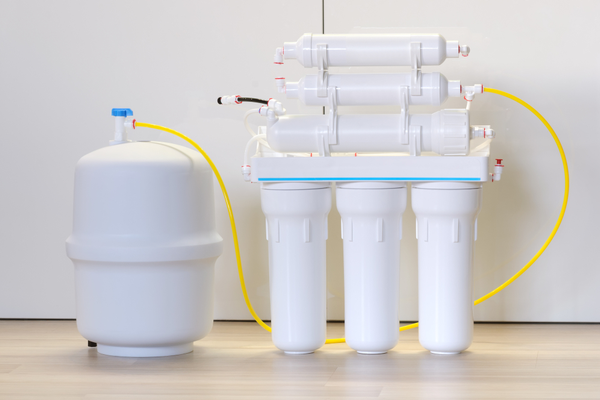
Reverse osmosis is the most thorough water treatment available to a consumer, and it is also the one most likely to be the wrong tool for a camper. It removes things that no backpacking filter or purification tablet can touch, and it does so slowly, at pressure, while throwing away a significant amount of water. Both halves of that sentence matter.
Reverse osmosis forces water through a semi-permeable membrane with pores small enough to block dissolved salts and metal ions, not just microorganisms. Pressure drives clean water through while contaminants are left behind and flushed away as wastewater. It removes dissolved solids, heavy metals, nitrates, fluoride and salt, which filters and chemical tablets cannot do, and it also removes bacteria, viruses and protozoa. The cost is pressure, slow throughput, wasted water and bulky equipment, which is why it remains a household or basecamp technology rather than something you would ever carry backpacking.
In short: RO removes dissolved contaminants nothing else does, at the cost of pressure, water waste and bulk.
The EPA recognises reverse osmosis as an effective treatment for a range of dissolved contaminants, including nitrates and certain metals, which are exactly the things chemical disinfection and hollow fibre filters leave untouched. That is the specific gap it fills, and it is worth understanding before deciding you need one.
Below: how osmosis gets reversed, what RO actually removes, how it compares with filters and tablets, the wastewater and mineral questions, where it genuinely belongs outdoors, and why it is almost never on a packing list.
Key Takeaways
- Reverse osmosis pushes water through a membrane fine enough to block dissolved salts and metal ions.
- It removes heavy metals, nitrates, fluoride and salt, which filters and tablets cannot.
- It also removes bacteria, viruses and protozoa, making it a complete barrier.
- It needs pressure to work, which means a pump, mains supply or significant manual effort.
- Every system produces wastewater, often several litres rejected per litre produced.
- It strips beneficial minerals too, which is why some systems remineralise afterwards.
- For backpacking it is the wrong tool; a filter plus chemical treatment is lighter and faster.
Reverse Osmosis and the Alternatives
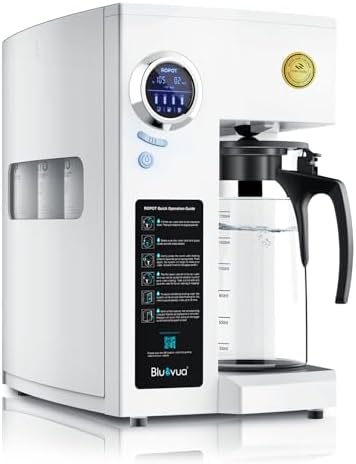
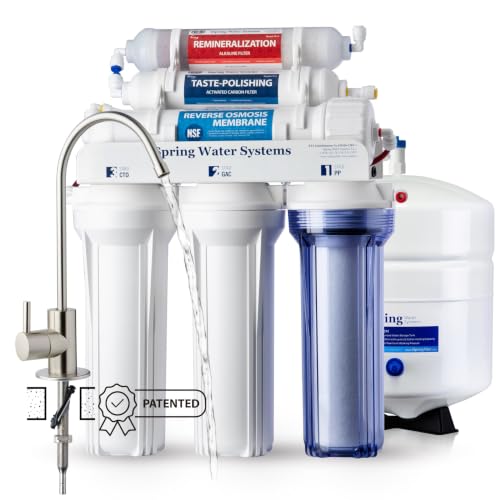
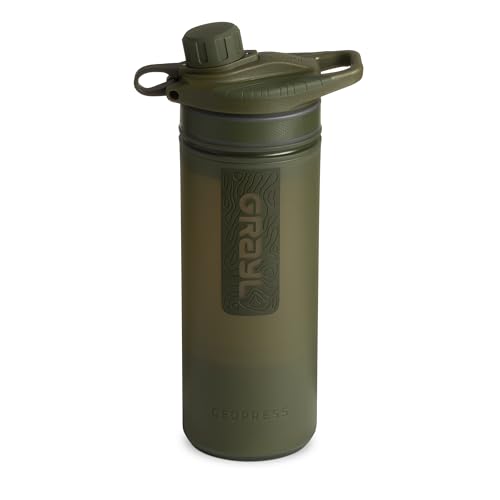
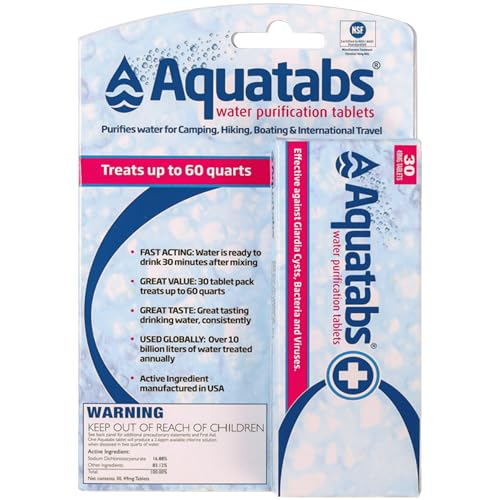
Reverse osmosis systems are household equipment, and the outdoor equivalents are filters and chemical treatment. The list below covers both, so you can see where the line falls between them.
If your concern is pathogens in backcountry water, the filters and chemical options are the right answer. RO belongs in the picture only when dissolved contaminants are the problem.


Osmosis, and How You Reverse It
Osmosis is a natural process. Put a semi-permeable membrane between pure water and salty water, and water moves from the pure side to the salty side, diluting it. The membrane lets water molecules through but blocks the dissolved salt, and the flow continues until the pressure difference balances the concentration difference.
Reverse osmosis does exactly what the name says. Apply enough pressure to the salty side to overcome that natural tendency, and water is forced backward through the membrane, leaving the dissolved contaminants behind. The output is water with most of its dissolved content removed.
The pressure requirement is not incidental; it is the core of why RO is a household technology. Household systems typically run on mains water pressure, and where that is insufficient they add a booster pump. Desalination plants use very high pressures indeed, because seawater requires far more force to push back against.
The membrane itself is the other defining feature. RO membranes reject particles down to the scale of dissolved ions, far smaller than the 0.1 micron pores of a typical backpacking hollow fibre filter. That difference in scale is why the two technologies remove such different things.
What RO Removes That Nothing Else Does
The value of reverse osmosis is entirely in dissolved contaminants. A hollow fibre filter strains out anything larger than its pores, which covers bacteria and protozoa but nothing dissolved. Carbon adsorbs organic molecules. Chemical disinfection inactivates living organisms. None of those touch dissolved salts, metal ions or nitrates.
RO does, because its membrane operates at the scale where those contaminants live. That makes it the appropriate choice for a well with nitrate contamination from agricultural runoff, a supply with elevated lead or arsenic, or brackish water that is too saline to drink.
| Contaminant | Hollow fibre filter | Activated carbon | Chemical tablets | Reverse osmosis |
|---|---|---|---|---|
| Bacteria | Yes | No | Yes | Yes |
| Viruses | No | No | Yes | Yes |
| Protozoa and cysts | Yes | No | Varies by chemistry | Yes |
| Chlorine and taste compounds | No | Yes | No | Yes, with a carbon stage |
| Pesticides and solvents | No | Largely yes | No | Yes |
| Heavy metals | No | Poorly | No | Yes |
| Nitrates | No | No | No | Yes |
| Dissolved salts | No | No | No | Yes |
| Sediment | Yes | Partly | No | Yes, via pre-filters |
The Wastewater Problem
Every RO system produces two streams: the permeate, which is the purified water you drink, and the concentrate or reject, which carries away everything the membrane blocked. That reject stream has to go somewhere, and in a household system it usually goes down the drain.
The ratio varies by system and conditions, but several litres rejected per litre produced is common, and older or poorly configured systems can be worse. For a mains-connected household this is a cost and an environmental question. On a well, a rainwater system or anywhere water is limited, it can be a genuine constraint.
That ratio is also the main reason RO does not translate to the outdoors. Carrying or collecting water takes effort, and a system that discards most of what you feed it is working against you. A backpacking filter wastes nothing.
Minerals, Taste and Remineralisation
RO does not distinguish between harmful dissolved contaminants and beneficial ones. Calcium and magnesium are removed along with lead and nitrate, which is why RO water tastes noticeably flat to many people. Taste in water comes largely from its dissolved mineral content.
That is why many systems include a remineralisation stage after the membrane, adding a controlled amount of minerals back. It is primarily a taste decision rather than a nutritional one, since most dietary minerals come from food rather than water, but the taste difference is real and noticeable.
There is a practical corollary for anyone relying on RO water on a long trip or expedition. Very low mineral water combined with heavy sweating can contribute to electrolyte imbalance, which is a reason to pay attention to what you eat and drink alongside it rather than a reason to avoid RO.
For the stage that handles taste and chlorine rather than dissolved solids, see the role of charcoal in water purification.
Where RO Belongs Outdoors
There are genuine outdoor applications, and they are all cases where dissolved contamination is the problem or where no fresh water exists at all. Marine use is the clearest: watermakers on boats are reverse osmosis systems producing fresh water from seawater, which no filter or tablet can do.
Manual emergency desalinators exist for liferafts and work on the same principle, powered by hand pumping against very high pressure. They are slow, physically demanding and expensive, which tells you something about what it takes to make RO portable.
Basecamp and overlanding setups with vehicle power are the other realistic case, particularly in regions with brackish groundwater or known contamination. If you have a vehicle, a pump and a tank, RO becomes practical in a way it never is in a backpack.
Do
- Use RO where dissolved contaminants such as nitrates, metals or salt are the actual problem
- Test a well or spring before choosing treatment for it
- Check the wastewater ratio before buying any system
- Consider remineralisation if flat-tasting water bothers you
- Budget for membrane and pre-filter replacement over time
- Use a filter or chemical treatment for backcountry pathogens instead
Don’t
- Do not take an RO system backpacking; the weight and waste make no sense
- Do not expect RO to work without meaningful pressure
- Do not drink or recirculate the reject stream
- Do not assume RO handles everything; pre-filters and carbon stages do real work
- Do not neglect the service schedule, since a fouled membrane performs poorly
- Do not use RO as a substitute for finding a cleaner source where one exists
Choosing Between RO and the Alternatives
The decision is simpler than product marketing makes it. Identify whether your problem is biological or chemical. If it is biological, which covers nearly all backcountry water, a filter or chemical treatment solves it faster, lighter and cheaper. If it is chemical, RO is often the only consumer option that works.
- Identify the actual problem. Work out whether your concern is microorganisms or dissolved chemicals. Those two problems have completely different solutions, and RO is only the answer to the second.
- Test the water if it is a source you use. For a well, a spring or a home supply, a laboratory test tells you what is present. Selecting treatment without testing means guessing at the contaminant.
- Check whether a cheaper stage covers it. Activated carbon handles chlorine and many organics, and a membrane filter handles pathogens. If those cover your problem, RO is unnecessary expense and waste.
- Confirm you have pressure available. RO needs meaningful pressure to work. Mains supply or a pump is required, which is why it does not translate to a backcountry setting.
- Account for the wastewater. Check the rejection ratio of any system you consider. Several litres discarded per litre produced is common, which matters on a well or a limited supply.
- Decide about remineralisation. RO strips beneficial minerals along with contaminants. Some systems add them back, which affects taste as much as anything else.
- Plan for membrane replacement. Membranes and pre-filters have service lives. Factor the ongoing cost and the replacement schedule into the decision rather than just the purchase price.
| Your situation | Right method | Why |
|---|---|---|
| Backcountry stream or lake | Filter, or tablets, or both | The threat is microbial; RO is pure overhead |
| Municipal tap water you dislike the taste of | Activated carbon | Chlorine and taste compounds are what carbon is for |
| Well with nitrate or metal contamination | Reverse osmosis | Only consumer method that removes dissolved ions |
| Brackish or saline source | Reverse osmosis | Nothing else removes dissolved salt |
| Basecamp with vehicle power | Gravity filter, or RO if chemistry demands it | Pressure and bulk become workable with a vehicle |
| Suspected industrial or mining contamination | A different source | No portable treatment reliably makes that water safe |
Honest Limits
Performance varies by system, by membrane condition and by what is actually in the water, so the general capabilities described here cannot tell you what a specific unit will achieve on your supply. Certification to a recognised standard for a named contaminant is the only reliable guide.
We have not tested any of these systems or verified removal claims. This article explains the mechanism and where the technology fits relative to filters and chemical treatment; it is not an assessment of how any particular product performs.
There is also a limit on what any treatment choice can do without information. Selecting a system without knowing what is in your water means guessing, and for a well or spring that matters enough to justify a laboratory test before spending anything.
Stay Safe Out There
For backcountry trips, the practical safety point is that RO is not the answer you are looking for. Treat all surface water for pathogens with a filter rated for bacteria and protozoa, chemical treatment, or both together. Those are light, fast and proven, and they address the threat that actually exists on a trail.
Where chemical contamination is genuinely suspected, such as downstream of mining, intensive agriculture or industry, no portable treatment makes that water safe. The correct response is a different source, and carrying enough water to reach one is a better plan than any filter.
Symptoms of waterborne illness often appear days or weeks after exposure. Persistent diarrhoea, cramping, nausea or fatigue after a trip is worth raising with a doctor along with the context of what you drank and how it was treated.
Guidance on drinking water treatment is published by the EPA and the CDC. For the methods that actually belong in a pack, see which water purification tablets to carry and how chlorination works in water treatment.
Disclaimer: this article is general information, not medical or water-quality advice. Treatment performance depends on the system, the contaminant and the conditions, and you are responsible for the water you drink. Have a suspect source tested, follow manufacturer instructions, and seek professional medical help for any symptoms that concern you.
Frequently Asked Questions
What is reverse osmosis water purification?
A process that forces water through a semi-permeable membrane fine enough to block dissolved salts and metal ions. Pressure pushes clean water through while contaminants are left behind and flushed away as wastewater.
What does reverse osmosis remove?
Dissolved solids including heavy metals, nitrates, fluoride and salt, plus bacteria, viruses and protozoa. It is the only common consumer method that handles dissolved chemistry rather than just particles and living organisms.
Is reverse osmosis better than a water filter?
Different, rather than better. A filter removes particles and pathogens cheaply and quickly. RO additionally removes dissolved contaminants but needs pressure, wastes water and is far bulkier. Match the method to the problem you actually have.
Can I take reverse osmosis camping?
Not realistically for backpacking. RO needs pressure, is heavy and bulky, and discards several litres for each litre produced. For vehicle-based basecamps with power, or for marine use, it becomes practical.
Why does reverse osmosis waste water?
The membrane only lets purified water through, so everything it blocks has to be flushed away in a concentrate stream. Several litres rejected per litre produced is common, which matters most on a well or limited supply.
Does RO remove good minerals too?
Yes. Calcium and magnesium are removed along with contaminants, which is why RO water tastes flat to many people. Some systems include a remineralisation stage afterwards, mostly for taste rather than nutrition.
Is reverse osmosis water safe to drink long term?
For most people, yes, since dietary minerals come mainly from food. If you are drinking large volumes while sweating heavily, pay attention to electrolytes through food or drinks rather than relying on water for them.
Does RO need electricity?
The membrane itself needs pressure rather than power. Household systems usually run on mains water pressure, while countertop units and systems with low supply pressure use an electric booster pump.
How often do RO membranes need replacing?
It depends on the system and the water quality, and manufacturers publish service intervals for both the membrane and the pre-filters. Sediment and chlorine damage membranes, which is why pre-filters are part of the design.
Can reverse osmosis desalinate seawater?
Yes, and that is one of its main uses. Marine watermakers and emergency liferaft desalinators both work this way, though seawater needs far higher pressure than fresh water, which makes those systems demanding and expensive.
The Bottom Line
Reverse osmosis is the most complete water treatment a consumer can buy, and that completeness is the point. Pressure pushes water through a membrane fine enough to reject dissolved salts and metal ions, which means it handles nitrates, heavy metals and salinity alongside every category of microorganism. Nothing else in the consumer range does that.
The cost is why it stays in kitchens and on boats rather than in backpacks. It needs pressure, it needs bulk, and it discards several litres for each one it produces. For backcountry water, where the threat is microbial, a hollow fibre filter and a strip of tablets solve the real problem for a few ounces. Reach for RO when the problem is dissolved chemistry, and reach for something lighter the rest of the time.