
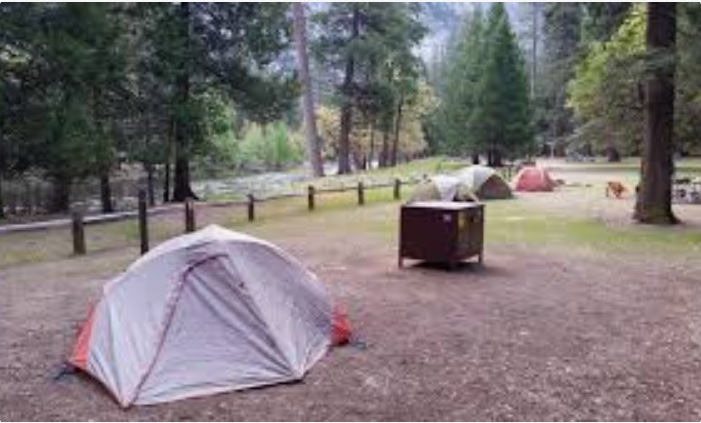
Lower Pines is one of three Pines campgrounds strung along the Merced River on the floor of Yosemite Valley, and it is among the hardest reservations to get in the National Park System. The question of whether you can pitch a tent there has a simple answer, and the question of how you actually secure a site has a much more interesting one.
Yes, you can tent camp in Lower Pines. It is a standard Yosemite Valley campground that accepts tents alongside RVs and trailers rather than being restricted to either, and the National Park Service lists it with 74 sites including 5 accessible sites, tap water, and an elevation of around 4,000 feet. It operates seasonally rather than year round, with 2026 dates listed tentatively as April 21 to October 19, and reservations are released five months ahead on the 15th of each month at 7 am Pacific. The park warns that non-lottery reservations sell out within minutes.
In short: yes, it takes tents, it is seasonal, and the reservation is the hard part rather than the camping.
Everything in this article that comes from the Yosemite park pages was accurate when written, and campground details are among the fastest-changing information in outdoor writing. Opening dates are published tentatively, closures happen, and fees change. Check the park pages for your actual travel dates before planning around anything here.
Below: what Lower Pines actually offers, how the reservation system works and why it is so competitive, the rules you will be held to on site, how it compares with the other Valley campgrounds, and what to do if you cannot get a site.
Key Takeaways
- Lower Pines accepts tents; it is a standard campground rather than RV-only or tent-only.
- The park lists 74 sites, 5 of them accessible, with tap water, at around 4,000 feet elevation.
- It is seasonal, listed tentatively for 2026 as open April 21 to October 19.
- Reservations release five months ahead on the 15th at 7 am Pacific and sell out within minutes.
- There are no electrical, water or sewer hookups anywhere in Yosemite.
- Campfires in Yosemite Valley campgrounds are allowed only between 5 pm and 10 pm.
- Food cannot be stored in a tent, and food storage rules are strictly enforced.
What to Bring to a Yosemite Valley Pitch
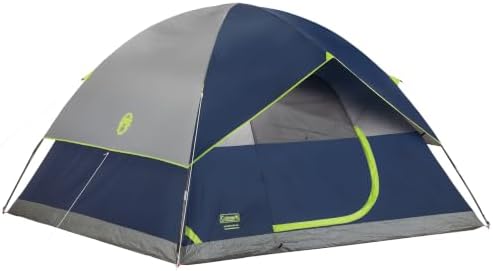
Lower Pines is a drive-in campground with tap water and no hookups, at modest elevation but with cold nights well outside midsummer. The list below reflects those conditions rather than a generic camping checklist.
Food storage is the rule that catches visitors out most often in Yosemite. Lockers are provided at campsites, and nothing scented belongs in a tent at any time.


What Lower Pines Actually Offers
Lower Pines sits on the floor of Yosemite Valley at around 4,000 feet, alongside Upper Pines and North Pines. The park lists it with 74 sites, five of which are accessible for people with disabilities, and tap water available at the campground.
It is a standard campground rather than a tent-only or RV-only one, which answers the original question directly. Sites take tents, RVs and trailers, with maximum RV length listed at 40 feet and trailer length at 35 feet, although the park notes only a small number of sites across the Valley accommodate equipment that large.
What it does not offer is hookups. The Yosemite campground pages state plainly that electrical, water and sewer hookups are not available anywhere in the park, with dump stations at Upper Pines year round and at two other locations seasonally. Tent campers will not notice; RV visitors should plan for it.
| Detail | What the park lists |
|---|---|
| Location | Yosemite Valley, alongside Upper and North Pines |
| Season | Tentatively April 21 to October 19 for 2026 |
| Elevation | Around 4,000 feet |
| Sites | 74 total, including 5 accessible sites |
| Water | Tap water available |
| Hookups | None anywhere in Yosemite |
| Max RV and trailer length | 40 feet RV, 35 feet trailer |
| Reservations | Five months ahead, on the 15th of the month |
The Reservation Is the Hard Part
Securing a site is genuinely more difficult than anything about the camping itself. Lower Pines releases on the five month window, with reservations for a given arrival date opening on the 15th of the month five months prior, at 7 am Pacific time.
The park does not understate the competition. Its guidance says all non-lottery reservations are released at 7 am Pacific and sell out within minutes, and it specifically advises making sure your clock is set accurately and being logged in and ready at Recreation.gov before the release.
- Work out your release date. Reservations open five months ahead on the 15th of each month. Count back from your arrival date to find which release date covers it.
- Create and verify your account early. Set up a Recreation.gov account well in advance and confirm the login works. The release is not the moment to discover a password problem.
- Set your clock accurately. The park specifically advises making sure your clock is set accurately, because the release is at 7 am Pacific and sites go within minutes.
- Be logged in and ready before 7 am Pacific. Have the campground page open and be logged in before the release rather than navigating to it afterwards.
- Know your dates and flexibility in advance. Decide your acceptable date ranges beforehand. Searching while the clock runs costs you the sites you could have had.
- Have backup campgrounds ready. Upper Pines, North Pines and the campgrounds outside the Valley all release on different schedules. Know which you would accept.
- Keep checking for cancellations. The park suggests watching for cancellations if you miss the release. Plans change and sites reappear, often close to the date.
- Confirm dates and alerts before travelling. Opening dates are published tentatively and conditions change. Check the park pages again shortly before you travel.
The Rules You Will Be Held To
Yosemite enforces several campground rules more tightly than visitors expect, and two in particular catch people out. The first is campfire hours. Campfires are allowed in a fire ring and when attended, but in Yosemite Valley campgrounds they are permitted only between 5 pm and 10 pm.
The park gives the reasoning rather than just the rule. Emissions from campfires degrade air quality in and near campgrounds, particularly at night and in early morning when inversions trap fine particles near the ground, which can create conditions that are unhealthy for sensitive individuals. The park suggests minimising fire use or skipping it.
Generator hours are the second, and they apply across Yosemite campgrounds: generator use is allowed only between 7 am and 9 am, noon and 2 pm, and 5 pm to 7 pm, and is not permitted at any other time. For tent campers nearby, that is a rule worth knowing exists.
| Rule | What applies | Why it matters |
|---|---|---|
| Campfire hours | 5 pm to 10 pm in Valley campgrounds | Air quality; inversions trap smoke at night |
| Generator hours | 7 to 9 am, noon to 2 pm, 5 to 7 pm only | Quiet enjoyment across the campground |
| Food storage | Nothing scented left in a tent, ever | Wildlife habituation, strictly enforced |
| Sleeping in vehicles | Only in a campsite you have registered for | Not permitted in car parks or roadsides |
| Hookups | None available anywhere in the park | Plan power and water accordingly |
| Reservations | Required in season; sites sell out in minutes | Turning up without one is not a plan |
Lower Pines Compared With the Other Valley Campgrounds
Three campgrounds sit together on the Valley floor and a fourth is nearby, and the differences between them matter more than their proximity suggests. Upper Pines is the largest and the only Valley campground open all year, listed at 236 sites.
North Pines is comparable in size to Lower Pines at 81 sites and operates on a similar seasonal window, though the park lists it as available by lottery or on the five month release. Camp 4 is the outlier: walk-in and tents only with no RVs or trailers, priced per person rather than per site, open all year, released one week ahead, and with pets not allowed.
| Campground | Season | Sites | Takes RVs? | Reservation window |
|---|---|---|---|---|
| Upper Pines | All year | 236 | Yes, up to 35 ft | Five months ahead on the 15th |
| Lower Pines | Tentatively Apr 21 to Oct 19 | 74 | Yes, up to 40 ft | Five months ahead on the 15th |
| North Pines | Tentatively Apr 21 to Oct 26 | 81 | Yes, up to 40 ft | Lottery or five months ahead |
| Camp 4 | All year | 61 | No, walk-in and tents only | One week ahead in season |
For a tent camper with a car, Lower Pines and North Pines are close substitutes and Upper Pines offers far more sites and a longer season. Camp 4 is the cheapest and most tent-focused option and comes with real trade-offs: walking your gear in, no pets, and a shorter booking window that rewards flexibility.
The question of pitching a tent on a site that also takes RVs comes up across the park system: see using a tent on an RV site in a national park.
If You Cannot Get a Site
Missing the release is the normal outcome rather than bad luck, so it is worth having a plan. The park suggests two routes: trying a first-come, first-served campground, which it notes is an option from autumn through spring, or watching for cancellations.
Cancellations are more productive than people expect, because plans change and sites reappear throughout the months before a date. Checking regularly rather than once is the approach, particularly in the weeks immediately before travel when people firm up arrangements.
Campgrounds outside the Valley are the other option and are frequently overlooked. Several operate on two week rolling windows rather than the five month release, which means they are available to people planning on a shorter horizon, at the cost of a drive into the Valley each day.
Do
- Check current opening dates and alerts before planning around a season
- Be logged in and ready before 7 am Pacific on the release date
- Have backup campgrounds and date ranges decided in advance
- Use the food lockers provided and keep nothing scented in the tent
- Plan for no hookups of any kind anywhere in the park
- Keep campfires to the permitted hours, or skip them entirely
Don’t
- Do not assume you can turn up without a reservation in season
- Do not sleep in a vehicle outside a campsite you have registered for
- Do not store food, rubbish or toiletries in your tent
- Do not run a generator outside the permitted hours
- Do not light a campfire outside the 5 pm to 10 pm Valley window
- Do not rely on dates quoted in any article, including this one
Camping at 4,000 Feet in the Valley
Yosemite Valley is lower than most of the park, which makes it the mildest place to camp there and still colder at night than many visitors expect. At around 4,000 feet, spring and autumn nights drop sharply after sunset even when days have been warm.
That matters because Lower Pines operates in exactly the shoulder season where this bites, opening in April and closing in October. A sleeping bag chosen for the daytime temperature leaves people cold at three in the morning, and an insulated mat matters more than any extra blanket.
Wildlife is the other Valley characteristic worth preparing for. Yosemite has a long-running food storage programme because habituated animals become destructive and are ultimately destroyed, which is why the rules are enforced rather than suggested.
The general principles of keeping wildlife out of a campsite are covered in keeping wildlife out of your food, and the broader kit list in what to pack for tent camping.
Honest Limits
Everything attributed to the park here came from the Yosemite camping pages at the time of writing, and campground information changes constantly. Opening dates in particular are published tentatively, site counts are revised, and fees change between seasons.
Reservation systems also change. Release windows, lottery arrangements and which campgrounds use which system have all been revised in recent years, and the park adjusts them in response to demand and to conditions in the Valley.
We have not visited to verify conditions on the ground. The gear recommendations reflect the published characteristics of the site, principally its elevation, the lack of hookups and the food storage requirements, rather than testing anything there.
Stay Safe Out There
Food storage is the safety rule that matters most in Yosemite, and it protects wildlife as much as it protects you. Use the lockers provided, keep food out of sight in a hard-sided vehicle where that is permitted, and never leave anything scented in a tent, including toothpaste, sunscreen and rubbish.
Check current alerts and fire restrictions before travelling and again on arrival. Fire conditions in the Sierra change quickly, and campfire permissions can tighten between booking and arrival regardless of the published hours.
Plan for cold nights even in summer, and watch for signs of hypothermia in anyone underdressed after sunset: shivering they cannot control, clumsiness and confusion all mean getting into dry insulation and shelter rather than staying out by the fire ring.
Reservation details, opening dates, alerts and current conditions are published on the Yosemite campgrounds pages. Check before you go, because dates and rules change through the season.
Disclaimer: this article is general outdoor information, not official National Park Service guidance. Campground details, dates, fees and rules change, and you are responsible for decisions made on your trip. Check the park pages for your travel dates, ask a ranger when unsure, and seek professional medical help for any injury or symptom that concerns you.
Frequently Asked Questions
Can you tent camp in Lower Pines?
Yes. Lower Pines is a standard Yosemite Valley campground that takes tents alongside RVs and trailers rather than being restricted to either. The park lists 74 sites, five of them accessible, with tap water available.
When is Lower Pines open?
It is seasonal rather than year round, listed tentatively for 2026 as April 21 to October 19. Those dates are published tentatively and shift with conditions, so check the park pages for current opening and closing dates.
How do I get a reservation?
Reservations release five months ahead on the 15th of each month at 7 am Pacific through Recreation.gov. The park warns they sell out within minutes and advises being logged in and ready with an accurately set clock before the release.
How many sites does Lower Pines have?
The park lists 74 sites, including five accessible sites for people with disabilities. That makes it considerably smaller than Upper Pines, which is listed at 236 sites and is open all year.
Are there hookups at Lower Pines?
No. The park states that electrical, water and sewer hookups are not available anywhere in Yosemite. Dump stations exist at Upper Pines year round and at two other locations seasonally, and tap water is available at the campground.
Can I have a campfire?
Yes, in a fire ring and when attended, but in Yosemite Valley campgrounds only between 5 pm and 10 pm. The park notes campfire emissions degrade local air quality, particularly overnight, and suggests minimising fire use.
What are the food storage rules?
Strict and enforced. Food may be stored in hard-sided RVs and trailers with food out of sight and windows, doors and vents closed. It may not be stored in pop-up or tent trailers or soft-sided campers, and never in a tent.
Can I sleep in my car instead?
Only in a campsite you have registered for. The park states that sleeping in a vehicle is not allowed in Yosemite unless you are in a campsite you have reserved, which rules out car parks and roadsides.
What if I cannot get a Lower Pines reservation?
Watch for cancellations, which appear regularly as plans change, or consider campgrounds outside the Valley, several of which release on two week rolling windows. First-come, first-served options exist from autumn through spring.
How cold does it get at Lower Pines?
Colder than visitors expect. At around 4,000 feet, spring and autumn nights drop sharply after sunset even following warm days, and Lower Pines operates largely in that shoulder season. Bring a bag rated below the forecast low and an insulated mat.
The Bottom Line
Lower Pines takes tents, and the camping part of the question is straightforward. It is a standard Yosemite Valley campground at around 4,000 feet with 74 sites and tap water, open seasonally rather than year round, with no hookups anywhere in the park and campfires permitted only between 5 pm and 10 pm in Valley campgrounds.
The reservation is where the difficulty lives. Sites release five months ahead on the 15th at 7 am Pacific and the park says plainly that they sell out within minutes, so have an account ready, a clock that is accurate and your dates decided before the release opens. If you miss it, watch cancellations and look at campgrounds outside the Valley with shorter booking windows. And check the park pages for current dates and alerts before you travel, because tentative opening dates are exactly that.