
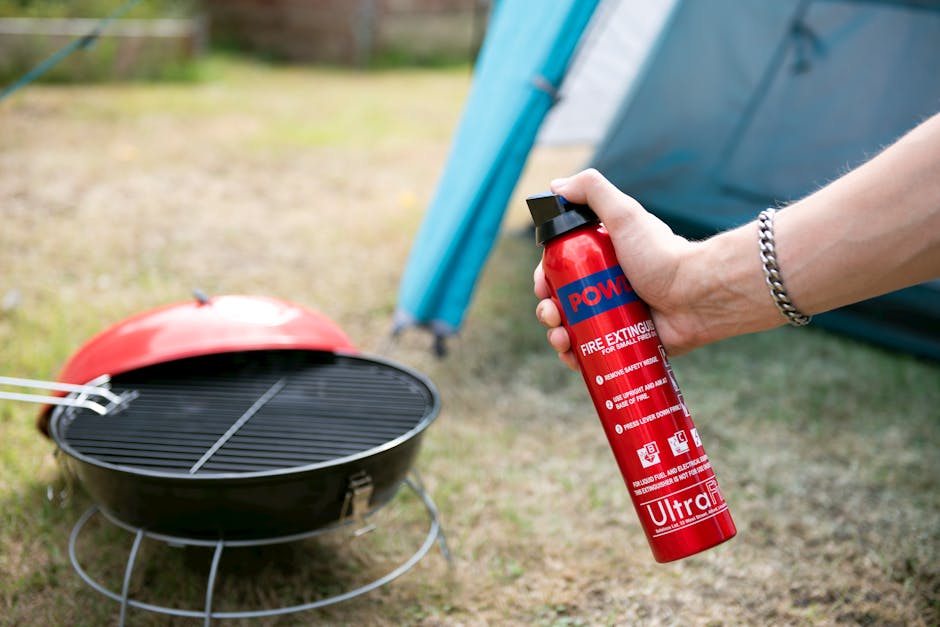
Anyone who has camped at a popular campground has a raccoon story, and they usually involve a cooler lid, a rustling noise at two in the morning, and a small animal that showed remarkably little fear. The word attack does a lot of work in this question, and separating what raccoons actually do from what people imagine is the useful part.
Raccoons do not attack tents in any meaningful sense, but they will absolutely damage them to reach food. A raccoon has dexterous front paws and the problem-solving ability to open latches, unzip partially closed zips and work at a weak point until it gives way. If it smells food inside a tent, it may tear through the fabric or mesh to reach it, which is destructive but is foraging rather than aggression. Raccoons generally avoid people and bite only when cornered, handled or sick. The damage is real; the attack framing is not.
In short: not aggression, just extremely capable foraging, and the fix is food storage rather than defence.
The National Park Service and other land managers consistently frame this as a food storage issue rather than a wildlife danger issue, asking campers to store food properly to keep wildlife wild. Animals that learn to associate campsites with food become bolder, more destructive and ultimately more likely to be destroyed.
Below: what raccoons actually do at a campsite, why they target tents, how to store food so they lose interest, what to do when one shows up, and the genuine health considerations that do deserve attention.
Key Takeaways
- Raccoons raid tents for food. They do not attack people and generally avoid confrontation.
- Dexterous front paws mean latches, zips and screw lids are not obstacles for long.
- A tent is a thin fabric container, so a determined raccoon simply goes through it.
- Anything scented counts, including toothpaste, sunscreen, lip balm and rubbish.
- Hard-sided containers, a locked vehicle or a food locker are what actually works.
- Never feed raccoons or leave food out deliberately, since habituated animals become destructive.
- Rabies and roundworm are real but rare risks, and both argue for distance rather than fear.
Food Storage That Actually Stops Them
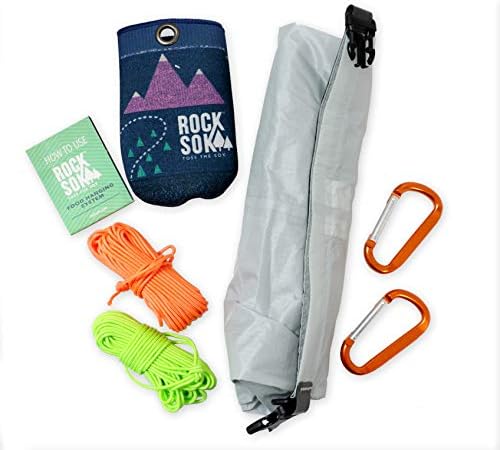
The entire problem is food access, so the solution is storage rather than deterrence. Hard-sided containers that a raccoon cannot open or chew through are the reliable answer; soft bags and coolers with simple latches are not.
A bear canister is overkill for raccoons alone but solves every food storage problem at once, which makes it a sensible purchase if you camp in areas with any wildlife pressure.



What Raccoons Actually Do at a Campsite
Raccoons are omnivorous, intelligent and extremely well adapted to living alongside people, which is why they thrive at campgrounds. They are nocturnal, they forage opportunistically, and in places where campers have been careless for years they have learned that tents and coolers are reliable food sources.
What they do is investigate. They work around a campsite checking anything that smells interesting, manipulate containers with their front paws, and persist considerably longer than most animals would. The behaviour that reads as boldness is usually habituation: generations of raccoons at a busy campground have learned that humans are not a threat.
What they do not do is attack people. A raccoon will flee from a person in almost every circumstance, and bites occur when an animal is cornered, handled, protecting young, or sick. The risk to you personally is low; the risk to your tent, cooler and food supply is considerable.
| Concern | Reality | What to do about it |
|---|---|---|
| Raccoon attacks a sleeping camper | Essentially does not happen | Nothing; store food and sleep normally |
| Raccoon tears through tent fabric | Happens, when food is inside | Never store food or scented items in the tent |
| Raccoon opens a cooler | Common; latches are not obstacles | Strap or lock the lid, or store in a vehicle |
| Raccoon takes food from a table overnight | Very common | Clear and clean up before sleeping |
| Raccoon gets into rubbish | Very common | Use wildlife-resistant bins or seal it in the car |
| Raccoon bites someone | Rare, usually when cornered or handled | Keep distance, never feed or approach |
Why a Tent Is Not Much of a Barrier
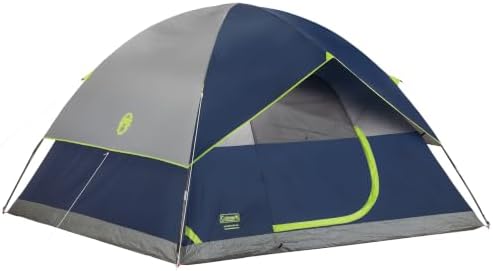
It helps to be honest about what a tent is. A thin layer of nylon or polyester with a zip, pitched over whatever is inside. It keeps out weather and insects, and that is the extent of its protective function. It is not a container in any security sense.
Raccoon front paws are the relevant detail. They have five dextrous digits with a highly developed sense of touch, which is why they manipulate objects so effectively and why latches, screw lids and partially closed zips present so little difficulty. A zip pull left within reach is a handle.
When manipulation fails, persistence and claws take over. Mesh panels tear easily, fabric gives at a seam or a stressed point, and the animal has all night. The damage is almost always at the point closest to whatever smelled interesting, which is the clearest evidence that this is foraging rather than anything else.
A torn panel is usually repairable with a fabric patch applied inside and out, in much the same way as other tent damage. Our guide to getting mildew out of a tent covers the repair and care side in more detail.
Storing Food So They Lose Interest
Everything useful here follows from one idea: a raccoon investigates smells, so anything that smells goes somewhere it cannot reach. The common mistake is categorising by what counts as food rather than by what has an odour.
Toothpaste, sunscreen, lip balm, insect repellent, deodorant, scented wipes, dog food and rubbish all qualify. So does the wrapper from the bar you ate on the drive in, and the pan you meant to wash in the morning. Raccoons do not distinguish between those and dinner.
- Treat every scented item as food. Food, rubbish, toothpaste, sunscreen, lip balm, deodorant and dog food all count. Raccoons investigate smells, not categories.
- Use hard-sided storage. A food locker where provided, a bear canister, or a locked vehicle. Soft bags, cardboard boxes and basic coolers are all openable or chewable.
- Secure cooler lids properly. If a cooler is your storage, strap or lock the lid. Raccoons open simple latches readily, and a cooler is otherwise a very obvious target.
- Never keep food in the tent. Food inside a tent gives a raccoon a reason to go through the fabric. A torn tent is a far more expensive problem than relocating a snack bar.
- Clean up immediately after eating. Wash dishes, wipe down surfaces and bag rubbish straight away rather than leaving it until morning. Smells spread while you sleep.
- Use the campground bins or carry rubbish out. Use wildlife-resistant bins where provided, and seal rubbish in your vehicle otherwise. A bin bag beside the tent is an invitation.
- Close the tent fully, every time. Zip doors and vestibules completely, including when you are nearby. A partially open zip is an entry point rather than an obstacle.
- Keep a light handy but do not confront. A headlamp lets you check what is outside. Noise and light usually move a raccoon along; cornering or approaching one does not.
What Works and What Does Not
A lot of folk remedies circulate for raccoon deterrence, and most of them do very little against an animal that is hungry, intelligent and habituated. Separating the effective from the hopeful saves effort and disappointment.
| Method | Does it work? | Notes |
|---|---|---|
| Hard-sided canister or food locker | Yes, reliably | Removes the reward entirely, which is the only real fix |
| Locked or strapped cooler | Largely yes | Defeats latch manipulation; chewing is still possible |
| Food in a locked vehicle | Yes, for raccoons | Not adequate where bear storage rules apply |
| Hanging food in a bag | Partially | Needs height and distance from the trunk; raccoons climb well |
| Ammonia, pepper or scent repellents | Unreliable | Habituated animals often ignore them; effects fade fast |
| Noise and light | Temporarily | Moves them along for a while; they return |
| Leaving food out to distract them | Actively harmful | Rewards the behaviour and habituates the animal further |
Do
- Store all food and scented items in hard-sided containers or a vehicle
- Strap or lock cooler lids rather than relying on latches
- Clean up and bag rubbish immediately after eating
- Zip the tent completely every time you leave it
- Follow any posted food storage rules, which may require a canister or locker
- Report aggressive or clearly sick animals to a ranger or camp host
Don’t
- Do not keep food, toothpaste or scented items in the tent
- Do not feed raccoons, deliberately or by leaving scraps
- Do not corner, approach, handle or try to photograph one up close
- Do not leave coolers out unsecured overnight
- Do not rely on scent repellents as your main strategy
- Do not leave rubbish bags beside the tent until morning
When One Shows Up at Night
The practical answer is undramatic. Most raccoon visits resolve themselves if there is nothing worth staying for. Noise from inside the tent, a light, or simply waiting usually moves the animal along, and the real outcome depends on whether you gave it a reason to persist.
What not to do is go outside and confront it. An animal that feels cornered is the scenario in which bites actually happen, and chasing a raccoon in the dark around guy lines and tent pegs is a reliable way to injure yourself rather than the raccoon.
If one is already inside a tent or a vehicle, open an exit and give it a clear route out, then stand well back. Raccoons leave when leaving is easy. Blocking the only exit while shouting creates exactly the cornered animal you want to avoid.
The Health Risks Worth Knowing
There are genuine health considerations, and they are worth stating accurately rather than either dismissing or exaggerating. Raccoons can carry rabies, and in parts of North America they are a significant wildlife reservoir for it. Any bite or scratch from a raccoon needs prompt medical attention.
Raccoon roundworm is the other, and it is transmitted through contact with raccoon faeces rather than through the animal itself. Latrine sites, often at the base of trees or on raised surfaces, should not be disturbed, and that is a reason to avoid pitching a tent at a spot with obvious animal droppings.
Both of these argue for the same behaviour: keep your distance, never handle a raccoon, do not let children or pets approach one, and wash hands properly if you have been handling anything a raccoon has been into. None of them argue for fear of camping in raccoon country, which is most of it.
For general campsite setup and kit, see what to pack for tent camping, and where to tent camp for free covers dispersed sites where food storage matters even more because there are no lockers.
Honest Limits
Raccoon behaviour varies with how habituated the local population is. Animals at a busy campground that has fed them for decades behave very differently from those in an area with little human contact, and advice calibrated for one does not transfer neatly to the other.
Local food storage rules also vary and take precedence over general guidance. Areas with bear activity frequently require approved canisters or lockers and specifically prohibit vehicle storage, which changes the answer entirely even though the raccoon advice would be different.
We have also not tested these products against raccoons. The storage recommendations reflect what the products are designed to resist and the general principle that hard-sided containers defeat manipulation, rather than controlled comparison in the field.
Stay Safe Out There
Any bite or scratch from a raccoon or any wild mammal needs prompt medical attention. Wash the wound thoroughly with soap and running water, and seek medical help straight away rather than waiting to see how it develops. Rabies is preventable after exposure but not treatable once symptoms appear.
Keep pets leashed and their food stored exactly as you store your own. Dog food left out overnight is one of the most common reasons raccoons move into a campsite, and a confrontation between a dog and a cornered raccoon goes badly for both.
Follow posted food storage requirements wherever you camp, because they exist for the local conditions rather than as general advice. Where lockers are provided, use them. Where canisters are required, carry one. Habituated wildlife is frequently destroyed, which is the outcome careless food storage ultimately produces.
Land managers publish wildlife and food storage guidance for each area, and the National Park Service updates its campsite guidance as conditions change. Check the rules for your specific destination before you travel.
Disclaimer: this article is general outdoor information, not medical or wildlife management advice. Local conditions, regulations and animal behaviour vary, and you are responsible for decisions made on your trip. Follow posted rules, ask a ranger when unsure, and seek professional medical help immediately for any bite or scratch.
Frequently Asked Questions
Do raccoons attack tents?
Not in the sense of aggression. They raid tents for food, and will tear fabric or mesh to reach it. The damage is real but the motivation is foraging. Raccoons avoid people and bite only when cornered, handled or sick.
Will a raccoon attack me while I sleep?
Essentially no. Raccoons flee from people in almost all circumstances. The realistic risk is to your tent, cooler and food supply rather than to you, which is why food storage rather than defence is the thing to focus on.
Can a raccoon get into a zipped tent?
Yes, if there is a reason to. They open partially closed zips with their paws and tear mesh or fabric where manipulation fails. A fully closed tent with no food inside is rarely worth the effort to them.
What attracts raccoons to a campsite?
Any smell worth investigating. Food and rubbish obviously, but also toothpaste, sunscreen, lip balm, insect repellent, scented wipes and dog food. Raccoons investigate odours rather than distinguishing between categories of item.
How do I stop raccoons getting my food?
Hard-sided storage they cannot open: a food locker where provided, a bear canister, or a locked vehicle. Strap or lock cooler lids. Clean up immediately after eating and bag rubbish rather than leaving it out.
Do raccoon repellents work?
Not reliably. Ammonia, pepper and commercial scent repellents are inconsistent against habituated animals and wear off quickly. Removing the reward through proper storage is the only approach that works dependably.
What should I do if a raccoon is in my tent?
Open an exit, give it a clear route out, and stand well back. Do not corner it, chase it or block the only way out. Raccoons leave readily when leaving is easy, and cornering one is how bites happen.
Are raccoons dangerous to pets?
They can be if a confrontation occurs, and dogs are often the instigator. Keep pets leashed, store their food exactly as you store your own, and do not let a dog pursue a raccoon, which ends badly for both animals.
Do raccoons carry rabies?
They can, and in parts of North America they are a notable wildlife reservoir. Any bite or scratch needs washing thoroughly and prompt medical attention. Raccoon roundworm, spread through faeces, is a separate reason to avoid latrine sites.
Should I just leave food out to keep them away from my tent?
No, and this is actively harmful. Feeding rewards the behaviour, habituates the animal further and makes it bolder with the next campers. Habituated wildlife is frequently destroyed as a result.
The Bottom Line
Raccoons do not attack tents, they raid them, and the distinction matters because it tells you what to do. An animal with dexterous paws, real problem-solving ability and all night to work on it is not deterred by a zip or a cooler latch, and if something inside your tent smells worth reaching, the fabric is not much of an obstacle. None of that is aggression, and the risk to you personally is very low.
The entire solution is storage. Put food, rubbish and every scented item into something hard-sided, a food locker, a canister or a locked vehicle, strap cooler lids, clean up before bed and never keep anything smelling interesting in the tent. Follow the posted rules where they are stricter, because areas with bear activity have different requirements. Do that, and the raccoon walks through your campsite, finds nothing, and moves on, which is the outcome everyone including the raccoon is better off with.