
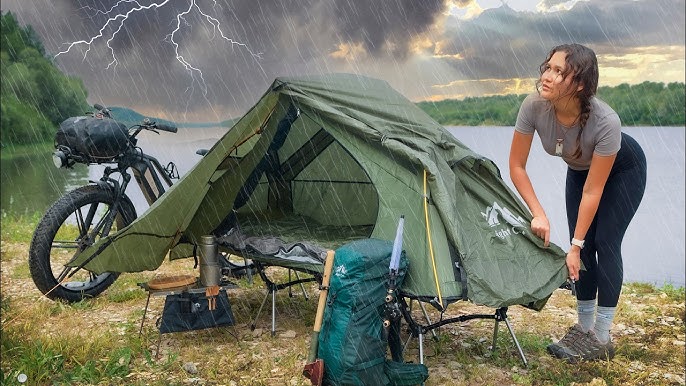
Lying in a tent while thunder rolls overhead is one of the more memorable camping experiences, and most people come through it fine. That does not make it safe, and the gap between usually fine and actually safe is where this question deserves a direct answer rather than reassurance.
A tent provides no protection from lightning whatsoever. The National Weather Service is explicit that tents and open-sided picnic shelters are not safe places during lightning, and advises going to a vehicle instead, then waiting 30 minutes after the last rumble of thunder before returning. A hard-topped vehicle protects you because its metal shell conducts current around the occupants; a tent has no conductive shell, and its poles are often the tallest metal objects on a pitch. Rain, wind and flooding are separate hazards that a good tent does handle, but lightning is not one of them.
In short: no, a tent is not safe in a thunderstorm. Get to a vehicle or a substantial building and wait it out.
The National Weather Service guidance for camping is specific on this point: if you hear thunder while at a campsite with a tent and a picnic shelter nearby and your vehicle a quarter of a mile away, you go to the vehicle. The tent and the shelter are both named as unsafe.
Below: why a tent offers no protection, what counts as safe shelter, the 30 minute rule, what to do when nothing safe is reachable, and the storm hazards that are not lightning.
Key Takeaways
- A tent provides zero lightning protection, and tent poles are often the tallest metal nearby.
- The National Weather Service names tents and open-sided shelters as not safe places.
- A hard-topped vehicle with the windows up is safe shelter; a convertible or open cab is not.
- Wait 30 minutes after the last thunder before returning to the campsite.
- If you can hear thunder, you are already within range of a strike.
- In mountains, storms typically build in the early afternoon, so plan to be down by noon.
- Rain, wind and flash flooding are separate hazards that need separate planning.
Gear for Storms You Cannot Avoid
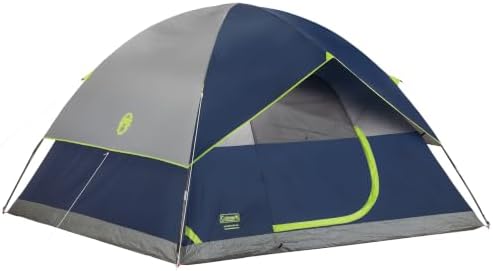
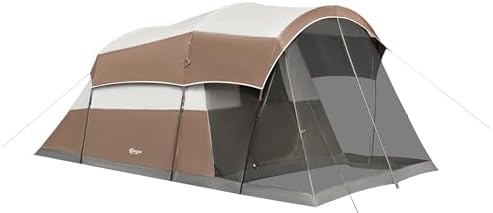
No product makes a tent safe in lightning. What gear does is keep you dry, keep you warm afterwards, and keep you informed enough to leave before a storm arrives.
A tent that handles wind and rain well is worth having for the other hazards, and a weather radio or forecast you checked before setting out is worth more than any of it.


Why a Tent Offers No Protection
A vehicle protects you from lightning because of its metal shell, not its rubber tyres. Current from a strike travels around the outside of a conductive enclosure and into the ground, leaving the space inside largely unaffected. That is the principle, and it depends entirely on having a conductive shell.
A tent has none. Nylon and polyester are insulators, the structure is open at the base, and there is nothing to carry current around you. Worse, aluminium tent poles are conductive and frequently the tallest metal object on an open pitch, which is not a position you want to be lying inside.
Ground current is the other mechanism, and it is what injures most people struck indirectly. When lightning hits the ground, current spreads outward through the soil, and anyone lying on that ground has a large surface in contact with it. Lying down in a tent is close to the worst body position for this.
What Counts as Safe Shelter
There are only two categories of genuinely safe shelter: a substantial enclosed building with wiring and plumbing, and a hard-topped vehicle with the windows closed. Everything else that feels like shelter is not, and the list of things that do not count surprises people.
Open-sided picnic shelters, dugouts, bus stops, beach shelters, porches and tents are all named or implied as unsafe in National Weather Service guidance. They keep rain off, which creates a false sense of protection, and they do nothing about lightning at all.
| Location | Safe? | Why |
|---|---|---|
| Hard-topped vehicle, windows up | Yes | Metal shell conducts current around occupants |
| Substantial building with wiring and plumbing | Yes | Current is carried to ground through the structure |
| Toilet or shower block | Usually yes | Enclosed, with plumbing and often wiring |
| Tent | No | No conductive shell; poles may be the tallest metal nearby |
| Open-sided picnic shelter | No | Named as unsafe; a roof is not protection |
| Convertible or open cab vehicle | No | No closed metal shell |
| Under a tall isolated tree | No, dangerous | A preferred strike point, plus side flash risk |
| Lying flat on open ground | No, dangerous | Maximum contact area for ground current |
This is why the practical camping advice is to park sensibly. A vehicle a quarter of a mile away at the trailhead is still the right answer, and knowing where it is before a storm arrives is worth more than any gear decision.
The Thirty Minute Rule
Thunder is the audible indicator that lightning is within range, which is the basis of the standard advice: when thunder roars, go indoors. If you can hear it at all, you are close enough to be struck, and the storm does not need to be overhead.
The return rule matters just as much and is more often ignored. The National Weather Service advises waiting 30 minutes after the last rumble of thunder before going back to the campsite. Storms trail strikes behind them, and the rain stopping is not the signal people treat it as.
In mountain terrain there is a timing pattern worth planning around. Thunderstorms typically build in the early afternoon, which is why the long-standing advice is to hike early and be off summits and ridges by around midday rather than planning to react to a storm when it arrives.
Open ground is the worst place to be caught, which is one reason beaches need extra thought in unsettled weather: see tent camping on the beach.
When No Safe Shelter Exists
In the backcountry there may genuinely be no vehicle and no building within reach, and it is worth being honest about this situation: there is no safe option, only less bad ones. The National Weather Service is clear that these measures slightly lessen the threat and do not make you safe.
The principles are to avoid being the tallest thing around, to avoid isolated tall objects, and to minimise contact with the ground and with conductors. That means getting off ridges, summits and open fields, away from lone trees, metal fences and water, and into lower ground or uniform forest if available.
- Act on the first thunder you hear. If you can hear thunder, you are already within range of a strike. Do not wait for rain or for the storm to look closer before moving.
- Go to a hard-topped vehicle. A car, van or truck with a metal roof and the windows up is safe shelter. Do not touch metal surfaces inside, and do not shelter in a convertible or an open cab.
- Use a substantial building if there is one. A fully enclosed building with wiring and plumbing is the best option. Toilet blocks usually qualify; open-sided picnic shelters and dugouts do not.
- Leave the tent where it is. Do not spend time striking camp. Gear can be replaced and a wet tent is a minor problem. Take keys, a headlamp and a phone, and go.
- Avoid the obvious conductors on the way. Stay off ridges and summits, away from isolated tall trees, metal fences, flagpoles and water, and do not cross open ground if you can route around it.
- Spread the group out if you are walking. Keep several metres between people while moving to shelter, so a single strike cannot injure everyone at once.
- Wait 30 minutes after the last thunder. Storms can produce strikes well after the rain stops. The National Weather Service advises waiting 30 minutes after the final rumble before returning.
- Check the pitch before settling back in. Look for water pooling, a sagging or damaged tent, and branches brought down nearby before getting back into a tent for the night.
The Hazards That Are Not Lightning
Lightning dominates the question, but most storm damage to campers comes from the other three hazards, and a tent does help with two of them. Wind, rain and flash flooding all have practical answers that lightning does not.
Wind is the main structural threat to a tent. A well-pitched low-profile tent with every guy line used handles a great deal; a tall cabin tent pitched broadside with half its guys unused does not. Orientation and guying are decisions made hours before the storm.
Flash flooding is the hazard that kills campers in numbers and gets the least attention. Pitching in a dry wash, a gully, a hollow or the lowest part of a field is the mistake, and the water arrives from rain that may have fallen miles upstream rather than on you.
| Hazard | Does a tent help? | What actually helps |
|---|---|---|
| Lightning | No, not at all | A hard-topped vehicle or substantial building |
| Wind | Yes, if pitched well | Low profile, end into the wind, every guy line used |
| Rain | Yes | Taped fly, sealed seams, pitched off low ground |
| Flash flooding | No | Pitch choice: never in a wash, gully or hollow |
| Falling branches | No | Pitch choice: check what is overhead before setting up |
| Hail | Partly | A vehicle if you can reach one; expect fabric damage |
Planning So It Does Not Come to This
Most thunderstorm situations at a campsite are foreseeable. Forecasts are good at predicting storm risk by day even when they cannot pin the timing, and mountain afternoon storms are close to routine in summer in many ranges.
The useful planning decisions happen when you choose the pitch. Not the lowest point of the field, not under the tallest tree, not on an exposed ridge, within a known distance of the vehicle, and with the tent oriented and guyed for the wind you might get rather than the wind you have.
Do
- Check the forecast before you travel and again on arrival
- Identify your safe shelter when you pitch, not when thunder starts
- Move to a hard-topped vehicle or building at the first thunder
- Wait 30 minutes after the last thunder before returning
- Pitch away from gullies, washes, hollows and isolated tall trees
- Guy the tent out fully for wind, whatever the evening looks like
Don’t
- Do not treat a tent as shelter from lightning
- Do not shelter under an open-sided picnic shelter or a lone tree
- Do not lie flat on the ground during a storm
- Do not waste time packing up the tent before moving to safety
- Do not pitch in a dry wash or the lowest point of a site
- Do not assume the storm is over because the rain stopped
Pitch choice and tent design both matter here: see family camping tents worth considering for profiles that handle wind, and what to pack for tent camping for the rest of the kit.
Honest Limits
The uncomfortable fact behind this question is that most people who camp through thunderstorms are unharmed, which makes the advice feel disproportionate. Lightning strikes are rare events, and that rarity is exactly why people discount them until something happens.
The backcountry guidance is also genuinely unsatisfying, because there is no good answer when no shelter exists. Everything in that situation reduces risk marginally rather than removing it, and the National Weather Service says so plainly rather than offering false reassurance.
Conditions and terrain vary enormously too. Advice calibrated for an exposed alpine ridge is different from a wooded valley campground, and local knowledge about how storms behave in a particular range is worth more than general guidance including this.
Stay Safe Out There
Check the forecast before you travel and again on arrival, and treat a storm risk as a reason to think about where your shelter is rather than as a reason to cancel. In mountains, plan to be off high ground by early afternoon, when storms typically build.
If someone is struck, they carry no electrical charge and are safe to touch immediately. Call emergency services, begin CPR if they are unresponsive and not breathing normally, and continue until help arrives. Cardiac arrest is the main cause of death and prompt CPR saves lives.
Flash flooding deserves equal respect. Never camp in a dry wash or a narrow gully, move to higher ground immediately if water starts rising, and never attempt to cross moving water on foot or in a vehicle, which is how most flood deaths occur.
Lightning safety guidance for outdoor activities is published by the National Weather Service, including the specific camping scenario and the 30 minute rule. Local conditions and forecasts should always take precedence.
Disclaimer: this article is general outdoor information, not safety or medical advice. Weather, terrain and conditions vary and change rapidly, and you are responsible for decisions made on your trip. Follow official forecasts and warnings, and call emergency services immediately for any lightning strike or injury.
Frequently Asked Questions
Can you camp in a tent during a thunderstorm?
You can, but it is not safe. A tent offers no lightning protection at all. The National Weather Service names tents as unsafe places and advises moving to a hard-topped vehicle or substantial building instead.
Why is a tent not safe in lightning?
A vehicle protects you with its metal shell, which carries current around the occupants. A tent has no conductive shell, is open at the base, and its aluminium poles are frequently the tallest metal object on an open pitch.
Is a car safe during a thunderstorm?
A hard-topped vehicle with the windows up is safe, because of the metal shell rather than the tyres. Convertibles and open cabs are not. Avoid touching metal surfaces inside while the storm is overhead.
How long should I wait before going back to my tent?
Thirty minutes after the last rumble of thunder, which is the National Weather Service recommendation. Storms trail strikes behind them, and rain stopping is not a reliable indicator that the danger has passed.
Should I lie down flat in my tent?
No. Older advice to lie flat has been withdrawn, because ground current spreads through soil after a strike and a prone body presents the largest possible contact area. Move to real shelter instead.
What if my vehicle is far away?
Go anyway if it is reachable. The National Weather Service camping scenario specifically describes a vehicle a quarter of a mile away as the right choice over a nearby tent or picnic shelter.
What should I do if there is no shelter at all?
Reduce risk rather than eliminate it. Get off ridges and summits, away from isolated tall trees, metal and water, into lower ground or uniform forest, and spread the group out so one strike cannot injure everyone.
Are picnic shelters safe?
No. Open-sided shelters keep rain off and offer no lightning protection, and the National Weather Service names them specifically as unsafe. The same applies to dugouts, porches and beach shelters.
Is flash flooding a bigger risk than lightning?
In terms of camper deaths, flooding is a major hazard and gets far less attention. Never pitch in a dry wash, gully or hollow, and remember that floodwater can arrive from rain that fell miles upstream.
How do I help someone struck by lightning?
They carry no charge and are safe to touch immediately. Call emergency services and begin CPR if they are unresponsive and not breathing normally. Cardiac arrest is the main cause of death and prompt CPR saves lives.
The Bottom Line
A tent keeps rain off you and does nothing whatsoever about lightning. The protection a vehicle offers comes from its metal shell carrying current around the occupants, and a tent has no equivalent, while its aluminium poles may be the tallest metal on the pitch. The National Weather Service names tents and open-sided shelters as unsafe and advises going to a hard-topped vehicle, even a quarter of a mile away, at the first thunder.
So the plan is made when you pitch rather than when the sky darkens. Know where your safe shelter is and how long it takes to reach, pitch away from gullies, hollows and isolated tall trees, and guy the tent out properly for the wind. Then move at the first rumble, leave the tent standing, and wait 30 minutes after the last thunder before going back. Most people get away with doing none of that, which is exactly why it is easy to skip.