
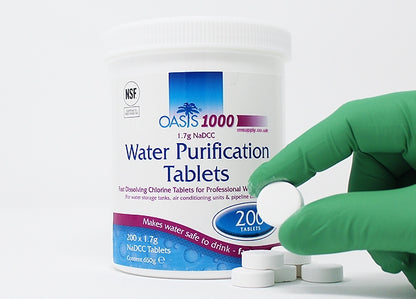
A water purification tablet is a small, unremarkable-looking disc that turns questionable water into something you can drink. What it contains is not obvious from the packet, and the differences between brands are not cosmetic. Two tablets that look identical can use completely different chemistry, work against different organisms, and need very different waiting times.
A water purification tablet contains an active disinfectant plus inert ingredients that keep it stable and make it dissolve properly. The three common actives are iodine, usually as tetraglycine hydroperiodide; sodium dichloroisocyanurate, which releases chlorine into the water; and sodium chlorite with an acid activator, which generates chlorine dioxide. Around that active sit binders, effervescent agents and anti-caking compounds that hold the tablet together in the bottle and break it apart in water. The active is what does the work; everything else exists so the dose is accurate and the tablet survives being carried around.
In short: one disinfectant doing the work, plus binders and effervescents that control how it dissolves and how long it keeps.
The CDC notes that chemical disinfection is less effective in cold or cloudy water, and the EPA makes the same point about turbidity, because suspended particles physically shield microorganisms from the disinfectant. Those two conditions change how well any of these ingredients perform, regardless of which one is in your tablet.
Below: what each active ingredient actually is, how it kills microorganisms, what the inert ingredients are for, how the three chemistries differ in practice, and what the ingredient list tells you about shelf life and taste.
Key Takeaways
- Every tablet is one active disinfectant plus inactive ingredients that control dissolution and stability.
- Iodine tablets usually use tetraglycine hydroperiodide, which releases iodine as the tablet dissolves.
- Sodium dichloroisocyanurate, often shortened to NaDCC, releases chlorine into the water.
- Chlorine dioxide systems use sodium chlorite plus an acid, which is why some come as two parts.
- Binders, effervescent agents and anti-caking compounds are inert and are not doing any disinfecting.
- The active ingredient determines contact time, taste and which organisms are covered.
- Ascorbic acid in a second tablet neutralises iodine taste, and must only be added after treatment is complete.
Water Treatment Products Worth Knowing
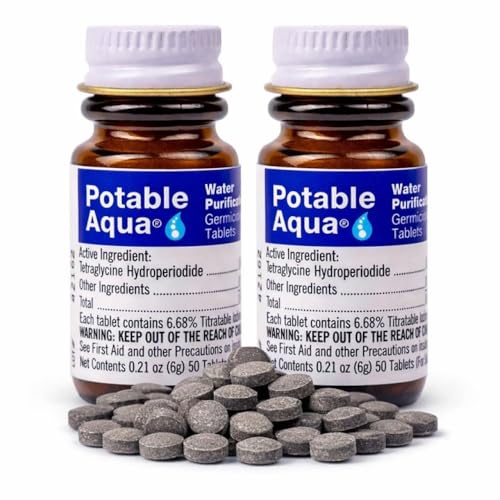
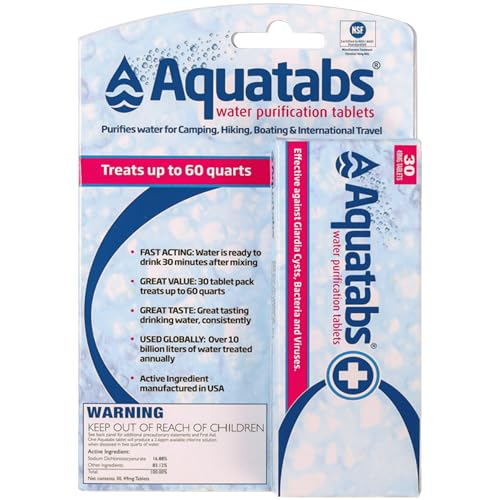
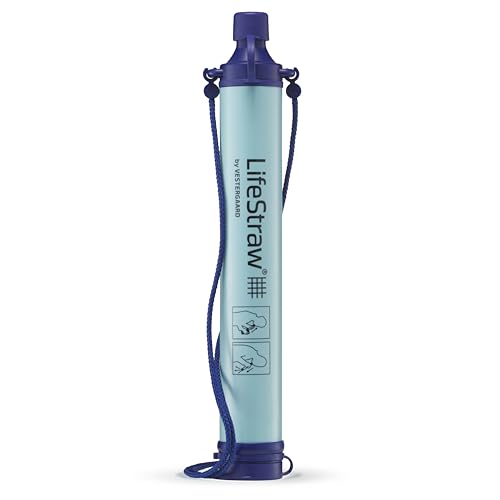
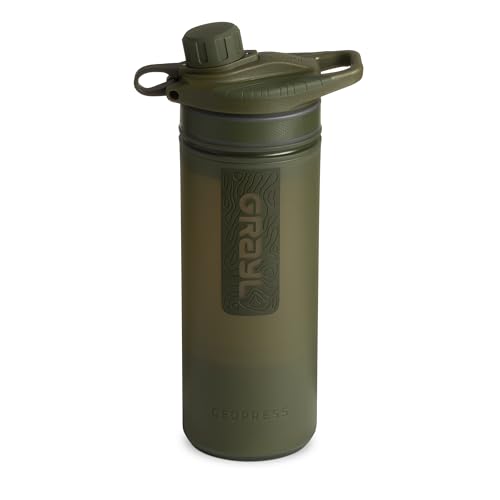
The products below cover the three tablet chemistries described in this article, plus filters for the situations where chemistry alone will not do the job. Reading the ingredient panel on any of them will now make considerably more sense.
We have deliberately excluded chlorine dioxide products sold as health supplements. They share a chemical name with legitimate water treatment but are a different and unsafe category.


The Active Ingredient Is the Whole Product
Everything a purification tablet does comes down to one compound. The rest of the formulation exists to deliver that compound into water at a predictable concentration, at a predictable speed, after sitting in a bottle for possibly several years.
Iodine tablets typically list tetraglycine hydroperiodide. That is a stable solid form of iodine, which matters because elemental iodine is awkward to carry and unstable. When the tablet dissolves, it releases iodine into the water, where it attacks microorganisms by disrupting their proteins and cell membranes.
Sodium dichloroisocyanurate, usually abbreviated to NaDCC, is a chlorine donor. In water it releases hypochlorous acid, the same active species produced when municipal supplies are chlorinated. It is cheap, fast, stable in tablet form, and the standard choice for treating large volumes.
Chlorine dioxide systems work differently again. Sodium chlorite is combined with an acid activator, and the reaction between them generates chlorine dioxide gas dissolved in the water. That is why some products come as two separate parts that you mix, and why others use a tablet that contains both components separated until it dissolves.
How Each Active Actually Kills Microorganisms
All three actives are oxidisers, which means they work by stripping electrons from the molecules that make up a microorganism. The practical difference is what they can get through. A bacterium has a relatively thin cell wall; a protozoan cyst such as Cryptosporidium has a tough, layered shell built specifically to survive harsh environments.
Iodine and chlorine both deal with bacteria and viruses quickly, because those targets have little structural defence against oxidation. Neither is reliably effective against Cryptosporidium at the concentrations used in field tablets, because the oxidiser is consumed before it penetrates the cyst wall.
Chlorine dioxide penetrates that shell, which is why it is the only common tablet chemistry rated against Cryptosporidium. The trade is time: the manufacturer contact time for that organism is typically up to four hours, against roughly thirty minutes for everything else.
| Active ingredient | Found in | Covers | Main limitation |
|---|---|---|---|
| Tetraglycine hydroperiodide | Iodine tablets | Bacteria, viruses, Giardia | Not reliable for Cryptosporidium, health restrictions |
| Sodium dichloroisocyanurate | Chlorine-releasing tablets | Bacteria, viruses, Giardia | Not reliable for Cryptosporidium, taste |
| Sodium chlorite plus acid | Chlorine dioxide tablets and drops | Bacteria, viruses, Giardia, Cryptosporidium | Up to four hours for full Crypto coverage |
| Ascorbic acid | Second-stage neutraliser tablets | Nothing; it removes iodine taste | Must be added only after treatment finishes |
What the Inert Ingredients Are Doing
The non-active portion of a tablet is usually the larger part by mass, and it is doing real work even though it does not disinfect. Binders hold the compressed powder together so the tablet survives being rattled around in a pack for a season without crumbling into dust.
Effervescent agents, typically a carbonate paired with an acid, produce gas when they hit water. That fizzing breaks the tablet apart from the inside rather than relying on the surface slowly eroding, which gets the active into solution quickly and evenly. A tablet that dissolved slowly would give you an uneven dose.
Anti-caking agents and desiccants keep moisture away from the active while the tablet sits in storage. This matters more than it sounds: moisture is the main thing that degrades these compounds, which is why opened bottles have a much shorter useful life than sealed ones and why individually foil-wrapped doses keep best.
| Component | Typical role | What happens without it |
|---|---|---|
| Binders | Hold the compressed powder together | Tablets crumble to dust in the bottle |
| Effervescent agents | Fizz on contact to break the tablet apart | Slow, uneven dissolving and an inconsistent dose |
| Anti-caking agents | Keep powder free-flowing during manufacture | Clumping and variable tablet weight |
| Desiccants and sealed packaging | Keep moisture away from the active | The active degrades long before the printed expiry |
| Ascorbic acid, in second-stage tablets | Neutralises iodine taste and colour | Treated water keeps a strong iodine flavour |
Reading a Label Properly
Once you know what the actives are called, a packet becomes far more informative. The ingredient line tells you the coverage, the dose line tells you the volume per tablet, and the contact time tells you how long to wait, which is the number most often ignored.
- Find the active ingredient. Look for tetraglycine hydroperiodide, sodium dichloroisocyanurate or sodium chlorite. That single line tells you more than the rest of the packaging combined.
- Check the dose per volume. Tablets are rated per litre or per quart. A 49mg tablet and an 8.5mg tablet are not interchangeable, and dosing by eye is the most common user error.
- Read the stated contact time. Note both the standard time and any longer time listed for Cryptosporidium, which can be several hours rather than thirty minutes.
- Look for temperature caveats. Most labels state a reference water temperature. Below that, disinfection slows, and you should extend the wait accordingly.
- Check for a second component. Two-part systems need both parts used in the right order. A neutraliser tablet must only go in after the full contact time.
- Note the expiry and opened life. Unopened shelf life is often years. Once opened, air reaches the tablets and the active degrades much faster.
- Check the health warnings. Iodine products carry restrictions for pregnancy, thyroid conditions and prolonged use. Those are on the label for a reason.
If you want the buying decision rather than the chemistry, we cover which water purification tablets to carry separately, and how chlorination works in water treatment goes deeper on the chlorine side.
Why the Ingredient Changes How You Use It
The practical consequences of the ingredient list are easy to miss. Contact time, taste, health restrictions and shelf life all follow from which active is in the tablet, which is why swapping brands without reading the packet causes problems.
Do
- Read the active ingredient before assuming a new brand works like your old one
- Dose by measured volume, since tablet strengths differ substantially
- Extend contact time in cold water, where the reaction slows
- Pre-filter cloudy water, because particles shield microorganisms from any active
- Store tablets sealed and dry, away from heat
- Replace opened bottles each season rather than trusting the printed expiry
Don’t
- Do not add an ascorbic acid neutraliser before the contact time ends
- Do not use iodine during pregnancy, with thyroid conditions, or for weeks on end
- Do not assume any tablet removes chemicals, metals or farm runoff
- Do not use crumbled, discoloured or damp tablets
- Do not mix two different treatment products in the same container
- Do not use chlorine dioxide products marketed as health supplements
What Is Not in the Tablet
Just as important as the ingredient list is what it does not contain. There is nothing in any of these tablets that removes chemical contamination. Pesticides, fertiliser runoff, heavy metals, fuel residues and mine drainage pass through chemical treatment entirely unaffected.
There is also nothing that removes sediment or improves clarity. A tablet dropped into cloudy water produces disinfected cloudy water at best, and in practice the suspended particles reduce how well the disinfection works at all. Physical removal, whether filtering or settling, has to happen first.
That is the honest boundary of what this product category does. It inactivates living organisms in reasonably clear water. For anything else, you need a filter, an activated carbon stage, or a different water source altogether.
Water treatment sits alongside the rest of the kit: see what to pack for tent camping for the wider list.
Honest Limits
Formulations differ between manufacturers and between products from the same manufacturer, and they change over time. The ingredient names in this article are the common ones, but the only authoritative list for the tablet in your hand is the one printed on its packaging.
Stated contact times also vary between manufacturers and between public health sources, because the right answer depends on water temperature, turbidity, dose and which organisms are plausibly present. Where a packet and a public health source disagree, follow the more cautious of the two.
We have not tested any of these products in a laboratory, and nothing here verifies a manufacturer efficacy claim. This article explains what the ingredients are and how they work; it is not an assessment of how well a specific brand performs.
Stay Safe Out There
Treat all backcountry surface water before drinking it, regardless of how clear it looks or how remote the source is. Clarity tells you nothing about microbial content, and an upstream animal or campsite you cannot see is the usual source of a problem.
Pay attention to the health restrictions on iodine products specifically. They are not suitable during pregnancy, for people with thyroid disorders or iodine allergies, or for continuous use over long periods. If any of those apply to you, chlorine dioxide avoids the issue entirely.
Symptoms of waterborne illness often appear days or weeks after a trip, which makes them easy to blame on something else. Persistent diarrhoea, cramping, nausea or fatigue after drinking from treated or untreated backcountry sources is worth mentioning to a doctor along with that context.
Public health guidance is published by the CDC, and the EPA publishes emergency disinfection guidance. Both are worth reading before a long trip, and local conditions may add their own advisories.
Disclaimer: this article is general information, not medical advice. Treatment effectiveness depends on water conditions, dose and timing, and you are responsible for the water you drink. Follow the instructions printed on the product, check current public health guidance, and seek professional medical help for any symptoms that concern you.
Frequently Asked Questions
What is the active ingredient in water purification tablets?
One of three: tetraglycine hydroperiodide, which releases iodine; sodium dichloroisocyanurate, which releases chlorine; or sodium chlorite with an acid activator, which generates chlorine dioxide. Everything else in the tablet is there to deliver that active reliably.
What is tetraglycine hydroperiodide?
A stable solid form of iodine used in tablets because elemental iodine is unstable and awkward to carry. When the tablet dissolves it releases iodine into the water, which attacks microorganisms by disrupting their proteins and cell membranes.
Are purification tablets just bleach in a tablet?
Chlorine-releasing tablets are chemically related. Sodium dichloroisocyanurate produces hypochlorous acid in water, the same active species as household bleach and municipal chlorination. It is a controlled, measured dose rather than a liquid you estimate.
What are the inactive ingredients for?
Binders hold the compressed powder together, effervescent agents break the tablet apart quickly so the dose is even, and anti-caking compounds keep moisture away during storage. None of them disinfect, but they determine accuracy and shelf life.
Why do some tablets come in two parts?
Chlorine dioxide has to be generated at the point of use by reacting sodium chlorite with an acid. Some products keep those separate as two bottles or two tablets. Separately, iodine systems use a second tablet of ascorbic acid to neutralise taste.
Does the second tablet purify anything?
No. In iodine systems the second tablet is usually ascorbic acid, which exists only to remove the taste and colour. Add it only after the full contact time, because adding it early chemically removes the iodine that is still working.
Which ingredient works against Cryptosporidium?
Chlorine dioxide, generated from sodium chlorite. Iodine and chlorine-releasing tablets are not reliably effective against it, because the cyst has a tough protective shell that those oxidisers are consumed before penetrating.
Do tablets remove chemicals or heavy metals?
No. Every ingredient in these tablets targets living organisms. Pesticides, fertiliser runoff, heavy metals and fuel residues pass straight through. Near farmland, industry or old mining, a different water source is the only reliable answer.
Why do tablets expire?
The active ingredients degrade on exposure to moisture, air and heat. Anti-caking agents and sealed packaging slow that down, which is why unopened bottles last years and opened ones do not. Individually foil-wrapped doses keep best of all.
Why does treated water taste of the tablet?
Because the active ingredient is still present in the water after treatment, by design. Iodine leaves the strongest taste, chlorine dioxide the mildest. A neutraliser tablet or a drink mix added after the contact time removes most of it.
The Bottom Line
A water purification tablet is one disinfectant plus the supporting cast that gets it into your bottle at the right dose. Learn the three active names and the packet stops being opaque: tetraglycine hydroperiodide means iodine, sodium dichloroisocyanurate means chlorine, and sodium chlorite with an acid means chlorine dioxide. That single line determines coverage, contact time, taste and whether the product is suitable for you.
The binders, effervescents and anti-caking agents are not padding either. They control how evenly the tablet dissolves and how long it stays potent in your pack. And the most useful thing the ingredient list tells you is what is absent: nothing in any of these tablets touches chemical pollution or sediment, which is why clear water and a pre-filter matter as much as the chemistry itself.