
The tent versus RV argument usually gets settled by whoever is shouting loudest in a campground forum. It deserves better than that, because the two are not really competing products. They solve different problems, and the right answer depends far more on your trips, your budget and your body than on which camp you want to belong to.
Tent camping beats an RV on four measurable things: upfront cost, running cost, where you are allowed to go, and how little can go wrong. A complete tent setup costs a few hundred dollars against tens of thousands, needs no insurance, registration, storage or winterising, and fits sites that an RV physically cannot reach. It also has almost no mechanical failure modes. An RV wins decisively on comfort in sustained bad weather, on accessibility for people who cannot easily sleep on the ground, and on long trips where setup time compounds night after night.
In short: tents win on cost, access and simplicity. RVs win on comfort, weather and accessibility.
The Forest Service puts a practical constraint behind this that most comparisons miss. Dispersed camping away from developed campgrounds is widely available on national forest land, subject to closures and stay limits, and much of it is reachable only by vehicles that can handle rough forest roads. That is a category of camping a large RV simply cannot enter.
Below: the real cost comparison, where each one can physically go, what the setup and maintenance burden actually looks like, the comfort and weather trade, who should choose which, and the cases where the tent argument genuinely falls apart.
Key Takeaways
- A full tent setup costs a few hundred dollars against tens of thousands for an RV, before running costs.
- RVs carry insurance, registration, storage, maintenance and winterising costs whether you use them or not.
- Tents reach dispersed sites, forest roads and walk-in pitches that RVs are physically excluded from.
- Fuel economy differences are substantial on long trips, and many campgrounds charge more for RV sites.
- An RV has dozens of mechanical failure modes; a tent has poles, zips and a fly.
- RVs win clearly on sustained bad weather, on cold, and for anyone who cannot sleep on the ground.
- The honest answer is trip-dependent, and plenty of people reasonably own neither or both.
A Tent Setup Worth Owning
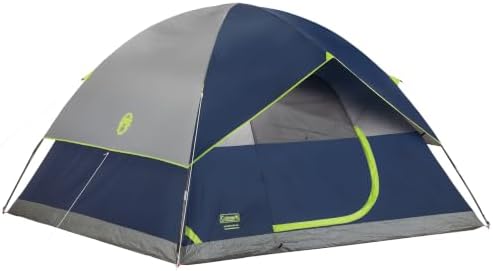
The argument for tent camping only holds if the kit is good enough that you enjoy the trip. The items below cover the four things that actually determine comfort in a tent: shelter, insulation, light and somewhere to sit.
Spend the most on sleep. A good bag and an insulated mat do more for how you feel the next morning than any other purchase in camping.


The Cost Comparison, Honestly Done
Most cost comparisons stop at the purchase price, which flatters the RV because that is where the gap is most obvious but least complete. The purchase price is only the beginning of RV ownership, and the ongoing costs continue whether or not you take a single trip.
A tent setup has effectively no fixed costs. It sits in a cupboard, costs nothing to keep, and depreciates slowly because there is not much to depreciate. An RV accrues insurance, registration, storage fees if it does not fit on your drive, routine maintenance, and winterising in cold climates, every year, regardless of use.
| Cost | Tent camping | RV |
|---|---|---|
| Initial outlay | Hundreds for a complete setup | Tens of thousands, new or used |
| Insurance | None | Annual, whether used or not |
| Registration and licensing | None | Annual, varies by state and size |
| Storage | A cupboard | Driveway if it fits, or paid storage |
| Maintenance | Occasional seam sealer and a zip repair | Engine, brakes, roof seals, appliances, tyres |
| Winterising | Dry it and put it away | Water system drain and antifreeze each year |
| Fuel on the road | Your normal vehicle economy | Substantially worse, especially on hills |
| Campground fees | Tent sites are usually the cheapest | Hookup sites typically cost more |
The fixed-cost structure is what makes usage frequency decisive. Spread across sixty nights a year, RV ownership starts to look reasonable. Spread across the eight nights many owners actually manage, the cost per night becomes difficult to defend against renting a cabin.
Where Each One Can Actually Go
This is the argument that cost comparisons cannot answer, and for a lot of people it settles the matter. A tent fits anywhere you can legally pitch it. An RV fits where the road is wide enough, the turning circle is adequate, the overhead clearance is sufficient and the site is long enough and level enough.
Dispersed camping on national forest land is the clearest example. The Forest Service notes that many people camp away from developed campgrounds by driving out on a forest road and pitching near a stream or a view, subject to closures, fire restrictions and stay limits. Those roads frequently rule out anything large.
Walk-in and hike-in sites extend that further, and they are often the quietest pitches in an otherwise busy campground. Within developed campgrounds, tent-only loops tend to be smaller, more sheltered and further from generator noise, which is a quality-of-experience difference rather than a cost one.
Setup, Pack Down and Things That Break
Pitching a tent takes between two and fifteen minutes depending on the design, and the entire failure surface is poles, zips, seams and a fly. Things do go wrong, but they are cheap, obvious and usually fixable on site with a repair sleeve and some tape.
An RV compresses setup into a different shape: levelling, hookups for power and water, stabilisers, slide-outs. Arguably faster once practised, and much faster in rain. The difference is what can fail. An RV is a vehicle and a building at once, with an engine, brakes, a roof that must stay sealed, plumbing that must not freeze, and appliances that must keep working.
That matters most when it happens far from home. A failed tent pole is a frustrating evening. A failed water pump or a leaking roof seal in a remote area is a trip-ending problem with a repair bill attached, and often a wait for parts.
- Count your actual nights per year. Be honest rather than aspirational. Fixed RV costs are spread across nights used, so ten nights a year and sixty nights a year produce completely different answers.
- Describe your typical trip. Weekends two hours from home and a six-week cross-country drive are different problems. Setup time matters enormously on one and barely at all on the other.
- Check where you actually want to camp. Look at the sites you want. If they are walk-in, dispersed or down a rough forest road, an RV cannot go there and the comparison is already over.
- Add up the real RV cost. Purchase price, insurance, registration, storage, maintenance, winterising and fuel. Divide by your honest nights per year to get a cost per night.
- Test your tolerance for sleeping on the ground. Borrow or rent a tent setup for two or three nights before dismissing it. A good mat changes this answer for most people.
- Factor in who you travel with. Children, pets, older relatives and anyone with mobility or medical needs shift the balance toward an RV considerably.
- Consider renting before buying either. Renting an RV for one trip costs a fraction of ownership and answers the question properly. The same applies to borrowing a full tent setup.
Where the RV Genuinely Wins
Any comparison that cannot name the other side honestly is not worth reading, so here it is. Sustained bad weather is the clearest case. Three days of rain in a tent is an endurance exercise, and three days of rain in an RV is a minor inconvenience with a kettle.
Cold is the second. A tent does not insulate, so cold weather camping depends entirely on your sleeping system and your tolerance. An RV has heating, which extends the usable season at both ends and makes winter trips accessible to people who would otherwise stay home.
Accessibility is the one that matters most and gets discussed least. Getting up from ground level is genuinely difficult or impossible for many people, and no amount of enthusiasm about connecting with nature changes that. For anyone with mobility limitations, back problems, or medical equipment that needs power, the RV is not a luxury, it is what makes the trip possible at all.
Do
- Choose a tent if you camp occasionally, locally, or want dispersed and walk-in sites
- Choose an RV if you travel for weeks at a time or camp in cold and wet seasons
- Choose an RV if sleeping on the ground is genuinely difficult for you or anyone with you
- Rent before buying either, since one trip answers the question cheaply
- Invest in a good sleeping mat whichever way you lean
- Check site restrictions before assuming a vehicle will fit
Don’t
- Do not buy an RV based on the trips you imagine rather than the ones you take
- Do not ignore the fixed annual costs when comparing
- Do not assume a tent means being cold and uncomfortable; that is a kit problem
- Do not dismiss an RV as inauthentic when it is what makes camping possible for someone
- Do not plan a dispersed forest road trip in a large rig
- Do not run any fuel-burning heater or stove inside a closed tent
Comfort Is a Kit Problem, Up to a Point
Most people who describe tent camping as miserable are describing bad equipment rather than tents. Sleeping badly on a thin foam pad in a cheap bag is miserable. Sleeping on a properly insulated mat in a bag rated for the actual temperature is, for most people, perfectly comfortable.
The mechanism people miss is ground conduction. The ground draws heat out of you far faster than cold air does, which is why insulation underneath matters more than blankets on top. An insulated mat with a decent R-value fixes more complaints about cold nights than anything else you can buy.
| Complaint | Usual cause | What fixes it |
|---|---|---|
| Cold all night | Thin mat letting the ground draw heat away | An insulated mat with a real R-value |
| Woke at first light | Light-coloured fly and an east-facing door | Blackout fabric, or orient the door away from sunrise |
| Wet inside with no rain | Condensation from breath and damp kit | Open vents at high and low points overnight |
| Sore back in the morning | Sleeping surface, not the tent | Thicker mat, or a camp cot if space allows |
| Nowhere comfortable to sit | No camp furniture | A proper camp chair, the cheapest comfort upgrade there is |
Where the kit argument runs out is weather duration and temperature extremes. No tent setup makes four consecutive days of cold rain pleasant, and below a certain temperature the margin for error narrows considerably. That boundary is real and worth respecting rather than arguing with.
If you are building a setup from scratch, see what to pack for tent camping and must-have tent camping items, and family camping tents worth considering if you are camping as a group.
Environmental Impact, Carefully
Tent camping has a lower footprint on the obvious measures. Manufacturing a tent uses a fraction of the materials of a vehicle, fuel consumption on the road is your normal car rather than a heavy rig, and there is no generator running at the campsite.
The qualification is that site impact depends on behaviour rather than on shelter type. A tent pitched on fragile vegetation at a new spot each night does more local damage than an RV parked on a hardstanding pitch. Using established sites, camping 100 feet from water and packing out everything matters regardless of what you sleep in.
It is also worth being honest that the comparison is rarely like for like. People who own RVs often travel further and stay longer, which changes the per-trip arithmetic in ways that a simple materials comparison misses. The environmental case for tents is real but should not be overstated.
Honest Limits
This article argues a position that the title commits it to, and it is worth naming that directly. Tent camping suits a particular pattern of trip, and plenty of experienced campers reach the opposite conclusion for perfectly sound reasons about their own circumstances.
Costs also vary enormously. A used pop-up trailer and a new motorhome are both RVs with completely different economics, and a budget tent setup and a premium one differ by an order of magnitude. The figures here are directional rather than a quote for your situation.
Finally, this is not a judgement on how anyone chooses to spend time outdoors. The accessibility point in particular deserves emphasis: for many people an RV is the difference between camping and not camping, and the idea that one form is more authentic than another does not survive contact with that reality.
Stay Safe Out There
Tent camping removes the walls between you and the weather, so planning carries more weight. Check the forecast before you travel and again on arrival, pick a pitch that is not the lowest point of the site, and look up for dead branches before you put the tent down.
Cold is the main hazard, and it is almost always a sleeping system problem rather than a tent problem. Insulate from the ground, carry more layers than you expect to need, and watch for uncontrollable shivering, clumsiness or confusion, which mean someone needs dry insulation and shelter immediately rather than another hour by the fire.
Rules, closures and fire restrictions vary by location and season. The National Park Service publishes guidance that is updated as conditions change, and rangers would far rather answer a question than respond to a problem.
Disclaimer: this article is general outdoor information, not safety, financial or medical advice. Costs, conditions and local rules vary, and you are responsible for decisions made on your trip. Check local rules, ask a ranger when you are unsure, and seek professional medical help for any symptom that concerns you.
Frequently Asked Questions
Is tent camping really cheaper than an RV?
Substantially, yes. A complete tent setup costs hundreds against tens of thousands, and it carries no insurance, registration, storage, maintenance or winterising costs. Those fixed RV costs continue whether you take a trip that year or not.
Can a tent go places an RV cannot?
Yes, and this is often the deciding factor. Dispersed sites down rough forest roads, walk-in pitches and tent-only loops are all closed to large vehicles. Many of the quietest campsites are reachable only on foot or in a normal car.
Is an RV more comfortable than a tent?
In sustained bad weather and in cold, clearly yes. In fair weather with good equipment the gap narrows a lot, because most complaints about tent comfort come down to a thin sleeping mat and a bag rated for the wrong temperature.
How many nights a year make an RV worth it?
There is no universal number, but the arithmetic is simple: divide your total annual RV costs by nights actually used. Owners who manage a handful of trips a year usually find the cost per night is higher than renting a cabin.
Which is better for families with young children?
It depends on the children and the weather. An RV gives you a bathroom, a fixed bed and somewhere dry during a rainy afternoon. A tent gives children more time outdoors and costs far less if family camping turns out not to stick.
Is tent camping safe in bad weather?
In ordinary rain and wind, yes, with a well-pitched tent and every guy line used. In severe weather the correct decision is to pack up and leave rather than to trust any tent beyond its design. That margin is smaller than in an RV.
What about camping in winter?
Possible in a tent with the right sleeping system, but it demands more knowledge and better kit. An RV with heating makes winter camping accessible to people who would otherwise not attempt it, which is a genuine advantage rather than a soft one.
Is tent camping better for the environment?
On manufacturing and fuel, yes, clearly. On site impact, behaviour matters more than shelter type. Using established pitches, camping away from water and packing out everything matters whether you sleep in nylon or in a vehicle.
Can I camp comfortably in a tent as I get older?
Many people do, usually by upgrading the sleeping system and choosing a tent with standing room. Getting up from ground level is the real limiting factor, and a cot or a thicker insulated mat addresses that for a while.
Should I rent an RV before buying one?
Almost always. One rental trip costs a small fraction of ownership and answers questions that no comparison article can, including whether you enjoy driving something that size and whether the trips you imagined are the trips you take.
The Bottom Line
Tent camping wins the arguments it should win. It costs a fraction as much to buy and effectively nothing to own, it reaches dispersed sites and walk-in pitches that an RV is physically excluded from, and it has almost nothing that can break expensively a long way from home. For weekend trips, for occasional campers, and for anyone who wants the quiet corners of a campground, it is the obvious choice.
It loses the arguments it should lose, too. Four days of cold rain, genuine winter conditions, and anyone for whom getting up off the ground is difficult are all cases where an RV is simply the better tool, and the accessibility point deserves more respect than it usually gets. Count your real nights per year, look honestly at where you want to camp and who you camp with, and rent before you buy either one.