
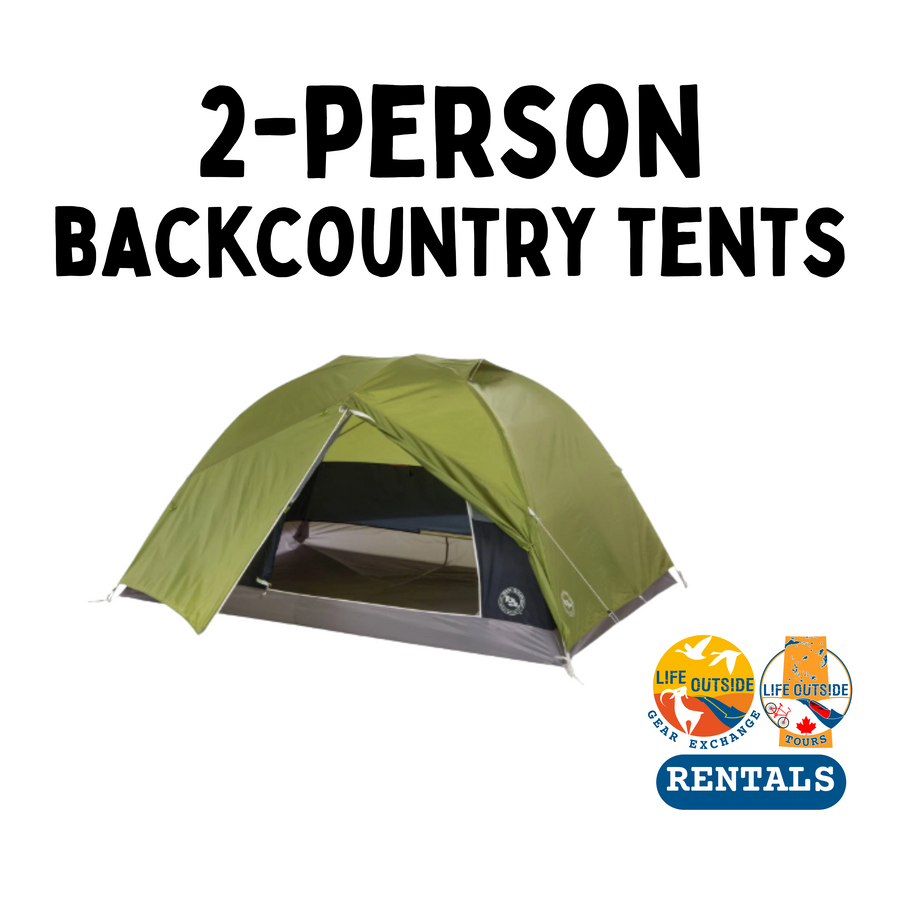
Renting a tent is one of the most sensible things a new camper can do, and it is surprisingly hard to find out how. Most people assume there must be an equivalent of car rental for camping gear, discover there is not quite, and end up buying a cheap tent they may never use again. There are real options, they are just scattered.
You can rent a tent from outdoor retailers with rental programs, university outdoor recreation centres, local gear rental shops near popular trailheads and parks, online gear rental services that ship to you, and increasingly from peer-to-peer platforms that work like short-term rental for equipment. Some campgrounds and state parks also rent pre-pitched tents or offer equipped sites. Availability varies enormously by region, with far more options near national parks and university towns than in the suburbs, and the economics flip toward buying faster than most people expect once fees and shipping are counted.
In short: outdoor retailers, university programs, local shops near parks, online rental services and peer-to-peer platforms.
Before committing to either, check what your destination already provides. Some state park systems and private campgrounds offer equipped or pre-pitched sites, which removes the rental question entirely and often works out cheaper than renting and transporting gear yourself.
Below: each rental route and who it suits, what you should expect to be charged for, the questions worth asking before you book, when buying becomes cheaper, and the borrowing option most people overlook.
Key Takeaways
- Outdoor retailer rental programs are the most reliable option where they exist.
- University outdoor recreation centres often rent to the public, not just students.
- Local shops near national parks and trailheads are the best bet when travelling.
- Online gear rental services ship a full kit to you, which suits flying to a destination.
- Some campgrounds and state parks offer equipped or pre-pitched sites instead.
- Renting twice often costs more than buying a budget tent outright.
- Borrowing from someone who already camps is the cheapest and most underused route.
What a Starter Tent Costs If You Buy Instead
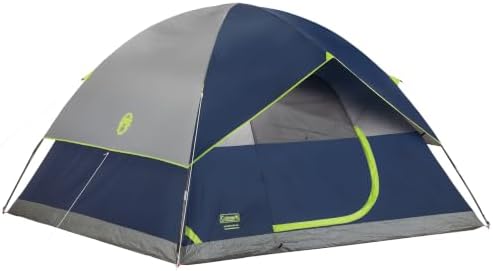
Rental makes sense for one trip or for testing whether you enjoy camping. Past that point, buying is usually cheaper, and the options below span the range from a budget first tent to something a family will grow into.
If you are weighing rental against purchase, compare the rental fee plus any damage deposit against the entry-level options here rather than against premium gear.



The Five Routes to a Rented Tent
Rental options fall into fairly distinct categories, and which one suits you depends mostly on whether you are camping locally or travelling to a destination. Starting with the right category saves a lot of searching.
Outdoor retailer programs are the most structured. Larger outdoor chains and co-ops sometimes run rental counters covering tents, bags, mats and stoves, with standardised pricing and gear that is maintained properly. Availability varies by store rather than by chain, so call the specific branch.
University outdoor recreation centres are the option most people have never considered. Many run equipment rental for their outdoor programs, and a good number rent to the general public or to alumni at modest rates. If you live near a university with an outdoor program, that is worth a phone call.
| Route | Best for | Watch out for |
|---|---|---|
| Outdoor retailer rental counter | Local trips and trying gear before buying | Availability varies by branch; call ahead |
| University outdoor recreation centre | Cheap local rental if you live nearby | May restrict to students, staff or alumni |
| Local shop near a park or trailhead | Travelling to a destination | Book ahead in peak season; limited stock |
| Online gear rental service | Flying somewhere and shipping a full kit | Shipping costs and timing; return deadlines |
| Peer-to-peer rental platform | Areas with no shops offering rental | Condition varies; check reviews and photos |
| Campground equipped or pre-pitched sites | Total convenience with no transport | Books out early; costs more per night |
What Renting Actually Costs
The headline daily rate is rarely the whole figure, and understanding the rest is what makes the buy-versus-rent comparison honest. Most rental arrangements add at least one of a cleaning fee, a damage deposit, a late return charge or shipping both ways.
Bundles are also worth examining carefully. A tent alone is less useful than people assume, because you still need sleeping bags, mats and often a stove. Rental services that package a complete kit cost more per day but may be better value than assembling the pieces.
Shipping is the hidden cost for online services. Two-way shipping on bulky items is not cheap, and it eats into the saving quickly for a single weekend. It makes far more sense when you are flying to a destination and shipping to your accommodation than when you could drive to a local shop.
Questions Worth Asking Before You Book
Most rental disappointments trace back to assumptions rather than to anything the company did wrong. A short list of questions at booking prevents nearly all of them, and none of them take long to ask.
- Check the destination first. Find out whether the campground or park offers equipped sites or pre-pitched tents. If it does, that is usually simpler and cheaper than renting and transporting gear.
- Search local before national. Outdoor shops near the park or trailhead you are visiting usually have the best rates and let you collect on the way, avoiding shipping costs and delays.
- Confirm exactly what is included. Ask whether poles, pegs, guy lines, a footprint and a carry bag are all included. Missing pegs turn into a problem at the campsite rather than at the counter.
- Ask about the damage policy. Find out what counts as normal wear, what you are liable for, and whether a deposit is held. Tent damage charges are the most common rental complaint.
- Check the cleaning requirement. Some rentals require the tent returned clean and dry, with a fee if it is not. That matters if you are returning straight from a wet trip.
- Pitch it before you leave. Set it up in the shop car park or at home if collection allows. Finding a missing pole at the campsite is a ruined trip; finding it at the counter is a two minute fix.
- Photograph the condition. Take photos of the tent before and after your trip. It is the simplest protection against a disputed damage charge.
- Dry it before returning. If you can, pitch it at home to dry. It avoids cleaning fees and it is the right thing to do for whoever rents it next.
When Buying Beats Renting
The crossover arrives faster than most people expect. A budget three-season dome tent costs roughly what two or three days of rental costs once fees are included, and you keep it. For anyone who will camp more than once, the arithmetic is not close.
The genuine case for renting is a single trip, a one-off group requirement, or testing whether you enjoy camping at all before committing. It is also the right call for gear you will rarely need, such as a four-season tent for one winter trip, where buying makes no sense.
| Situation | Rent or buy | Reasoning |
|---|---|---|
| First ever camping trip | Rent or borrow | You do not yet know what suits you |
| One trip a year | Buy budget | Two rentals usually exceed the purchase price |
| Several trips a year | Buy | Rental economics stop working immediately |
| Flying to a destination | Rent locally there | Avoids checking bulky luggage |
| Large group needing extra tents | Rent the extras | Buying for occasional group size makes no sense |
| Specialist gear for one trip | Rent | A four-season tent for one winter trip is not worth buying |
| Unsure whether you will enjoy it | Rent or borrow once | Cheapest way to find out |
If you decide to buy, our guides to family camping tents worth considering and what to pack for tent camping cover the decision and the rest of the kit.
The Option Most People Skip
Borrowing is free, immediate and widely available, and it is the route almost nobody considers first. Anyone who camps regularly has a spare tent, an older one they upgraded from, or gear sitting in a loft that they would genuinely rather see used.
The reason to mention it in an article about renting is that the usual objection, not wanting to impose, is mostly misplaced. Most campers are enthusiastic about getting other people outdoors and would far rather lend a tent than watch someone buy a bad one.
If you do borrow, treat the gear better than your own. Pitch it at home to check everything is there, dry it fully before returning it, and replace anything you break without being asked. That is what keeps the offer open for next time.
Do
- Check whether your destination offers equipped or pre-pitched sites first
- Call local shops near the park rather than searching nationally
- Confirm exactly what is in the rental bundle before booking
- Pitch the tent before leaving the shop or before travelling
- Photograph the condition at collection and return
- Dry anything you rent or borrow before giving it back
Don’t
- Do not compare daily rates without including fees and shipping
- Do not assume pegs and guy lines are included
- Do not rent repeatedly when a budget tent costs the same
- Do not return a tent wet if cleaning fees apply
- Do not skip asking for a pitching demonstration if you are new
- Do not leave booking until peak season at a popular park
Equipped Sites and Pre-Pitched Tents
There is a route that sidesteps the whole question. A number of state park systems and private campgrounds offer equipped sites, where a tent is already pitched and sometimes beds, lighting and cooking equipment are provided. You turn up with food and clothing.
These cost more per night than a standard pitch and considerably less than renting gear, transporting it and pitching it yourself, particularly for a single weekend. For families trying camping for the first time, they remove every logistical obstacle at once.
The trade is availability and flexibility. Equipped sites are limited in number, book out early, and tie you to campgrounds that offer them. They are also, by design, the least adventurous form of camping, which may be exactly right for a first trip and wrong for the second.
For the broader question of what camping style suits you, see how tent camping compares with an RV.
Honest Limits
Rental availability varies enormously by region, and this article describes categories rather than specific providers. Areas near national parks, university towns and outdoor-oriented cities have far more options than suburban or rural areas with little camping traffic.
Pricing varies just as much, which is why no figures appear here. Rates, deposits, cleaning fees and shipping differ between providers and change seasonally, so the only reliable comparison is the one you do for your own dates and location.
Programs also come and go. Retailer rental counters open and close, university programs change their public access policies, and online services enter and leave the market. Anything specific would be out of date quickly, which is why the advice here is about how to search rather than where.
Stay Safe Out There
Rented gear is unfamiliar gear, which matters more than it sounds. Pitch the tent before you travel so you are not learning an unfamiliar pole system in the dark in weather. Check that every peg, pole and guy line is present while you can still do something about it.
Inspect condition rather than assuming it. Rental tents work hard, and a worn fly, a cracked pole section or a failing zip is the kind of thing that is obvious at a counter and miserable at a campsite. Ask for a different unit if anything looks tired.
Campground rules and fire restrictions vary by location and season. The National Park Service publishes guidance that is updated as conditions change, and checking before you travel avoids surprises at the gate.
Disclaimer: this article is general information, not legal or financial advice. Rental terms, availability and pricing vary by provider and change over time, and you are responsible for the agreements you enter into and for decisions made on your trip. Check rental terms carefully and seek professional medical help for any injury that concerns you.
Frequently Asked Questions
Where can I rent a tent for camping?
Outdoor retailer rental counters, university outdoor recreation centres, local shops near parks and trailheads, online gear rental services that ship to you, and peer-to-peer rental platforms. Some campgrounds also offer equipped or pre-pitched sites.
Do outdoor shops rent tents?
Some do, though availability varies by individual branch rather than by chain. Call the specific store rather than relying on a national website, and ask whether they rent sleeping bags and mats as well, since a tent alone is rarely enough.
Can non-students rent from a university outdoor program?
Often yes. Many university outdoor recreation centres rent to the public or to alumni at modest rates, though some restrict it to students and staff. It is one of the cheapest routes if you live near a university with an outdoor program.
Is it cheaper to rent or buy a tent?
Buying, in most cases. A budget three-season dome costs roughly what two or three days of rental costs once fees are included. Renting makes sense for a single trip, specialist gear, or testing whether you enjoy camping.
What should a tent rental include?
Tent body, fly, poles, pegs, guy lines and a carry bag at minimum. Confirm each of those explicitly, because missing pegs become a problem at the campsite rather than at the counter. Ask whether a footprint is included too.
Do I have to clean a rented tent before returning it?
Often yes, and some providers charge a fee if it comes back wet or dirty. If you can, pitch it at home to dry before returning. It avoids the fee and is the right thing to do for whoever rents it next.
What happens if I damage a rented tent?
Policies vary, so ask at booking. Most hold a deposit and define what counts as normal wear. Photographing the tent at collection and return is the simplest protection against a disputed charge.
Can I rent gear and have it shipped to me?
Yes, several online services ship complete camping kits. It suits flying to a destination where you cannot check bulky luggage. Factor in two-way shipping costs, which erode the saving quickly for a short local trip.
Are there campgrounds with tents already set up?
Yes. Some state park systems and private campgrounds offer equipped sites with a tent already pitched, sometimes with beds and cooking equipment. They cost more per night than a standard pitch but remove all the logistics.
Can I just borrow a tent instead?
Usually, and it is the most underused option. Most people who camp regularly have a spare or an older tent and are happy to lend it. Pitch it at home first, dry it before returning, and replace anything you break.
The Bottom Line
Tent rental exists but it is scattered, which is why so many people give up and buy something cheap instead. The reliable routes are outdoor retailer rental counters, university outdoor recreation centres, local shops near the park you are visiting, online services that ship a full kit, and peer-to-peer platforms. Check first whether your destination offers equipped or pre-pitched sites, because that often beats all of them.
Then do the arithmetic honestly, including fees and shipping rather than just the daily rate. Rental makes sense for one trip, for specialist gear you will use once, or for finding out whether camping suits you. Past about two rentals, a budget tent you own outright costs less and is yours afterwards. And before any of that, ask around: someone you know almost certainly has a spare tent and would rather see it used.