
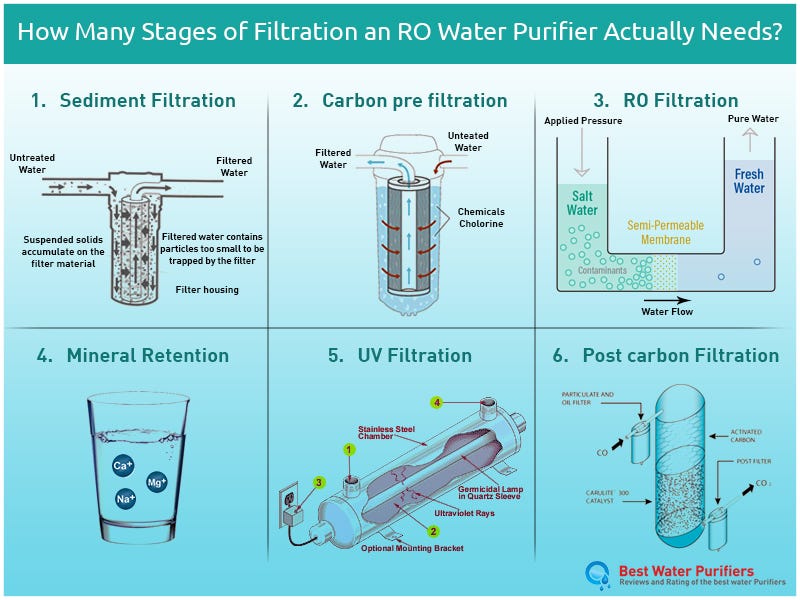
Water purification gets described as a single action, as though you drop something in a bottle and the job is done. It is actually a sequence, and the sequence is the reason treatment sometimes fails for people who did everything the packet told them to. Skipping a step does not reduce effectiveness proportionally; it can remove it entirely.
The three steps of water purification are clarification, filtration and disinfection, in that order. Clarification removes suspended solids by settling or straining, which matters because particles physically shield microorganisms from everything that follows. Filtration then removes the remaining particles and the larger pathogens, principally bacteria and protozoa. Disinfection finishes the job by inactivating what is left, especially viruses, using chemicals, heat or UV. Municipal plants run the same three stages at scale, and a camper with a bandana, a filter and a packet of tablets is doing exactly the same thing in miniature.
In short: clarify, filter, disinfect. Each step prepares the water for the next one to work properly.
The EPA and CDC both emphasise that turbidity undermines disinfection, because suspended particles shield microorganisms from the disinfectant. That single fact is why clarification comes first rather than being an optional tidying-up stage.
Below: what each step does and why, how the order affects the outcome, how the same sequence looks in a treatment plant and on a trail, which steps you can skip and when, and what the sequence cannot achieve at all.
Key Takeaways
- The three steps are clarification, filtration and disinfection, performed in that order.
- Clarification removes suspended solids that would otherwise shield microorganisms.
- Filtration removes the remaining particles plus bacteria and protozoa.
- Disinfection inactivates what the first two steps left, particularly viruses.
- Order matters: disinfecting cloudy water can leave live organisms behind.
- Municipal plants run the same sequence at scale with coagulation and sedimentation.
- None of the three steps removes dissolved chemicals, metals or salts.
Kit for Each Step
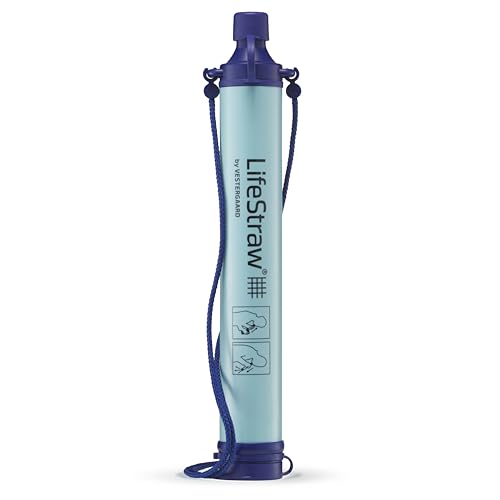
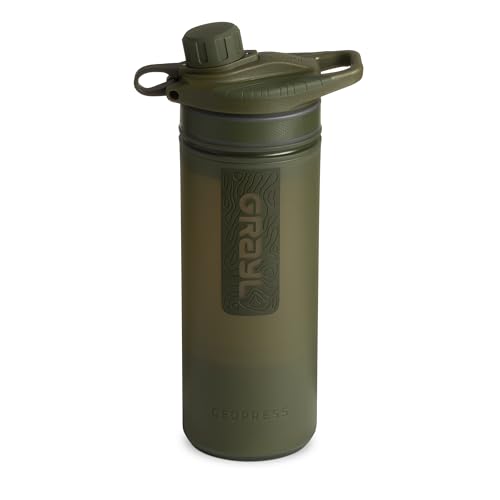
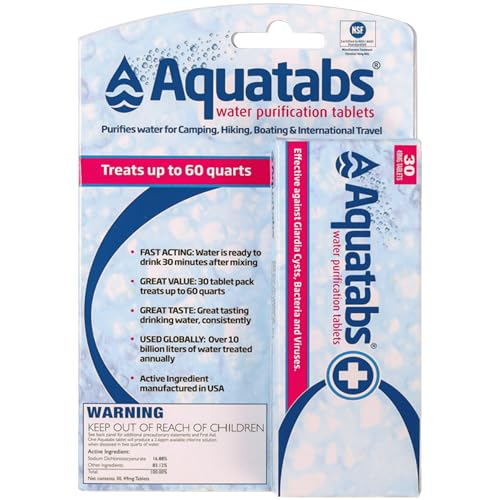
The three steps map neatly onto three kinds of kit, and most people already own something for at least one of them. The items below cover filtration and disinfection; clarification can be done with a bandana and patience.
If you want one purchase that covers two steps, a purifier bottle combines filtration and disinfection in a single press, at the cost of weight and cartridge replacement.



Step One: Clarification
Clarification means removing the suspended solids that make water cloudy. In the field that is settling and straining; in a treatment plant it is coagulation, where a chemical is added to make fine particles clump together, followed by sedimentation and often sand filtration.
The reason this comes first is not aesthetic. Suspended particles physically shield microorganisms from disinfectants, so a correctly dosed chemical treatment applied to turbid water can leave live organisms behind. Particles also consume the disinfectant itself, which reduces the dose available to do the actual work.
There is a practical motive too. Sediment clogs filters quickly, and a filter that has been run hard on silty water loses flow rate permanently in some designs. Ten minutes of settling saves considerably more time than it costs.
Step Two: Filtration
Filtration is physical removal by straining. Water passes through a medium with pores of a known size, and anything larger than those pores stays behind. For backcountry use that medium is usually hollow fibre, with pores commonly rated at 0.1 micron.
That rating determines what gets caught. Bacteria are comfortably larger than 0.1 micron and are removed reliably. Protozoan cysts including Giardia and Cryptosporidium are larger still and are removed as well, which matters because Cryptosporidium resists chemical disinfection.
Viruses are the gap. They are considerably smaller than 0.1 micron and pass straight through a standard filter, which is why products that stop them are called purifiers rather than filters and why the third step exists at all.
| Step | Mechanism | Removes | Leaves behind |
|---|---|---|---|
| Clarification | Settling and straining | Sediment, silt, organic debris | All microorganisms |
| Filtration | Physical straining by pore size | Bacteria, protozoa, fine particles | Viruses, dissolved substances |
| Disinfection | Chemical, heat or UV damage | Viruses, bacteria, most protozoa | Dissolved chemicals and metals |
| All three combined | Sequential | Essentially all pathogens | Chemical contamination entirely |
Step Three: Disinfection
Disinfection inactivates the organisms that remain. It does not remove them physically; it damages them so they cannot infect you. Chemicals such as chlorine, iodine and chlorine dioxide oxidise the proteins and enzymes inside cells, heat denatures them, and UV light damages their DNA.
This is the step that covers viruses, which is why it matters even after good filtration. It is also the step that provides a residual in a municipal system, where leftover chlorine continues protecting water as it travels through pipes to a tap.
Its weakness is the one clarification exists to fix. Chemical disinfection slows dramatically in cold water and performs poorly in turbid water, and UV cannot reach organisms shaded by suspended particles. Both work excellently on water the first two steps have prepared properly.
The chemistry of the most common approach is covered in how chlorination works in water treatment, and the product options in which water purification tablets to carry.
Why the Order Matters
Running the steps out of order does not merely reduce effectiveness, it can defeat the process. Disinfecting before clarifying leaves organisms sheltered inside particles, and you then filter out the particle without having killed what was inside it, or drink it.
Filtering before clarifying wastes filter life, sometimes dramatically. A hollow fibre cartridge run on silty water clogs within a few litres, and while backflushing recovers some flow, each hard cycle takes something off the cartridge lifespan permanently.
- Choose the cleanest source available. Take water from flowing sources upstream of trails, camps and grazing. Every step that follows works better on water that started cleaner.
- Let the water settle. Fill a container and leave it standing for twenty minutes or more. Heavier sediment drops to the bottom, and you can decant the clearer water off the top.
- Strain through cloth. Pour the decanted water through a bandana, a coffee filter or a dedicated pre-filter. This is clarification, and it protects both the filter and the disinfectant.
- Run it through a filter. Use a hollow fibre filter rated for bacteria and protozoa. This removes the pathogens large enough to strain out, and most of the remaining fine particles.
- Add the disinfectant. Treat the filtered water with tablets, or boil it, or use UV. This step covers viruses, which filters do not, and anything the filter missed.
- Flush the container threads. With chemical treatment, loosen the cap after a minute and let treated water run over the threads, then retighten. Untreated water trapped there recontaminates your drink.
- Wait the full contact time. Thirty minutes for most targets, longer for Cryptosporidium with chlorine dioxide, and double it near freezing. This is the step people shorten and should not.
- Store it covered. Keep treated water covered and use it within a day or so, particularly if you removed the chemical residual that would otherwise protect it.
The Same Three Steps at Plant Scale
Municipal treatment runs the identical sequence with industrial machinery, which is a useful way to understand why each stage exists. The scale is different; the logic is not.
| Step | Municipal plant | Backcountry equivalent |
|---|---|---|
| Clarification | Coagulation, flocculation, sedimentation | Letting water settle, then straining through cloth |
| Filtration | Sand, gravel and membrane filtration | Hollow fibre squeeze or gravity filter |
| Disinfection | Chlorine, chloramine, ozone or UV | Tablets, boiling or a UV device |
| Residual protection | Chlorine residual maintained in pipes | Keep treated water covered and use it promptly |
| Monitoring | Continuous testing and reporting | Judgement, and following the instructions properly |
One difference is worth noting. A plant has coagulation, where a chemical makes fine particles clump into larger ones that settle. A camper cannot replicate that easily, which is why field clarification relies on gravity and cloth and tends to be less complete.
When You Can Skip a Step
In practice people skip steps constantly and mostly get away with it, which is worth being honest about. Clear mountain water that you filter and drink without disinfecting is a low risk in most of North America and Europe, because viruses in wild water are uncommon there.
Likewise, treating genuinely clear water with tablets and skipping filtration works, provided the chemistry you are using covers Cryptosporidium. Chlorine dioxide does; iodine and chlorine-releasing tablets do not, which is where that shortcut becomes a gamble.
Do
- Clarify first whenever the water is anything other than clear
- Filter before disinfecting when you are doing both
- Wait the full contact time, and longer in cold water
- Use chlorine dioxide if you are relying on chemicals alone
- Flush bottle threads and caps with treated water
- Choose the cleanest source you can reach
Don’t
- Do not disinfect turbid water and assume it worked
- Do not run a filter hard on silty water without settling it first
- Do not skip disinfection where viruses are a realistic risk
- Do not rely on iodine or chlorine alone against Cryptosporidium
- Do not shorten contact times because you are thirsty
- Do not expect any of the three steps to remove chemicals
If you are deciding which combination to carry, see which water purification method to choose.
Honest Limits
The three-step framing is a useful model rather than a formal standard, and you will see water treatment described in four, five or more stages depending on the source and the context. The sequence and the logic are consistent even where the labels differ.
None of the three steps addresses dissolved chemical contamination. Pesticides, fertiliser runoff, heavy metals and fuel residues pass through clarification, filtration and disinfection alike. Activated carbon helps with many organics and reverse osmosis handles more, but neither is part of this sequence.
We have also not tested these products or verified removal claims. This article explains the sequence and why each step exists; it is not an assessment of how any specific filter or tablet performs on any specific water.
Stay Safe Out There
Source selection sits before step one and matters more than any of them. Take water from flowing sources upstream of trails, campsites and grazing land. Every stage that follows performs better on water that was cleaner to begin with.
Treat all backcountry surface water regardless of how clear it looks. Clarity indicates low turbidity, which helps the chemistry work, and says nothing at all about whether anything is living in it.
Symptoms of waterborne illness usually appear days to weeks after exposure, which makes the cause easy to attribute elsewhere. Persistent diarrhoea, cramping, nausea or fatigue after a trip is worth mentioning to a doctor with that context.
Guidance on each stage is published by the EPA and the CDC, including the reasoning behind clarifying water before disinfecting it.
Disclaimer: this article is general information, not medical advice. Treatment effectiveness depends on water conditions, dose and timing, and you are responsible for the water you drink. Follow product instructions, check current public health guidance, and seek professional medical help for any symptoms that concern you.
Frequently Asked Questions
What are the three steps of water purification?
Clarification, filtration and disinfection, in that order. Clarification removes suspended solids, filtration strains out bacteria and protozoa, and disinfection inactivates what remains, particularly viruses.
Why does clarification come first?
Because suspended particles physically shield microorganisms from disinfectants and consume the disinfectant itself. Treating cloudy water can leave live organisms behind even with a correct dose and a full contact time.
What does filtration actually remove?
Particles larger than the filter pore size, typically 0.1 micron for backcountry filters. That covers bacteria and protozoa including Giardia and Cryptosporidium. Viruses are smaller and pass straight through.
What is the difference between filtration and disinfection?
Filtration physically removes organisms by straining. Disinfection damages them chemically, with heat or with UV so they cannot infect you, but leaves them in the water. The two cover different gaps, which is why both exist.
Can I skip the filtration step?
Sometimes. If the water is genuinely clear and you use chlorine dioxide, which covers Cryptosporidium, chemical treatment alone is reasonable. With iodine or chlorine-releasing tablets, skipping filtration leaves a Cryptosporidium gap.
Can I skip disinfection if I filter?
In much of North America and Europe people do, because viruses in wild water are uncommon there. In regions where water is contaminated with human sewage, or where you cannot judge the catchment, skipping it is a real risk.
How do municipal plants do the same three steps?
Coagulation and sedimentation for clarification, sand and membrane filtration for the second step, and chlorine, chloramine, ozone or UV for disinfection. The same logic at industrial scale, with continuous monitoring on top.
Do the three steps remove chemicals?
No. Clarification, filtration and disinfection all target particles and living organisms. Dissolved chemicals, metals and nitrates pass through all three. Activated carbon and reverse osmosis handle those, and are separate additions.
How long should I let water settle?
Twenty minutes or more, longer for very silty water. Then decant carefully from the top rather than pouring everything, so you leave the settled sediment behind rather than stirring it back into suspension.
What can I use to strain water in the field?
A bandana, a clean sock, a coffee filter or a purpose-made pre-filter all work. The aim is removing visible particles rather than achieving anything microbiological, which the next two steps handle.
The Bottom Line
Water purification is a sequence rather than a single action, and the three steps are clarification, filtration and disinfection. Each one prepares the water for the next: clarifying removes the particles that would shield organisms from treatment, filtering strains out bacteria and protozoa, and disinfecting inactivates what remains, including the viruses a filter cannot catch.
Doing them in order is the part that matters. Disinfect cloudy water and the dose is wasted on sediment while organisms shelter inside it. Filter silty water and you ruin a cartridge that twenty minutes of settling would have saved. And at the end, wait the full contact time, because that is the step people shorten and the one that most reliably makes everything before it pointless.