
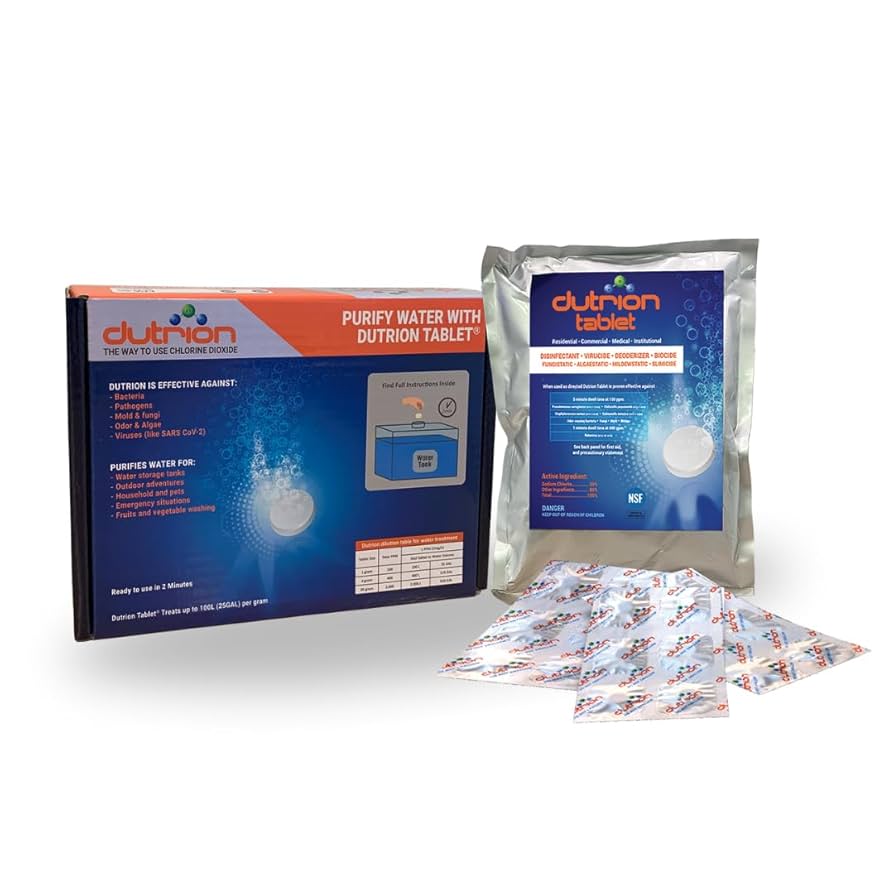
This question comes up most often from people filling bottles at a campground tap, or from travellers handed heavily chlorinated tap water that tastes like a swimming pool. The instinct is reasonable: you have purification tablets in the pack, so why not use them. The answer is that you would be solving the opposite problem to the one in front of you.
Water purification tablets do not clean chlorinated water, because they work by adding a disinfectant rather than removing one. Most tablets release chlorine or iodine into the water, so dropping one into already-chlorinated tap water adds to the chlorine load and makes the taste worse rather than better. Chlorinated municipal water has already been disinfected, which is the job the tablet was going to do. If the problem is taste, the answer is activated carbon, or simply letting the water stand so the chlorine dissipates. If you genuinely doubt the supply, that is a different question with a different answer.
In short: tablets add disinfectant, they do not remove it, so they make chlorinated water taste worse rather than better.
The EPA and CDC both treat residual chlorine in a municipal supply as a safety feature rather than a contaminant, because it protects water against recontamination on its way to the tap. That framing is useful here: the chlorine you can taste is doing a job, and removing it is a comfort decision rather than a safety one.
Below: why the chemistry runs the wrong way, what actually removes chlorine, when chlorinated water still needs treatment, the specific case of travelling abroad, and how to improve the taste without wasting tablets.
Key Takeaways
- Tablets add chlorine or iodine to water. They have no mechanism for removing either.
- Adding a tablet to chlorinated tap water makes the taste worse and wastes the tablet.
- Residual chlorine in municipal water is deliberate, and it protects the water in the pipes.
- Activated carbon is what removes chlorine, by adsorbing it onto a large internal surface.
- Letting water stand uncapped lets some chlorine dissipate, at the cost of losing the residual.
- Chlorinated supply does not guarantee safety abroad, where pipe integrity may be the real issue.
- Cryptosporidium survives standard chlorination, so chlorinated water is not automatically cyst-free.
What Handles Chlorine and What Handles Pathogens
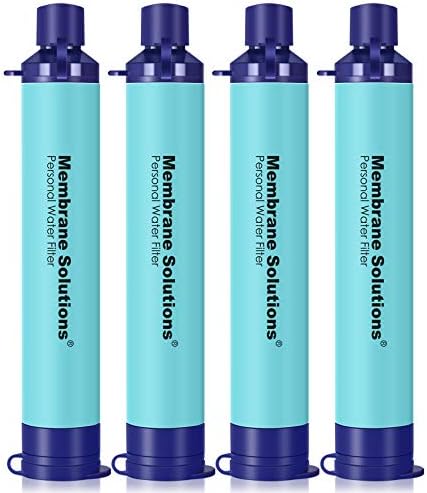
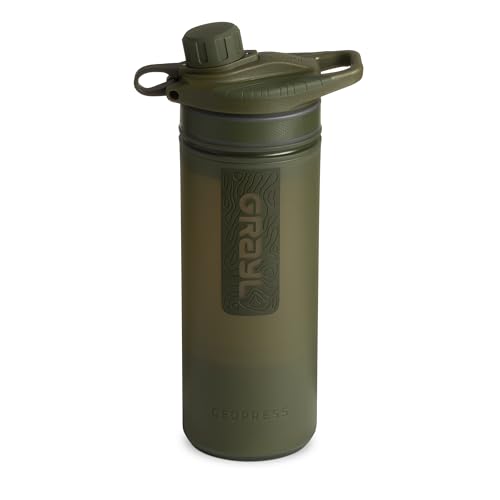
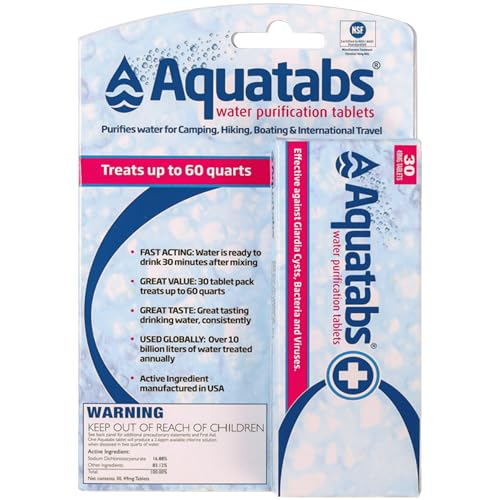
Two different problems, two different products. Carbon-based filters deal with chlorine taste; tablets and membrane filters deal with microorganisms. The list below covers both so the distinction is easy to see.
If you are filling from a treated municipal tap and simply dislike the taste, a carbon stage is what you want. Tablets belong in the pack for untreated water.



Why the Chemistry Runs the Wrong Way
The confusion comes from the word purification doing too much work. A purification tablet does not clean water in the sense of removing things from it. It disinfects, by introducing a chemical that inactivates microorganisms, and that chemical stays in the water afterwards.
Most tablets release either chlorine, from sodium dichloroisocyanurate, or iodine, from tetraglycine hydroperiodide. Chlorine dioxide products generate a different molecule but the principle holds: something is being added. There is no mechanism anywhere in a tablet for taking a dissolved substance out of water.
So dropping a chlorine-releasing tablet into chlorinated tap water does exactly what you would expect. It raises the chlorine concentration, makes the taste stronger, and achieves nothing useful because the water has already been disinfected by the treatment plant. The tablet has been wasted on a problem it cannot address.
| Method | Mechanism | Effect on chlorine |
|---|---|---|
| Chlorine-releasing tablet | Adds hypochlorous acid | Increases it |
| Iodine tablet | Adds iodine | Does not remove chlorine, adds another taste |
| Chlorine dioxide tablet | Generates chlorine dioxide | Does not remove chlorine |
| Activated carbon | Adsorbs molecules onto a surface | Removes it effectively |
| Standing uncapped | Volatilisation into the air | Reduces it slowly |
| Boiling | Drives off volatile compounds | Reduces it, though mainly used for pathogens |
| Reverse osmosis | Membrane rejection plus carbon stages | Removes it |
What Residual Chlorine Is Doing There
Water treatment plants deliberately leave a small amount of chlorine in the supply, and that residual is a feature rather than an oversight. Its job is to keep protecting the water as it travels through miles of pipework, where contamination can enter through leaks, repairs or pressure drops.
That is why a faint chlorine smell at a tap is generally reassuring. It indicates the disinfectant has not been entirely consumed, which in turn suggests the water has not encountered a large contamination load on its way to you. Water with no detectable residual at all is less informative, not more.
The taste most people object to is often not chlorine itself but chloramines, formed when chlorine reacts with nitrogen compounds in the water. Some utilities also use chloramine deliberately because it is more stable in long distribution networks. Chloramine is more stubborn than free chlorine and does not dissipate as readily by standing.
The full picture of how this works is covered in how chlorination works in water treatment.
What Actually Removes Chlorine
Activated carbon is the standard answer, and it works by adsorption. Carbon processed to have an enormous internal surface area attracts and binds organic molecules and chlorine as water passes over it. That is a genuinely different mechanism from filtration or disinfection, and it is why a carbon stage appears in almost every filter jug and bottle sold.
Time and air do a partial job for free. Chlorine is volatile, so water left standing uncapped loses some of it to the atmosphere over an hour or more. This is the classic advice for aquarium water and it works for drinking water too, though it is slower for chloramine than for free chlorine.
Temperature matters more than people expect, because most of what we perceive as taste is actually smell. Cold water releases less chlorine vapour, so the same water tastes considerably better chilled than at room temperature. For a campsite, that often means simply letting bottles sit in a cold stream.
- Confirm the water is actually treated. A municipal supply with a chlorine smell has been disinfected. If you are unsure whether a tap is on a treated supply, that is a safety question rather than a taste one.
- Let it stand uncapped. Fill a container and leave it open for an hour or more. Some chlorine will dissipate into the air, which takes the edge off the taste at no cost.
- Chill it. Cold water carries less chlorine smell to your nose, and most of what we call taste is smell. Refrigerating or cooling in a stream makes a noticeable difference.
- Run it through activated carbon. A carbon filter, jug or bottle adsorbs chlorine onto its internal surface. This is the only method that genuinely removes it rather than waiting for it to leave.
- Add something acidic if you prefer. A squeeze of lemon or a drink mix masks residual chlorine effectively. It does not remove anything, but it solves the problem people actually have.
- Do not add a purification tablet. A tablet adds more of what you are trying to get rid of. Save them for untreated water, where they do the job they were designed for.
- Store treated water covered. Once you have improved the taste, keep the container covered and use it within a day, because removing chlorine also removes its protective residual.
For how carbon achieves this, see the role of charcoal in water purification.
When Chlorinated Water Still Needs Treatment
There is a scenario where adding treatment to chlorinated water makes sense, and it is worth separating from the taste question. Standard chlorination does not reliably inactivate Cryptosporidium, whose oocysts resist chlorine at the concentrations used in distribution. A chlorinated supply is therefore not automatically free of cysts.
In a well-run system this is managed upstream by filtration at the treatment plant rather than by chlorine. Where that filtration is absent or compromised, or during a boil-water notice, the chlorine residual alone is not a guarantee. That is a filtration problem, so a filter rated for cysts is the appropriate response rather than another chemical.
The other case is infrastructure rather than chemistry. In places where the supply is chlorinated but the distribution network is unreliable, contamination can enter downstream of treatment through damaged pipes or intermittent pressure. There the sensible response is a purifier covering viruses and bacteria, or boiling, rather than assuming chlorine has it covered.
| Situation | Is more treatment needed? | What to use |
|---|---|---|
| Campground tap on a reliable municipal supply | No | Nothing; use carbon if the taste bothers you |
| Strong chlorine smell, sound infrastructure | No | Carbon, standing time or chilling for taste |
| Boil-water notice in force | Yes | Follow the issuing authority instructions exactly |
| Cryptosporidium known or suspected | Yes | A filter rated for cysts, not another chemical |
| Chlorinated supply, unreliable pipe network | Yes | A purifier covering viruses, or boiling |
| Untreated stream, lake or well | Yes | Tablets or a filter; this is what they are for |
Travelling Abroad With Chlorinated Tap Water
This is where most of the practical confusion lives. Heavily chlorinated tap water in an unfamiliar country reads as suspicious to visitors, when the strong chlorine smell often indicates the opposite: that the supply is being disinfected aggressively, sometimes because the network is old and the utility is compensating.
The right question is not how much chlorine you can taste but whether the distribution network is sound. Where it is not, contamination enters after treatment, and the relevant risk is bacterial and viral rather than anything to do with chlorine. A purifier that covers viruses, or bottled water, addresses that; another tablet does not.
Do
- Use carbon filtration if chlorine taste is your only complaint
- Let water stand uncapped or chill it as a free improvement
- Carry a purifier covering viruses where the network is unreliable
- Follow local advice and any boil-water notice in force
- Keep tablets for genuinely untreated water, where they work well
- Use a cyst-rated filter if Cryptosporidium is a known concern
Don’t
- Do not add purification tablets to chlorinated tap water
- Do not assume a strong chlorine smell means the water is unsafe
- Do not assume chlorinated water is automatically free of Cryptosporidium
- Do not rely on standing water alone where chloramine is used
- Do not store dechlorinated water for days, since the residual is gone
- Do not use pool chemicals to adjust drinking water
When to Just Not Worry About It
For most campers filling bottles at a campground tap in a country with reliable infrastructure, the honest answer is that chlorinated water is fine and the taste is a preference rather than a problem. Drinking enough water matters considerably more than whether it tastes perfect.
That point is worth emphasising because it cuts the other way too. If treated water tastes bad enough that you drink less of it, the treatment has created a dehydration risk while solving nothing, and in heat or at altitude that matters. A drink mix is a legitimate solution to that.
Save the tablets and the filter for where they earn their place: untreated surface water, questionable supplies, and backcountry sources. That is the problem they were designed for, and they handle it well.
If you are deciding what to carry, see which water purification tablets to carry.
Honest Limits
Water quality and infrastructure vary enormously between regions, and general guidance cannot tell you whether a specific tap is safe. Local public health advice, posted notices and the managing utility are the authorities on that, and they take precedence over anything written here.
The chemistry described is general. Whether a utility uses free chlorine or chloramine changes how readily the taste dissipates, and that information is published in local water quality reports rather than being something you can determine by taste.
We have not tested these products or verified removal claims. This article explains why tablets cannot remove chlorine and what can; it is not an assessment of how well a particular filter performs against a particular contaminant.
Stay Safe Out There
Separate the taste question from the safety question before deciding what to do. Taste is a comfort issue with cheap solutions. Doubt about whether a supply is safe is a different problem, and the answer there is local advice, a purifier rated for the relevant threats, or boiling.
For backcountry water, treat everything regardless of how clear it looks, using a filter rated for bacteria and protozoa, chemical treatment, or both. That is where tablets belong, and where they do their job reliably when dosed and timed correctly.
Symptoms of waterborne illness typically appear days to weeks after exposure, which makes the cause easy to attribute elsewhere. Persistent diarrhoea, cramping, nausea or fatigue after a trip or after travel is worth raising with a doctor with that context included.
Guidance is published by the CDC and the EPA, including emergency disinfection advice and the reasoning behind maintaining a chlorine residual in distribution.
Disclaimer: this article is general information, not medical advice. Water quality and local conditions vary, and you are responsible for the water you drink. Follow local public health guidance and any notices in force, and seek professional medical help for any symptoms that concern you.
Frequently Asked Questions
Do water purification tablets clean chlorinated water?
No. Tablets work by adding a disinfectant, usually chlorine or iodine, rather than removing anything. Adding one to chlorinated tap water increases the chlorine, worsens the taste and wastes a tablet on water that is already disinfected.
What removes chlorine from water?
Activated carbon, which adsorbs chlorine onto its internal surface. Letting water stand uncapped allows some to dissipate into the air, and chilling it reduces the smell that most of the perceived taste comes from.
Is chlorine in tap water harmful?
The residual in a properly managed municipal supply is deliberate and protects water against contamination in the pipes. Removing it is a taste preference rather than a safety measure, and it also removes that protection.
Why does my treated water taste worse after adding a tablet?
Because you added disinfectant to water that already contained some. Iodine in particular leaves a strong taste of its own, and chlorine-releasing tablets simply increase what was already there.
Does chlorinated water kill Cryptosporidium?
Not reliably. Cryptosporidium oocysts resist chlorine at the concentrations used in distribution, which is why treatment plants rely on filtration for them. A chlorinated supply is not automatically cyst-free.
Should I treat tap water when travelling abroad?
It depends on the distribution network rather than the chlorine smell. Where pipes are unreliable, contamination enters after treatment, and a purifier covering viruses, boiling, or bottled water is the appropriate response.
Does boiling remove chlorine?
It reduces it, since chlorine is volatile and driven off by heat. Boiling is mainly a pathogen measure though, and for taste alone a carbon filter or simply letting water stand is far less effort.
What about chloramine instead of chlorine?
Chloramine is more stable, which is why some utilities prefer it for long distribution networks. It does not dissipate by standing nearly as readily as free chlorine, so carbon filtration is the practical option.
Can I use a purification tablet if I run out of filter capacity?
For untreated water, absolutely, that is what they are for. For municipal tap water that already smells of chlorine, there is nothing for the tablet to do, so you would be using it on the wrong problem.
How long should water stand to lose its chlorine taste?
An hour or more uncapped makes a noticeable difference for free chlorine, and longer helps further. Chloramine takes much longer and is better handled with carbon. Chilling the water helps regardless of which is present.
The Bottom Line
Purification tablets and chlorinated water are a mismatch, because the tablets add exactly the thing you are trying to get rid of. A chlorine-releasing tablet raises the chlorine level, an iodine tablet adds a second taste on top, and neither has any mechanism for removing a dissolved substance from water. The water was already disinfected, which is the job the tablet was going to do.
If the taste bothers you, the answers are cheap: let the water stand uncapped, chill it, or run it through activated carbon, which is the only one of those that genuinely removes the chlorine. If your concern is safety rather than taste, that is a different problem, and the relevant questions are whether Cryptosporidium or a compromised distribution network are in play. Keep the tablets for untreated water, where they do exactly what they were designed to do.