
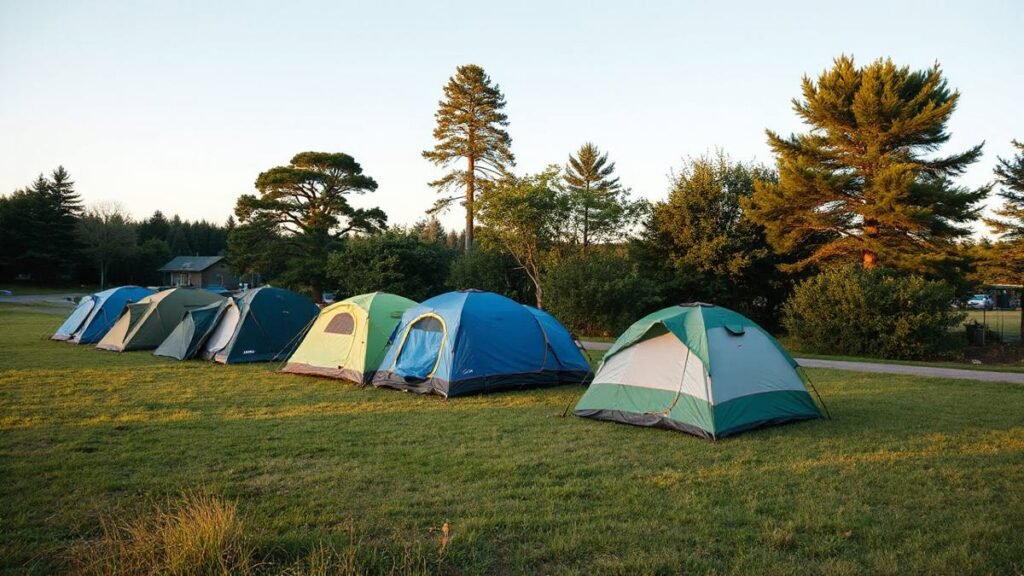
There is no single best tent maker, because the best brand depends on how you camp. Coleman and Eureka are popular for affordable car camping, REI Co-op, Marmot and Kelty cover everyday three-season trips, and Big Agnes, MSR, NEMO and Hilleberg lead in lightweight and four-season designs. Use the picks below, then match the brand to your trip.


As an Amazon Associate we may earn from qualifying purchases. The products above are my picks from Amazon search results for this topic, not a verified sales ranking. Prices change often, so use the button to see the current offer. For deals around Black Friday and Cyber Monday, see the Black Friday camping gear hub.
How to judge a tent brand
Brand names matter less than what a tent is built to do, but they are a useful shortcut because makers tend to specialize. Before you compare names, decide how you will use the tent. A family that drives to a campground a few weekends a year needs a different tent from a backpacker counting every ounce, and neither needs a mountaineering shelter.
When you compare brands, look at four things. First, the design focus: does the maker build mostly budget family tents, lightweight backpacking tents or expedition tents? Second, the materials and construction: fabric quality, pole strength, zipper quality and seam finishing. Third, support: a clear warranty, spare parts and repair help. Fourth, the fit to your needs: capacity, weight, season rating and price tier. Reviews and your own comfort preferences matter as well.
It also helps to remember that tent lines change often. A model that was excellent a few years ago may have been redesigned, so check the current version rather than trusting an old reputation.
Well-known tent brands and what they are known for
Below is a summary of respected names, grouped by what they are generally known for. It is not a ranking, and it is not a complete list. The products in the table at the top of this page come from live Amazon search results, so check the model details before you buy.
Coleman
One of the best-known names in car camping. Coleman is widely associated with affordable, roomy family tents, and many first-time campers start here. The designs favor easy setup and generous interior space over low weight.
REI Co-op
REI’s own tent lines range from family tents to backpacking models, and they are known for good value and thoughtful features. REI also publishes some of the most useful public tent-buying guides.
Marmot
Marmot makes dependable three-season backpacking and camping tents that balance weight, livability and weather protection, as well as winter-capable models.
Kelty
Kelty is an old name in American camping, offering accessible tents for families and beginners, from simple dome tents to more refined backpacking shelters.
Big Agnes
Big Agnes is a leader in lightweight, livable backpacking tents. Its designs often emphasize interior volume without a big weight penalty, which many backpackers like.
MSR
MSR builds well-regarded backpacking and mountaineering tents that are known for durable construction and weather performance.
NEMO
NEMO is known for inventive designs and comfort-focused features in backpacking and camping tents, with a focus on livability and clever details.
Hilleberg
Hilleberg, a Swedish maker, is respected for strong four-season tents designed for harsh weather and long expeditions. These tents are built for serious conditions, and they often cost more.
Eureka, ALPS Mountaineering and Teton
These brands offer solid options in the value and mid-range tiers for campers who want dependable gear without top-tier prices.
Naturehike and OneTigris
These newer brands have grown popular with budget-conscious backpackers and campers, offering light and compact designs at accessible prices.
Which brand for which camper
| If you are… | Look at | Why |
|---|---|---|
| A first-time or occasional car camper | Coleman, Eureka, Kelty, Teton | Roomy, simple and affordable |
| A family camper who wants comfort | REI Co-op, Coleman, Core | Large cabin designs with good headroom |
| A weekend backpacker | Marmot, Kelty, ALPS Mountaineering, REI Co-op | Balanced weight and value |
| A weight-focused hiker | Big Agnes, MSR, NEMO, Naturehike | Lighter designs and compact packing |
| A winter or expedition camper | Hilleberg, MSR, Marmot four-season models | Strong poles and weather protection |
Features that separate good tents from average ones
- Rainfly design. A fly that extends close to the ground and has taped seams keeps out more rain and wind.
- Poles. Aluminum poles are generally stronger and lighter than fiberglass. Hubbed designs speed up setup.
- Floor and fabric. A thicker floor resists punctures, while lighter fabrics save weight but need care.
- Ventilation. Mesh panels, vents and a gap under the fly reduce condensation.
- Doors and vestibules. Two doors make it easier to get in and out, and a vestibule keeps gear dry.
- Zippers and hardware. Smooth, durable zippers matter a great deal over the life of a tent.
Tent makers often use the same technologies at multiple price points, so a reasonably priced tent from a known brand can offer many of these features.
Tent size and season rating
Tent capacity is usually printed in the name, such as “2-person” or “4-person.” Treat the number as the maximum, not the comfortable size. A two-person tent is snug for two adults and their gear, and many campers buy one size up. Season ratings describe the weather a tent can handle:
- Three-season: spring, summer and fall, with good ventilation and moderate wind and rain resistance.
- Three-plus or extended season: a little more storm resistance for early spring or late fall.
- Four-season: built for snow loads and strong wind, with stronger poles and less mesh.
If you plan to camp in snow, read our guide to the best tents for winter camping.
Budget versus premium: what you pay for
Premium tents tend to cost more because they use lighter, stronger materials, tighter quality control and more refined designs. That matters most to backpackers and four-season campers. Budget tents often use heavier fabric and simpler poles, which is fine for car camping where weight does not matter.
Prices change often, so this guide does not quote them. Use the button in the table to see the current offer on Amazon. If you are waiting for a sale, our Black Friday camping gear hub and our guide on how to spot a real camping deal can help.
How to compare two brands fairly
- Compare the same capacity and the same season rating.
- Check packed weight and packed size if you will carry the tent.
- Look at floor area and peak height for livability.
- Read the warranty terms and how the brand handles repairs.
- Check recent reviews for the specific model, especially for complaints about zippers, leaks or poles.
- Think about the way you will use it, then choose.
Tent care keeps any brand performing
Even the best tent fails early without care. Dry it completely before storing, keep it out of long direct sunlight, use a footprint, pitch it on cleared ground and keep zippers clean. Our guide on washing a camping tent explains the safe way to clean one, and our post on what to put under a tent covers ground protection.
Questions to ask before buying
- How many people and how much gear need to fit?
- Will I carry it, or drive to the site?
- What weather will I camp in?
- How fast do I want it to pitch?
- What is my budget, and what can I safely trade away?
Answer those and the shortlist usually shrinks to a few models.
Common mistakes when choosing a tent brand
- Trusting a logo over the model. Every brand has strong and weak models. Judge the exact tent, not the name on the bag.
- Buying too small. A tent that fits the sleepers but not the gear leaves you stacking bags on your pad. Size up if you value comfort.
- Ignoring weight when you hike. A heavy tent from a trusted maker is still a heavy tent on your back.
- Overbuying for the conditions. A four-season tent is unnecessary and stuffy in summer. Match the rating to the weather you actually camp in.
- Skipping the test pitch. Set up a new tent at home before your trip so you know how the poles, fly and stakes work together.
What owners and reviewers tend to notice
Reading recent reviews on a specific model gives you information a brand name cannot. People who camp in the rain will tell you whether the fly really keeps out water. People who hike with the tent will mention the packed size and whether the poles are easy to handle with cold hands. Look for patterns rather than single opinions: if many reviewers report the same zipper issue or the same seam leak, take it seriously.
Also look at how the tent holds up after a season or two, because first-impression reviews often miss durability problems. Treat star averages carefully, and read the critical reviews for useful detail.
A simple way to choose
Start by writing down your three most common trips. If they are all drive-up campgrounds in summer, a roomy, reasonably priced family tent from a mainstream brand is a sensible choice. If you hike two or three nights at a time, narrow your search to backpacking tents from makers known for light, livable designs, and compare weights. If you camp in snow or exposed alpine terrain, move to four-season models from brands with a track record in harsh weather.
Then check the tent’s warranty, read recent reviews, and compare two or three finalists side by side. When one fits your budget and your trip better than the others, buy it. For more guidance, see our guides on the best camping tents and the best tent for family camping.
FAQ
Who makes the best camping tents overall?
No single brand is best for everyone. Coleman and Eureka are popular for budget car camping, REI Co-op, Marmot and Kelty for general use, and Big Agnes, MSR and NEMO for lightweight backpacking.
What is the most durable tent brand?
Brands that focus on four-season and expedition tents, such as Hilleberg and MSR, are widely known for durability, though they cost more.
Is Coleman a good tent brand?
Coleman is a popular choice for affordable family and car camping tents. They are roomy and easy to pitch, though they are generally heavier than backpacking tents.
Are expensive tents worth it?
They can be if weight, weather performance and long-term durability matter to you. For occasional car camping, a mid-priced tent is often enough.
What size tent should I buy?
Choose a tent rated for one or two more people than you plan to sleep in if you want comfortable space for gear.
Where can I find current tent prices?
Open the product page through the table above to see the live Amazon offer, since prices change often.
Related guides
- What are the best camping tents
- Whats the best tent for family camping
- Best light camping 2 tent vestibule