
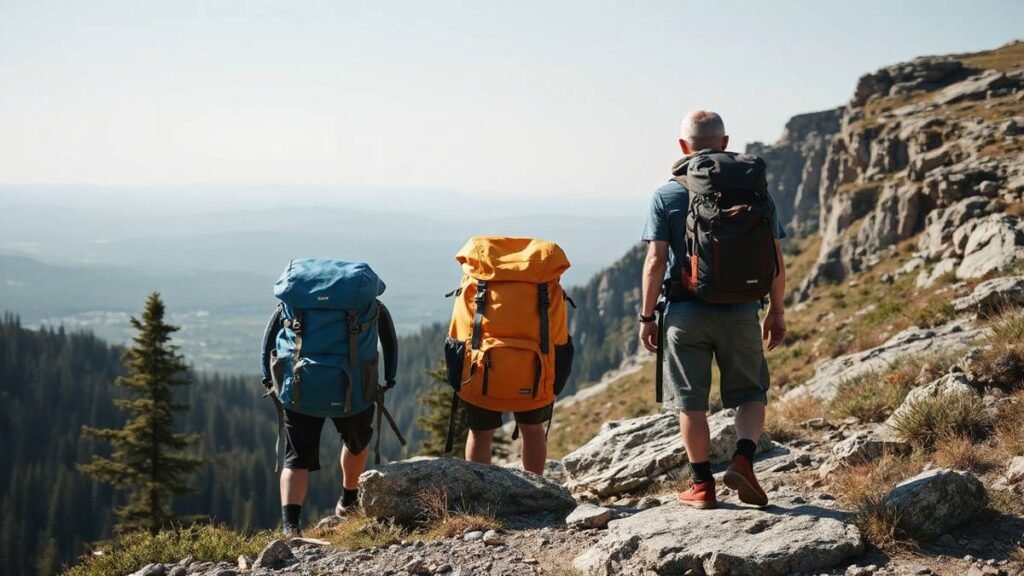
There is no single best hiking backpack maker, but Osprey, Gregory, Deuter, REI Co-op, Kelty and Granite Gear are the names hikers most often shortlist. Osprey and Gregory are known for fit and comfort, Deuter for ventilation and carrying systems, and Kelty and REI Co-op for value. Use the table to see current packs, then match the brand to your trip and body.
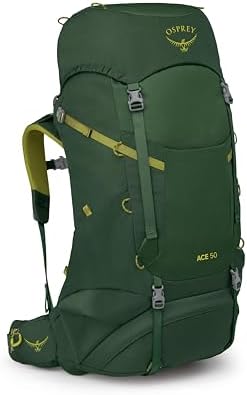


As an Amazon Associate we may earn from qualifying purchases. The products above are my picks from Amazon search results for this topic, not a verified sales ranking. Prices change often, so use the button to see the current offer. For deals around Black Friday and Cyber Monday, see the Black Friday camping gear hub.
What makes a hiking backpack brand good
A backpack is one of the few pieces of hiking gear that has to fit your body, so reputation alone is not enough. A good brand tends to offer several things: a range of sizes and torso lengths, both men’s and women’s fits, comfortable suspension, durable fabric and zippers, a clear warranty and spare parts or repair help. Look at whether the maker has a track record with the kind of trip you plan, whether that is day hiking, weekend backpacking or a long trek.
Remember that even excellent brands make models that do not fit everyone. The best pack for you is the one that fits your torso, carries your typical load comfortably and has the features you actually use.
Brands hikers most often consider
Osprey
Osprey is one of the best-known pack makers, and many hikers choose it for its wide range of sizes and its comfortable suspension and ventilation designs. The line covers everything from small daypacks to large expedition packs, with men’s, women’s and youth fits. Osprey also offers a lifetime-style repair and warranty program.
Gregory
Gregory is known for supportive, comfortable load carrying and thoughtful fit options. Many hikers who carry heavier loads like its harness and hip belt designs.
Deuter
This German brand has a long history with trekking packs and is known for its ventilated back systems and sturdy construction, particularly in its Aircontact designs.
REI Co-op
REI’s own packs are popular for good value and solid features, and REI’s fitting advice is widely used by new hikers.
Kelty
Kelty has made backpacks for decades, and its packs are often a budget-friendly way to get a reliable frame pack.
Granite Gear
Granite Gear focuses on lightweight, durable packs and is popular among backpackers who carry moderate loads and prize simplicity.
Teton Sports, Naturehike and others
These brands offer low-cost options that can suit casual hikers or beginners, though materials and long-term durability can vary.
Fjallraven and Kanken
Fjallraven is a well-known Swedish brand. Its Kanken packs are stylish everyday bags, but they are not designed for serious hiking. See our guide on whether Kanken backpacks are good for hiking.
Which brand fits which hiker
| Hiker | Brands to look at | What to prioritize |
|---|---|---|
| Day hiker | Osprey, Deuter, REI Co-op | Ventilation, hydration sleeve, light weight |
| Weekend backpacker | Osprey, Gregory, Kelty, REI Co-op | Adjustable fit, 40 to 60 liters |
| Multi-day trekker | Gregory, Osprey, Deuter | Strong suspension and hip belt |
| Lightweight hiker | Granite Gear, Osprey lightweight lines | Low weight and simple design |
| Budget-minded beginner | Kelty, Teton, REI Co-op | Reasonable fit and features |
Features to compare between brands
- Suspension and hip belt: A good hip belt carries most of the weight. Look for padded, wraparound designs.
- Adjustable torso length: Lets you match the pack to your body.
- Ventilation: Mesh back panels or suspended frames reduce sweat but add some weight and reduce load stability.
- Access: Top-loading, front-loading or both, and a sleeping bag compartment.
- Pockets and attachments: Water bottle pockets, hip belt pockets, trekking pole loops and compression straps.
- Rain protection: Many packs include a rain cover, but a waterproof liner is more reliable.
- Weight: Light is good, but not at the expense of support if you carry a heavy load.
How to check fit before you buy
Fit is more important than brand, so use these steps whatever you choose. First, measure your torso length from the bump at the base of your neck to the line between your hip bones. Second, match that measurement to the maker’s size chart. Third, load the pack with weight and check that the hip belt sits on your hip bones, the shoulder straps wrap without gaps and the load lifters angle upward at about 45 degrees. Walk, bend and climb stairs to test it. Our guides to what size backpack to get and fitting a hiking backpack correctly explain more.
Women’s and youth models
Women’s packs usually have shorter torso lengths, curved shoulder straps and hip belts shaped for wider hips. Youth packs are smaller and adjustable as kids grow. Choose whichever model fits you best, regardless of its label. For a closer look, see our guide to the best women’s backpack for hiking.
Warranty and repairs
Backpacks take a beating, and zippers, buckles and straps are common failure points. Look for a brand with a clear warranty and repair policy. Some makers offer repairs for damaged packs, which can extend the life of a good bag for many years. Keep your purchase information and read the warranty terms before you buy.
Care tips for any brand
Clean your pack gently with a damp cloth and mild soap, dry it in the shade and store it loosely. Our guide on washing a hiking backpack has steps. Avoid machine washing, which can damage coatings and foam.
How hiking backpack brands differ in design philosophy
Even among respected brands, the design philosophies differ, which is why one pack can feel perfect and another feel wrong on the same person. Some makers build packs with a stiff, trampoline-style mesh back panel that holds the pack away from your back so air can flow. This is wonderful on hot days, but it moves the load slightly away from your body and can feel less stable on technical terrain. Other brands use a more traditional design in which the pack sits close to your back. That gives better load control and a lower center of gravity, but it can be warmer.
Some brands favor heavy-duty fabrics that resist abrasion and last for years, which suits rough terrain and frequent use. Others use light fabrics to save weight, which is ideal if you take care of your gear and carry modest loads. Understanding which philosophy fits your style is more useful than any brand ranking.
Day packs, overnight packs and trekking packs
Most brands divide their lines by volume. Day packs, usually 10 to 35 liters, focus on comfort, simplicity and hydration access. Overnight and weekend packs, often 35 to 55 liters, add sleeping bag compartments, stronger frames and more attachment points. Trekking and expedition packs, 55 liters and up, emphasize load transfer, with firm frames, thick hip belts and sturdy fabrics.
When you compare brands, compare like with like. A brand’s 65-liter pack should be compared with another brand’s 65-liter pack, not with a 40-liter model. Check how many liters of your trip’s gear you really need, and make sure the pack’s recommended load range matches the weight you plan to carry.
Common mistakes when choosing a brand
- Buying on name alone. A well-known name does not guarantee that a pack fits you.
- Ignoring torso length. Pack size should match your torso, not your height.
- Skipping the weighted try-on. A pack that feels fine empty can be uncomfortable with 20 pounds in it.
- Choosing too big. An oversized pack leads to overpacking and extra weight.
- Forgetting the return policy. If you buy online, confirm that you can return the pack if the fit is wrong.
What to do if you are between brands
If you cannot choose between two brands, let the details decide. Compare the exact models at the same capacity, check the weight and the recommended load, and read recent reviews for patterns about comfort, zippers and seams. Think about whether you prefer a ventilated back or a close-fitting one, and whether the available colors, pockets and attachment points suit how you pack. If everything is equal, pick the one with the better warranty and return terms.
You can also buy from a retailer with a generous return policy and test both packs at home with a loaded bag and a walk around the block. That way you learn about fit with real weight before committing.
Our practical recommendation
For most hikers, a good starting point is to shortlist two or three packs from different brands at the capacity you need, try them on with weight, and choose the one that sits best on your hips. If you hike mostly on day trips, a 20 to 30 liter pack from any of the major makers will do the job. If you plan overnight trips, look at 40 to 55 liter packs with adjustable torsos. Then keep your pack in good shape, because even an excellent brand needs care. Dry it after wet trips, clean it gently and repair small problems before they grow. See our Black Friday camping gear hub if you are waiting for sale season, and always check the live offer on Amazon before you buy.
How to get the most from a new pack
Once you have chosen a pack, spend an evening setting it up before your first trip. Adjust the torso length, load it with the weight you plan to carry and tune the hip belt, shoulder straps and load lifters until the weight sits comfortably on your hips. Pack the heaviest items close to your spine and between your shoulder blades and hips, keep light items at the bottom and top, and put things you need during the day, such as rain gear and snacks, within easy reach. Take it on a short walk to confirm that nothing rubs or shifts. A few minutes of preparation at home prevents sore shoulders and trail frustration later, and it helps you decide whether the pack is truly the right one while you can still return it.
FAQ
Which brand makes the best hiking backpacks?
Osprey and Gregory are often the first names hikers consider for fit and comfort, and Deuter, REI Co-op and Kelty are also popular. The best brand depends on your body, load and budget.
Is Osprey really the best?
Osprey is very popular and well reviewed, but fit is personal. Try several brands before you decide.
Are cheap backpacks okay for hiking?
For short day hikes, yes. For heavy loads or multi-day trips, a well-fitted pack with a supportive frame and hip belt is worth the extra money.
Should I buy a pack online?
You can, if you know your torso length and the return policy. Trying on in a store helps.
How long should a hiking backpack last?
With care, a quality pack can last many seasons. Keep it clean and dry and fix small problems early.
Related guides
- What is the best womens backpack for hiking
- What are the best day hiking backpacks
- Whats the best hiking backpack