
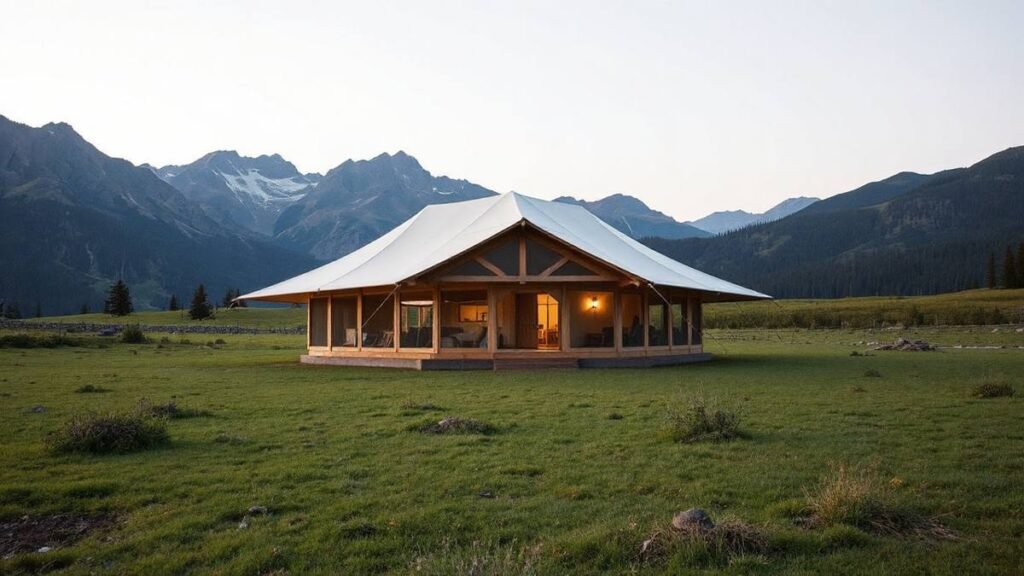
The biggest camping tents for consumers are large cabin and multi-room family tents that sleep 10 to 20 people, while event and frame tents can cover much larger groups. Bigger tents need more space, weight, setup time and campground approval. This guide explains the types of large tents, how to choose one and what to consider before you buy.
How big can a camping tent get?
Consumer camping tents commonly range from one-person models to large family tents rated for 8, 10, 12 or even 20 people. Beyond that, you enter the world of event tents, canvas bell tents and frame tents, which are used for festivals, hunting camps and large gatherings. The largest portable shelters can cover hundreds of square feet and hold dozens of people. The rated capacity assumes close sleeping, so real comfort comes with a lower number of people.
Large cabin and family tents
The most common big tents are cabin-style models with tall walls and multiple rooms. They sleep 8 to 12 people on cots or air mattresses and often have dividers, large windows and a screen porch. Setup usually needs two or more people and takes 30 minutes to an hour. They suit family reunions and group camping where comfort matters more than weight. Our guide on the best type of tent for car camping covers the general options.
Multi-room and tunnel tents
Multi-room tents use dividers to create separate sleeping areas and a central living space. Tunnel tents can be long, with several hoops, and offer lots of space for the weight. They need staking and orientation to the wind. These designs work well for families who want privacy and for groups with children.
Bell tents and canvas tents
Bell tents are large canvas tents with a central pole and a round shape. They offer a spacious interior and good ventilation, and they can host a wood stove in some designs. Canvas is heavy and needs care, but it breathes well and lasts. Wall tents, which have straight walls and a ridge, are popular for hunting and long stays. Both types need considerable room and effort to set up.
Event and frame tents
Event tents, also called party tents or canopies, use steel or aluminum frames and cover large areas. They are used for weddings, markets and festivals, and some can be used for camping with side walls. They are heavy and may need professional installation, but they provide the most space. They are not typically meant for sleeping in rough weather.
Comparing big tent types
| Type | Typical capacity | Setup | Best for |
|---|---|---|---|
| Cabin tent | 6 to 12 | Moderate | Family camping |
| Multi-room tent | 8 to 16 | Longer | Groups and privacy |
| Bell tent | 4 to 10 | Moderate | Long stays, glamping |
| Frame or event tent | 20 and up | Long, needs help | Gatherings |
Do you really need a huge tent?
Many people buy a large tent and find it hard to pitch, heavy to carry and difficult to heat or cool. Two medium tents can be more flexible than one giant one, since they split the load and give privacy. Think about how many people you will have, how long you will stay and how much gear you need. Our guide on whether you need a tent can help you decide.
Choosing a big tent: key factors
- Capacity. Choose a tent rated for more people than you have.
- Height. Look for a peak height that lets you stand comfortably.
- Poles. Strong steel or aluminum poles hold up better in wind.
- Fabric. Check the waterproof rating and UV resistance.
- Ventilation. Large windows and roof vents reduce heat and condensation.
Campground rules and site size
Large tents need large pads. Many campsites limit the size of the tent footprint or the number of tents per site. Check the campground rules before you book, and ask about group sites. For big gatherings, look for group camping areas that allow larger shelters. Always follow rules on stakes, fires and noise.
Setup and teardown tips
Plan to set up a large tent with at least two people. Lay out the footprint, assemble the poles, raise the frame and attach the fly. Stake all corners and guy lines, and pitch it on level ground. Practice at home. When taking it down, shake out dirt, fold carefully and dry it before storing. Our guide on how to wash a tent explains cleaning.
Weather and wind considerations
Large tents catch wind like sails. Use all guy lines and strong stakes, and orient the tent to reduce wind load. Take down awnings in storms. In heavy rain, check drainage and seam sealing. If severe weather is forecast, consider moving to a safer shelter. Never leave a large tent unattended in high wind.
Renting a big tent
If you only need a large tent once, renting is wise. Event rental companies offer large tents with setup. Our guide on where to rent tents for camping covers rental sources for smaller tents.
Transporting a very large tent
A big tent can weigh 40 to 100 pounds or more and packs into a bulky bag. Check that it fits in your vehicle before you buy, along with poles, stakes and the footprint. Use a roof carrier or a trailer if needed, and secure the load. Carry it with two people to avoid strain, and lift with your legs. Wheeled duffels can make handling easier. Plan a loading order so that the tent comes out first at the campsite.
Floors, furniture and interior layout
A large tent can feel empty or cluttered, depending on layout. Use rugs or interlocking mats to cover the floor, and place cots or air beds along the walls. Keep a central area for tables and chairs, and use dividers to create privacy. Hang lanterns from ceiling loops, and use storage bins to organize clothes and gear. Leave a clear path to the door for night-time trips. A planned layout makes a big tent feel cozy.
Heating and cooling a big tent
Big tents are hard to heat or cool. In summer, use shade, open vents and fans. A large tent can become an oven in the sun, so choose light colors and good airflow. In cold weather, a big tent loses heat quickly, so layer bedding and use a warm sleeping bag for each person. Never use fuel-burning heaters in a closed tent, as the US Consumer Product Safety Commission warns about carbon monoxide. Some canvas tents have stove jacks, which allow safe stove use when installed correctly, but they require care.
Electricity, lighting and cords in a large tent
Many large tents have a cord port for powered sites. Use outdoor-rated extension cords, keep connections off the ground and away from water and avoid overloading outlets. Choose LED lights to reduce heat and power use. Our guide on whether you need electricity while tent camping covers power options for campers.
Care, drying and storage of large tents
Large tents need extra care because they are bulky and heavy. After a trip, open the tent in a dry place and let it air fully. Clean off dirt with a soft brush, and wash the fabric gently using the advice from REI Co-op and MSR. Check the poles, seams and zippers. Store the tent in a cool, dry place, loosely packed, away from rodents and sunlight. A tent stored wet will grow mildew and weaken.
Safety in a crowded tent
With many people, safety matters. Make sure everyone knows the exits, keep flammable items away from lights and heaters, and keep the entrance clear. Assign an adult to monitor weather. Keep a flashlight by each bed, and teach children to find the door in the dark. Store food away from the tent to avoid attracting animals. Have a plan for severe weather, such as moving to a vehicle or a building.
Cost and value of a large tent
Large tents range from moderate to very expensive, depending on materials and size. Cheaper models may have thin fabric and weak poles, while premium tents use heavier materials and stronger frames. Consider how often you will use the tent, and whether renting or buying two smaller tents is more practical. Look at warranty terms and spare parts availability, since a missing pole can ruin a big tent. Compare reviews from users who camped in wind and rain.
Alternatives to one giant tent
- Two or three medium tents. Easier to carry, pitch and heat.
- A large tent plus a tarp. Adds covered space cheaply.
- Shelters and canopies. Good for shade and cooking.
- Tent cabins or yurts. Some campgrounds rent these with beds.
- Pup tents for kids. Our guide on what a pup tent is explains this option.
Glamping and semi-permanent setups
For long stays, many campers set up semi-permanent camps with large canvas tents, wooden platforms, rugs, beds and even small stoves. This style, often called glamping, needs more planning, but it creates a comfortable base for a week or longer. Check the site rules about platforms and stakes, and make sure the tent can handle the season. Use a ground cover to protect the grass and a drainage plan for heavy rain.
A pre-purchase checklist for a big tent
- Measure your campsite pad and your vehicle space.
- Check the tent weight and packed size.
- Confirm the peak height and floor area.
- Look at pole material and the number of guy points.
- Read the setup instructions, and watch a video if available.
- Check the warranty and the return policy.
Our recommendation
For most families, a six- to ten-person cabin or multi-room tent offers the best balance of space and manageability. Only go larger if you camp in groups often and have the vehicle, the site and the help to handle it. If you want a huge shelter for a single event, renting is usually smarter than buying. Whatever you choose, practice setup at home and respect the campground rules.
FAQ
What is the biggest family camping tent?
Large cabin and multi-room tents rated for 10 to 20 people are among the biggest consumer models.
How many people sleep in a 12-person tent?
Fewer in comfort. Rated capacity assumes close packing, so plan for about two thirds.
Are big tents hard to set up?
They often need two or more people and take 30 minutes or more.
Can big tents handle wind?
Only with strong poles and full staking. They catch more wind than small tents.
Do I need a permit for a large tent?
Some campgrounds or public lands limit tent sizes, so check the rules.
Is it better to buy two tents?
Often yes. Two tents can be easier to carry, pitch and heat.