
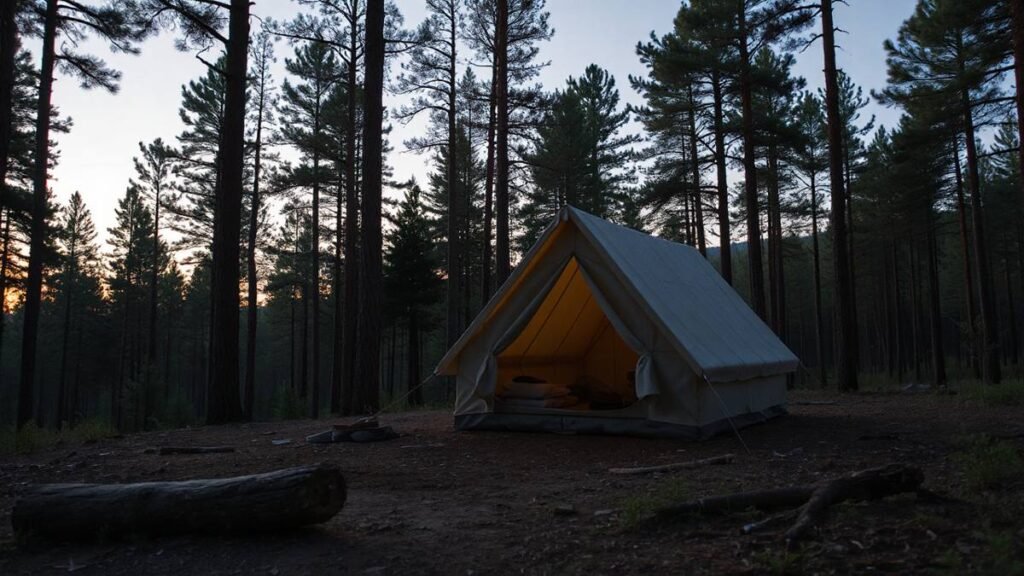
A pup tent is a small, lightweight, A-frame shelter that sleeps one or two people and is simple to pitch, making it a classic choice for backpackers, scouts and budget campers. It has a low profile, little headroom and basic weather protection, so it works best for short trips in mild conditions. This guide explains how pup tents work, who they suit, and how to use one well.
What is a pup tent?
A pup tent is a small tent with a triangular, A-frame shape. Its name is often said to come from the idea that it is only big enough for a dog or a pup, though it usually sleeps one or two people. The classic design uses two poles at each end and a ridgeline, with the fabric staked out on both sides. Modern versions may use a single pole or a frame, but they keep the low, simple shape.
Pup tents are linked with military use and scouting. Today, you can still find them in outdoor stores, though many campers choose dome or tunnel tents instead.
A short history
The pup tent dates back to the 19th century, when soldiers carried two halves of a shelter that buttoned together to form a small tent. This is why it was sometimes called a shelter half. The simplicity, low weight and ease of repair made it popular with armies and with scout groups. As camping grew, manufacturers refined the idea with sewn-in floors, mesh doors and lighter fabrics, but the basic shape stayed the same.
How a pup tent is built
- Shape. A triangular cross-section with sloped walls that shed rain.
- Poles. Often two upright poles at the ends, or a ridge pole, plus stakes and guy lines.
- Fabric. Cotton canvas in older models, polyester or nylon with a waterproof coating in modern ones.
- Floor. Some have a sewn-in groundsheet, others have no floor and need a separate one.
- Doors. A zippered or tied entrance at one or both ends.
Pros of a pup tent
- Light and compact. It packs small, which helps if you carry your gear on foot.
- Easy to set up. Few parts and a simple shape mean quick pitching.
- Low cost. Pup tents are typically among the cheapest shelters.
- Good wind profile. The low shape resists wind better than tall tents.
- Simple to repair. Fewer components mean fewer things to break.
Cons of a pup tent
- Little headroom. You must crawl in and cannot sit upright in most designs.
- Limited space. Two people will feel snug, and there is little room for gear.
- Basic ventilation. Condensation can build up inside, especially in damp weather.
- Weather limits. Without a rain fly or a floor, rain and ground water can get in.
- Not for extremes. It is not a good choice for heavy snow or storms.
Pup tent versus dome tent
| Feature | Pup tent | Dome tent |
|---|---|---|
| Headroom | Low | Higher, often sitting height |
| Weight | Very light | Moderate |
| Setup | Very simple | Simple |
| Storm strength | Basic | Better, with crossing poles |
| Cost | Low | Low to moderate |
If you want to compare more shelters, our guide to the type of tent to use for car camping covers other styles.
Who should use a pup tent?
A pup tent suits scouts, solo backpackers on a budget, people who want a simple emergency shelter and anyone who camps in mild weather for a night or two. It is a good choice if you value low weight and simplicity over comfort. It is a poor choice for families, for long stays or for campers who want to stand up, change clothes or spend time inside during rain. Think about how you camp before you buy.
How to set up a pup tent
Choose a flat spot clear of stones and sticks, and lay out a groundsheet if the tent has no floor. Spread the tent, stake out the corners, then raise the poles or ridge and tighten the guy lines until the fabric is taut. Face the entrance away from the wind, and make sure the rain fly, if any, does not touch the inner wall. Add stakes at the sides for stability. Practice at home first so you can pitch it quickly in the field.
Staying dry in a pup tent
Waterproofing is the main concern. Pitch the tent on slightly raised ground, never in a dip where water gathers. Use a groundsheet under the tent, folded so that it does not extend past the edges, or water will pool between the layers. Keep the fabric from touching the walls, since contact can draw moisture inside. Open the vents or door a little to let moist air out and reduce condensation. If the tent is old, seal the seams and refresh the waterproof coating, following the guidance from REI Co-op on caring for a tent.
What to bring and how to pack it
Because space is limited, pack light. Bring a compact sleeping bag, a sleeping pad that fits the width, a headlamp and a small pack for gear. Keep boots and wet items in a stuff sack near the door, and store food away from the tent, following local rules. Our guide on how to pack your hiking backpack explains how to load your gear for the trail, and the same ideas help you organize items inside a tight tent.
Safety tips
Never use a stove, heater or grill inside a small tent. Carbon monoxide can build up quickly, as the US Consumer Product Safety Commission warns. Choose a site away from dead trees and stream beds, and watch the weather. Keep a knife, a headlamp and your first aid kit within reach. In bear country, store food properly, away from the sleeping area.
Care and storage
Dry the tent before you pack it, and brush off the dirt. Wash it only with mild soap and water, as explained in our guide on how to wash a tent and by MSR. Store it loosely in a cool, dry place, away from direct sunlight. Check the stitching, zippers and poles before each trip, and carry a small repair kit with tape and spare cord.
Alternatives to consider
If a pup tent feels too cramped, consider a lightweight dome tent, a tunnel tent or a tarp shelter. A bivy sack is lighter still but offers less room. For family camping, a larger cabin tent is more comfortable. And if you are not sure you need a tent at all, our guide on whether you need a tent can help you decide.
Buying or borrowing a pup tent
If you are buying, check the fabric, the floor and the zippers. Older canvas tents are heavy and need care, while newer polyester models are light but may need seam sealing. If you only camp once or twice a year, consider renting. Our guide on where to rent tents for camping covers the options.
The bottom line
A pup tent is a simple, low-cost shelter that does one job well: it keeps you out of the weather on short, light trips. If you accept its limits, it is an excellent starter tent. If you want comfort, space or storm protection, choose a dome or tunnel tent instead.
Choosing a campsite for a low tent
Because a pup tent sits close to the ground, site choice matters more than with a taller tent. Look for ground that is flat, firm and slightly raised, with natural drainage away from the tent. Avoid hollows where rain collects, hillsides that funnel water and areas under dead limbs. A spot sheltered from the prevailing wind reduces noise and strain on the stakes, but leave room for air to flow so condensation can clear. Check for ants, roots and sharp stones, and clear them before you pitch. Face the door away from the weather and toward a view if you can, as you will spend more time lying down and looking out.
Making a pup tent more comfortable
A few small upgrades make a big difference. Add a thicker sleeping pad to insulate you from the ground, use a pillow or a stuff sack filled with clothes, and hang a small lantern from the ridgeline. A tarp over the entrance creates a dry spot for boots and cooking in the rain. Bring a small mat for the doorway so dirt stays outside. Use stuff sacks to keep gear organized along the edges, and keep a small towel for wiping condensation off the walls in the morning.
Pup tents for kids and scouts
For children, a pup tent can be an excellent first camping shelter. It is small enough for a child to feel secure, simple enough to pitch together and light enough to carry. Let kids help to stake the corners and tighten the guy lines, so they learn how it works. Set the tent up in the yard first to practice, and bring a flashlight for night-time trips outside. Always have an adult close by, and teach safe habits, such as keeping food away from the tent and never using flames inside.
Common mistakes with pup tents
- Skipping the groundsheet. Without one, ground moisture seeps in.
- Letting the fabric touch the walls. Contact draws moisture inside.
- Pitching in a low spot. Rain collects and floods the tent.
- Loose guy lines. Slack fabric flaps in wind and sags in rain.
- Storing it wet. Mildew can ruin the fabric quickly.
Modern alternatives that keep the pup tent spirit
If you like the idea of a simple, light shelter but want more comfort, look at modern A-frame and tunnel designs. Many use lighter fabrics, add a rain fly and a mesh door, and offer better ventilation. Single-wall shelters and tarp tents are lighter still, and are popular with ultralight backpackers. These designs borrow the pup tent idea of a low, wind-resistant profile but add features that make them easier to live in. Compare weight, packed size and weather rating before you choose.
FAQ
What is a pup tent used for?
It is used for solo or two-person camping, scouting and backpacking where low weight and simplicity matter most.
How many people fit in a pup tent?
Most sleep one or two people, and two will be snug.
Is a pup tent waterproof?
Modern ones use waterproof fabric, but older canvas tents may need treatment. Use a groundsheet and pitch on high ground.
Can I stand up in a pup tent?
No, the A-frame design has little headroom, so you sit or lie down.
Why is it called a pup tent?
The name is often linked to the idea that the tent is only big enough for a pup.
Is a pup tent good for winter?
Not for harsh winter conditions. Choose a four-season tent for snow and strong wind.