
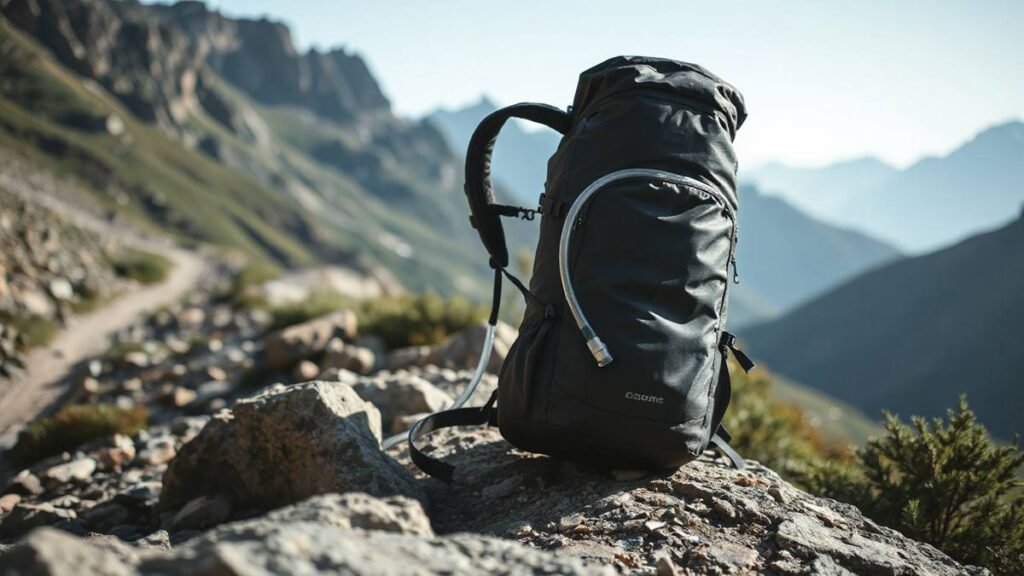
Yes, water backpacks, also called hydration packs, are good for hiking because they let you drink hands-free through a tube, which helps you sip often and stay hydrated. They carry water in a reservoir close to your back and are comfortable for day hikes, trail running and biking, though they need cleaning and can leak if the reservoir is not sealed. Compare current hydration packs below, then read the pros, cons and buying tips.


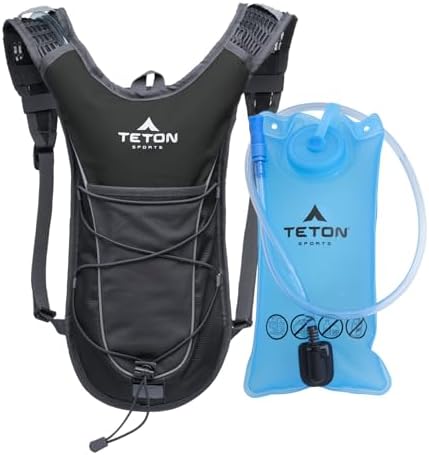


As an Amazon Associate we may earn from qualifying purchases. The products above are my picks from Amazon search results for this topic, not a verified sales ranking. Prices change often, so use the button to see the current offer. For deals around Black Friday and Cyber Monday, see the Black Friday camping gear hub.
What is a water backpack?
A water backpack is a small pack with a built-in reservoir, usually called a bladder, that holds water and connects to a drinking tube. The tube runs over your shoulder and ends in a bite valve, so you can drink as you walk without stopping to take out a bottle. Reservoirs commonly hold from 1.5 to 3 liters, and some packs have extra pockets for snacks, a jacket and small items. You can also buy a reservoir separately and put it into a hiking daypack that has a hydration sleeve.
The benefits of a hydration pack
- Hands-free drinking. You can sip as you walk, which helps you drink more often than you would with bottles.
- Better weight distribution. Water sits close to your back, which keeps the pack balanced.
- Large capacity. A 2 or 3 liter reservoir holds more water than most bottles.
- Easy tracking. You can see how much water you have left.
- Good for movement. Hydration packs are popular for trail running, cycling and fast hikes.
The drawbacks to know about
- Cleaning. Reservoirs need regular washing and drying, or they can grow mold and develop a taste.
- Leaks. A poorly closed cap or a punctured bladder can soak your gear.
- Refilling. It can be harder to refill a bladder in the field than a bottle, especially if it is deep inside the pack.
- Freezing. The tube and valve can freeze in cold weather.
- Hard to measure. It is harder to know how much you have drunk than with marked bottles.
Hydration pack versus water bottles
| Feature | Hydration pack | Water bottles |
|---|---|---|
| Drinking | Hands-free | Need to stop or reach |
| Capacity | 1.5 to 3 liters | 0.5 to 1 liter each |
| Cleaning | More effort | Easy |
| Refilling | Slower in the field | Quick |
| Cold weather | Can freeze | Easier to insulate |
| Reliability | Can leak | Very reliable |
Many hikers carry both: a reservoir for convenience and a bottle as a backup, or for mixing electrolytes.
How much water do you need?
Water needs depend on the temperature, the terrain, your pace and your body. A common guideline is about half a liter per hour in moderate conditions, and more in heat or at altitude. Check the route for water sources, and plan how much to carry between them. If you plan to refill from streams, carry a filter or purification tablets. REI Co-op’s daypack guide also covers how to plan your water, and our guide to choosing the right backpack size explains how capacity affects what you carry.
How to choose a hydration pack
Start with the reservoir size: 1.5 liters for short runs, 2 liters for most day hikes and 3 liters for hot, long or dry routes. Check the pack’s capacity for gear, the fit of the shoulder straps and the presence of a chest strap and a hip belt. Look at the reservoir design: a wide opening makes it easier to fill and clean, and a slide-top closure is usually more secure than a screw cap. Insulated tubes help in cold weather, and a bite valve with a shut-off lever prevents leaks. Fit is vital, so try the pack on with water and check that it does not bounce.
Daypack with a sleeve or a dedicated hydration pack?
A hydration sleeve in a regular daypack lets you use a reservoir when you want and remove it when you do not. This is more flexible if you hike in many conditions. A dedicated hydration pack is usually lighter and smaller, with pockets designed around the reservoir, and it is popular for running and fast hiking. If you want one pack for many uses, see our guide to a good backpack for hiking and school, which describes daypacks with sleeves.
How to fill and use a reservoir
Open the cap fully, fill the reservoir with water, then press out the air and close the cap tightly. Hold the tube higher than the reservoir and squeeze the bite valve to push out air bubbles. Place the reservoir in its sleeve, with the tube routed through the port and clipped to a shoulder strap. When you drink, bite gently and sip. Before a trip, fill the reservoir at home and check for leaks by turning it upside down. For cold weather, blow air back through the tube after drinking to clear the water and reduce freezing.
How to clean a water bladder
Clean the reservoir after each trip. Rinse it with warm water, then wash it with mild soap and a brush that reaches into corners. Rinse well and hang the reservoir open to dry, using a spacer or a clean paper towel to keep the sides apart. Clean the tube and the bite valve too, using a thin brush or a cleaning kit. For a deeper clean, use baking soda or a cleaning tablet, following the product’s directions. Store the reservoir dry, and some people keep it in the freezer, which limits mold. Our guide on how to wash a hiking backpack covers the pack itself.
Tips for using a hydration pack on the trail
- Sip often. Small, regular drinks are better than large ones at long intervals.
- Carry a backup. A small bottle is useful if the reservoir leaks.
- Use a tube clip. It keeps the valve within reach and prevents dragging.
- Keep drink mixes out. Sugary drinks are harder to clean. Use plain water in the reservoir.
- Check for kinks. A kinked tube cuts off flow.
Safety and water treatment
Always treat water from natural sources before you drink it, using a filter, purifier or boiling. Untreated water can carry bacteria and parasites. Know your route, tell someone your plan and carry enough water for emergencies. Pay attention to signs of dehydration, such as headache, dark urine and fatigue, and drink before you are thirsty. In hot weather, add electrolytes, and rest in the shade when you need to.
Who should buy a water backpack?
A hydration pack is a good choice for day hikers, trail runners and cyclists who want to drink often without stopping. It also suits people who carry only light gear. If you prefer simple gear, hike in freezing weather or dislike cleaning, bottles may suit you better. And if you want the best of both, a daypack with a sleeve gives you the choice.
Our recommendation
For most day hikes, a 15 to 25 liter hydration pack with a 2 liter reservoir is a comfortable and convenient setup. Choose a pack that fits well, with a secure reservoir and room for the layers and snacks you need. Compare the current offers through the table above, since prices change often, and see our Black Friday camping gear hub for tips on timing your purchase.
Hydration packs for different activities
The best setup depends on what you do. For trail running, choose a small vest-style pack that sits snugly and holds 1.5 liters with pockets at the front for gels and a phone. For day hiking, a 15 to 25 liter pack with a 2 liter reservoir gives room for layers and lunch. For cycling, a low-profile pack keeps your back cool and lets you drink while holding the handlebars. For long, hot hikes, choose a larger reservoir and carry a bottle too. In winter, consider bottles in insulated sleeves instead, or keep the reservoir inside the pack against your back to reduce freezing.
Common mistakes with water backpacks
- Not testing for leaks. A leaking reservoir can soak your layers and ruin a trip.
- Storing it wet. Damp reservoirs grow mold quickly.
- Filling it too full. An overfilled bladder bulges and can be uncomfortable.
- Skipping the backup. Always have a way to carry water if the system fails.
- Ignoring the weight. Two liters of water weigh about four and a half pounds, so plan the rest of your load accordingly.
Maintenance over the season
A good reservoir lasts several seasons with care. Replace the bite valve and the tube if they become cloudy, stiff or hard to clean. Check the seams and the cap for cracks, and replace the reservoir if it begins to leak or smell. Keep a spare bite valve in your repair kit, because it is small and light. Between trips, keep the reservoir open and dry, and avoid leaving water inside for days.
Budget and value
Hydration packs range from simple, low-cost models to feature-rich vests from running brands. A modest pack from a reputable maker is usually enough for hiking. Spend more if you need a better fit, more pockets or a more durable reservoir. Check the warranty and the availability of replacement reservoirs, and look at the live listings through the table above, as prices change often.
Water backpack myths
Some hikers believe a hydration pack makes you drink too much, or that water in a bladder tastes bad. In practice, most people drink more because it is easy, and a clean reservoir gives no taste. Another myth is that bladders always leak. Modern reservoirs with welded seams and quality caps are reliable if you check them. The real downside is the cleaning, which takes a few minutes after each trip.
FAQ
Are hydration packs good for day hikes?
Yes, they are comfortable and let you drink hands-free, which helps you stay hydrated.
How big a reservoir do I need?
Two liters is enough for most day hikes. Choose 3 liters for hot or long routes.
How do I stop a hydration pack from leaking?
Close the cap fully, check the tube connection and test the reservoir at home before your trip.
How often should I clean the bladder?
Rinse after every trip and wash it with mild soap regularly. Dry it fully before storing it.
Can I use electrolyte drinks in a hydration pack?
You can, but they are harder to clean. Many people use plain water in the reservoir and mix drinks in a bottle.
Will the tube freeze in winter?
It can, so insulate the tube and blow air back through it after drinking.
Related guides
- What is a good backpack for hiking and school
- How to buy a hiking backpack
- Are fjallraven kanken backpacks good for hiking