
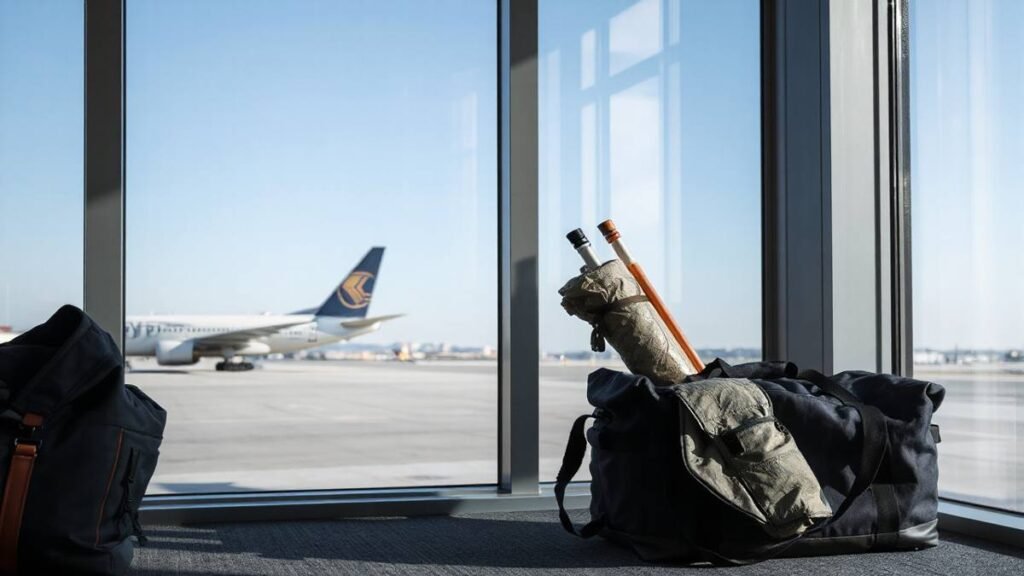
Yes, you can fly with a camping tent. Most tents are allowed in both carry-on and checked luggage, but sharp items such as stakes and tools are usually safer in a checked bag, and you should confirm your airline’s size and weight limits. This guide explains the TSA rules, how to pack poles, stakes and fabric, and tips to avoid damage and delays.
The short answer
Tents are not prohibited items on commercial flights. The Transportation Security Administration lists what you may bring, and a tent itself is normally fine. The main issues are sharp or dangerous accessories, the size and weight of the bag and your airline’s own rules. Always check the TSA’s list of what you can bring before you pack, because the rules can change and officers have the final say at the checkpoint.
Carry-on or checked bag?
A small backpacking tent often fits in a carry-on or a backpack, but the poles may be long and the stakes pointed. A larger tent, or one with metal stakes, tools or a mallet, is better in a checked bag. Checking your tent protects you from last-minute checkpoint problems, but it also exposes the bag to rough handling. If you carry it on, make sure that it fits the airline’s size limit and the overhead bin. Many travelers use a duffel that can serve as either.
What the TSA says about tent parts
- Tent fabric and bag. Allowed in both carry-on and checked luggage.
- Poles. Usually allowed, but long poles may not fit in carry-on size limits.
- Stakes. Metal stakes can be treated as sharp objects, so pack them in checked baggage.
- Mallets and hammers. Tools like these usually belong in checked baggage.
- Knives and multi-tools. Pack them in checked bags only.
Airline size and weight limits
Each airline sets its own limits for carry-on and checked bags, including dimensions and weight. A tent packed with poles can exceed a standard carry-on, and heavy family tents can go over the weight limit for a checked bag. Check your airline’s website before you pack, and weigh the bag at home. Budget carriers often charge more for oversize or overweight bags. If your bag is too heavy, move heavy items such as stakes, poles or fuel-free stove parts to a second bag.
How to pack a tent for flying
Remove the tent from its stuff sack, fold it flat and roll it tightly to reduce its size. Put the poles in their own sleeve, or tape them together so they do not poke through fabric. Wrap the stakes in a cloth and place them in a separate pouch. Put the rain fly in the tent bag, or in a zip bag to keep dirt away. Place the tent in a duffel or backpack, with soft items such as clothes around the poles. Label the bag with your name and phone number. Our guide on how to fly with a hiking backpack gives more advice on protecting the straps.
Make sure the tent is clean and dry
Some countries restrict the import of soil, seeds and plant material, and airlines or customs may ask about dirty camping gear. Brush off mud, wash the tent if needed and dry it fully before you pack. Our guide on how to wash a tent explains how. A dry, clean tent also avoids mildew during the trip.
International flights and customs
If you travel abroad, check the customs rules of your destination. Some countries inspect camping gear for soil, seeds and insects, and may fine you if it is dirty. Declare the gear if asked, and keep it clean. Also check for restrictions on fuel canisters, which are not allowed on planes, and plan to buy fuel on arrival. Keep receipts for expensive gear when you cross borders, in case customs asks about it.
What to do about fuel, stoves and tools
Camping fuel is not allowed on flights, including compressed gas canisters and liquid fuel. Empty stoves must be clean and free of fuel odor, and some airlines may still reject a stove that smells of fuel. Many travelers buy fuel at their destination. Lighters and matches have their own rules, so check the TSA list. Pack tools like a mallet or a multi-tool in your checked bag.
Renting instead of flying with a tent
If your tent is large or your airline fees are high, renting at your destination can be cheaper and easier. Check outfitters and rental shops near your campsite. Our guide on where to rent tents for camping lists the main options. You may also buy a low-cost tent at your destination and donate it afterwards.
Common mistakes to avoid
- Packing stakes in your carry-on. They may be confiscated.
- Ignoring weight limits. A heavy tent can lead to extra fees.
- Forgetting to dry the tent. Mold and smells can spread to other gear.
- Taking fuel. Fuel canisters are not allowed on planes.
- Not labeling the bag. A tag helps if the bag is lost.
A quick checklist before you fly
- Check the TSA rules and your airline’s policy.
- Weigh and measure your bag.
- Pack stakes and tools in the checked bag.
- Clean and dry the tent.
- Leave fuel at home and plan to buy it later.
- Take photos of your packed gear for insurance.
Choosing a tent that is easy to fly with
If you plan to fly often, choose a tent built for travel. Look for a lightweight backpacking tent with a small packed size, short pole sections and a low weight. Freestanding designs are easier to pitch on varied surfaces, and tents with aluminum poles are light and strong. Avoid large family tents with heavy fiberglass poles, which can exceed baggage limits and are hard to pack. Weigh the full set, including the rain fly, stakes and footprint, and compare it to your airline’s limit before you buy.
How to protect your tent from damage in transit
Baggage handlers move bags quickly, so protect your tent. Wrap poles in clothing or foam, and keep them away from the zipper. Use a sturdy duffel with a lock or cable tie, and add a luggage tag with your contact details. Avoid overstuffing, which stresses seams and zippers. If the tent is valuable, place it in a hard-sided case or wrap it in a protective sleeve. After you land, inspect the poles, the fabric and the zippers, and photograph any damage before you leave the airport so that you can file a claim.
Flying with other camping gear
A tent is only part of your kit. Sleeping bags and pads compress well and are allowed on flights. Trekking poles are usually allowed in checked bags and may be refused in carry-ons. Headlamps and batteries should follow airline rules, with spare lithium batteries in your carry-on rather than checked luggage. Water filters are fine, though you should dry them to avoid damage from freezing. Our guide on how to pack your hiking backpack explains how to organize the rest of your gear, and the advice on REI Co-op’s camping checklist helps you avoid forgetting key items.
Using a duffel or a backpack for your tent
A duffel bag is the easiest way to move a tent and other camping gear, since it is flexible and can be squeezed into odd spaces. A backpack is more comfortable to carry through the airport, but its straps can catch on conveyor belts if you check it. If you check a backpack, close the straps or use a protective cover. Many airlines accept a hiking pack as a checked bag, though some may charge a fee. Choose the bag that suits your trip and the way you will carry it at the destination.
Planning for arrival
When you arrive, you will need to get your tent to the campsite. Check the public transport options, the distance from the airport to the trailhead and the availability of rental cars or shuttles. If you need to buy fuel, a stove or food, shop on the way in, and look for outdoor stores near the airport. Dry your tent if it got damp on the flight, and pitch it once at your first campsite in the daylight, so that you can find any damage early.
Flying home with a used tent
After a trip, your tent may be dirty or damp. Dry it fully before you pack it for the return flight, and brush off dirt, sand and plant material. Check that you have all the stakes, poles and parts. Fuel canisters must stay behind, so give them to another camper or dispose of them according to local rules. If you bought the tent abroad, keep your receipt in case customs asks about it. And when you get home, air it out and store it properly.
Insurance, lost bags and what to do if something goes wrong
If your bag is delayed or lost, report it at the airport before you leave, and keep your claim number. Carry the essentials, such as a headlamp, a jacket, medication and a basic shelter option, in your carry-on so that you can cope for a night if the checked bag arrives late. Check whether your travel or home insurance covers outdoor gear, and keep a photo list of what you packed. If the tent is damaged, report it to the airline within the time limit stated in its policy, usually a few days, and keep your receipts. A calm, organized approach makes claims easier.
Camping gear rules can change
Airline and security rules change, and different airports or countries may apply them differently. Check the current TSA guidance and your airline’s policy before each trip, and allow extra time at the airport. If you are unsure about an item, ask the airline in advance or leave it at home. When in doubt, pack questionable items in your checked bag, and plan to replace them at your destination if they are confiscated.
FAQ
Can I bring a tent in my carry-on?
Often yes, if it fits the size limit, but pack stakes and tools in checked bags.
Are tent poles allowed on planes?
Usually yes, though long poles may exceed carry-on limits.
Can I bring tent stakes on a plane?
Pack them in checked baggage, since sharp objects may be removed at security.
Can I take camping fuel on a plane?
No. Fuel canisters and liquid fuel are not allowed, so buy fuel at your destination.
Does a tent count as a checked bag?
It depends on how you pack it. Check your airline’s fees and size rules.
What is the best bag for flying with a tent?
A sturdy duffel or backpack that meets your airline’s limits works well.