
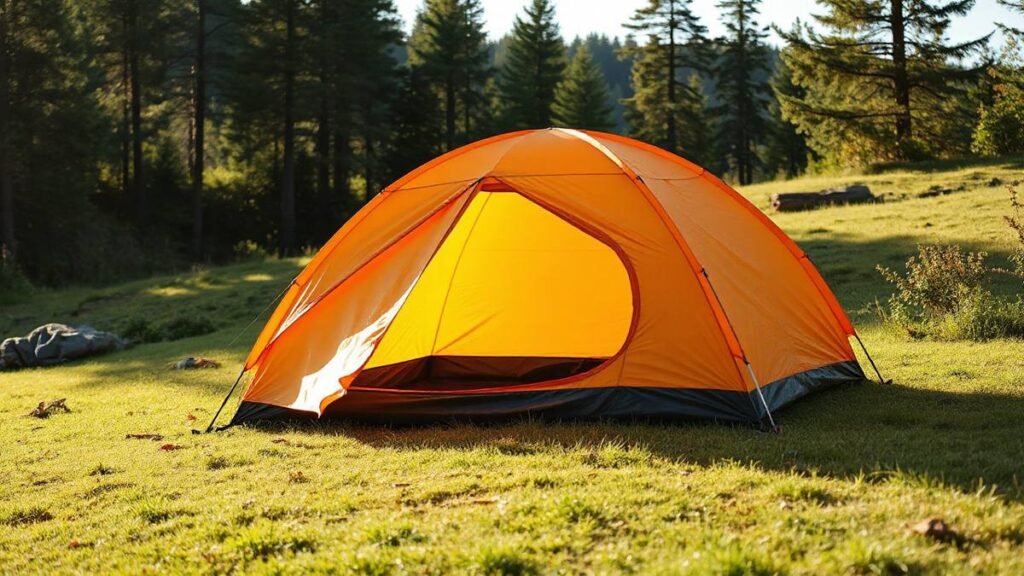
Coleman instant tents are built for fast, easy setup, with poles attached to the tent so it pitches in minutes, and they are a popular pick for casual family and car camping. They are roomy and convenient, but they are bulky and heavy to carry and are better in mild weather than in strong wind or long storms. Compare current Coleman and similar instant tents below, then read how to judge one.


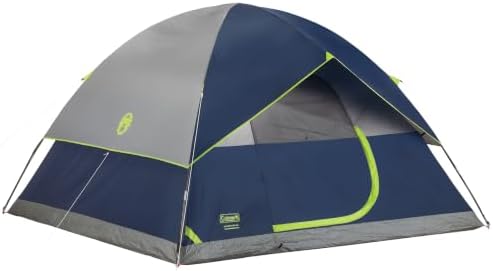
As an Amazon Associate we may earn from qualifying purchases. The products above are my picks from Amazon search results for this topic, not a verified sales ranking. Prices change often, so use the button to see the current offer. For deals around Black Friday and Cyber Monday, see the Black Friday camping gear hub.
What “instant” means
An instant tent, sometimes called a pop-up or quick-pitch tent, has its poles pre-attached to the tent body. Instead of threading poles through sleeves one by one, you unfold the tent, extend the poles and hub joints and stake out the corners. Coleman is one of the best-known makers of this style, and its instant tents are typically sold in capacities from two people up to a dozen. The company advertises that many of its instant cabin tents can be set up in about a minute or a few minutes, though real-world setup time depends on the size of the tent and on how comfortable you are with it.
This review looks at the design as a category, because Coleman sells many models and they change from year to year. We do not quote ratings, prices or specifications that may have changed. For a specific model, always check the current listing.
Who Coleman instant tents suit
- Casual car campers who camp a few weekends a year and want a simple setup.
- Families with kids who need to get a shelter up quickly after a long drive.
- First-time campers who do not want to wrestle with poles in the dark.
- Festival and event campers who need a fast, affordable shelter.
They are not designed for backpacking, because they are heavy and bulky, and they are not ideal for harsh weather.
Strengths
- Fast setup. Pre-attached poles save time and frustration, especially for beginners.
- Roomy interiors. Many models are cabin-style with generous headroom and space for cots or air mattresses.
- Familiar design. Coleman has long experience in family camping, and parts and instructions are easy to find.
- Value. Instant tents are often competitively priced compared with premium family tents, though prices change.
- Weather features. Many models include rainfly options and sealed seams, depending on the model.
Limitations to know about
- Weight and bulk. They are heavy and awkward to carry, which rules them out for hiking.
- Wind. Tall cabin walls catch wind. Use every stake and guy line, and avoid exposed sites in strong gusts.
- Folding back up. Collapsing a large instant tent into its bag can be tricky the first time. Practice at home.
- Durability of hubs and poles. Pre-attached pole systems have moving joints that can wear or break if forced.
- Not a four-season tent. Most are intended for fair-weather camping.
How to judge a specific instant tent
| Check | Why it matters |
|---|---|
| Capacity and floor area | Pick a size one or two people larger than your group. |
| Rainfly and seams | Look for a full fly and taped seams. |
| Ventilation | Mesh windows reduce condensation. |
| Weight and packed size | Make sure you can carry it from the car. |
| Door and window layout | Two doors help families. |
| Warranty | Coverage varies by model. |
Setup tips
- Choose a flat, cleared spot and lay a footprint or tarp.
- Unfold the tent and extend the poles according to the instructions.
- Stake the four corners first, then the walls and guy lines.
- Attach and tension the rainfly.
- Open vents for airflow.
Read the manual once at home, and practice a full setup and takedown before your trip.
Care and storage
Dry the tent fully before storing it, brush out dirt and avoid long storage in damp places. Our guide on how to wash a camping tent explains how to clean it, and our post on what to put under a tent covers ground protection.
Alternatives to consider
If you like quick setup but want more weather protection, look at tents with hubbed pole systems and color-coded clips, which are only slightly slower to pitch. If you want something lighter for hiking, see our guide to lightweight two-person tents. For general buying advice, read the best camping tents.
How instant cabin tents compare with traditional poles
Traditional dome and cabin tents use separate poles that you thread through sleeves or clip to the tent body. They take longer to pitch, but they are lighter, pack smaller and offer more design choices. Instant tents trade some weight and packability for speed. If you drive to your campsite and carry the tent only a few steps, that trade can be worthwhile. If you hike or have limited storage space, a conventional tent is a better fit.
There is also a middle ground. Many modern family tents use hubbed poles that connect several pole segments at once, with color-coded clips, which can cut setup time significantly without the extra weight of a fully attached system. Compare setup instructions and videos before you buy, and choose the system you are comfortable with.
Using an instant tent in rain and wind
No tent handles every storm, and instant cabin tents are best for fair to moderately rough weather. In rain, always attach the rainfly if one is included and pull it taut so that water runs off instead of pooling. Make sure the floor is protected with a footprint that is slightly smaller than the tent floor, so that water does not collect between the footprint and the tent. In wind, use all stakes and guy lines, orient the narrowest side of the tent into the wind and pitch behind a natural windbreak if one is available. If strong gusts or storms threaten, consider taking the tent down or moving to a sturdier shelter. Safety matters more than keeping a tent standing.
Ventilation and condensation
Large tents hold a lot of air, but they also collect a lot of moisture from breathing and wet gear. Open the windows and vents, even a little, and keep the rainfly slightly away from the tent body so that air can flow. Avoid storing wet clothing and boots inside. If you wake to droplets on the inside of the tent, it is condensation, not necessarily a leak. Wipe the walls with a towel and let the tent air out in the sun before you pack it away.
Setting up a comfortable interior
A roomy instant tent invites comfort. Place cots or sleeping pads away from the walls, because walls can be damp with condensation. Use a rug or mat inside the door to keep dirt out. Hang a lantern from the center loop and use pockets for small items. Keep food and scented items out of the tent, in line with the campground’s rules for storing food. If you share the tent, agree on spots for shoes and bags so the floor stays clear. A tidy tent feels much larger than a messy one.
Our guide on where to put the sleeping pad offers more about floor setup.
Troubleshooting common problems
- The tent will not fully open: check that every hub and joint is moving freely and that no fabric is caught in the pole mechanism. Never force it.
- The tent sags or leans: re-stake the corners and tension the guy lines. Make sure the ground is level.
- Zippers snag: clean them with a soft brush and use zipper lubricant.
- Rain drips inside: check that the rainfly is tight and not touching the tent wall. Seal leaking seams if needed.
- A pole joint is stiff or broken: contact the maker about replacement parts and the warranty.
Who should skip an instant tent
If you plan to backpack, camp in snow or hike into remote areas, an instant tent is the wrong tool. If you often camp in strong wind or in places with very hard ground, a sturdier pole system and a lower profile are better choices. If you value a small packed size, a standard dome tent will pack more compactly. And if you are short on storage space at home, remember that an instant cabin tent comes in a long, heavy bag that takes up space in a closet or garage.
Our take
Coleman and similar instant tents solve a genuine problem: they make the first few minutes at a campsite easier. For casual car camping, family weekends and new campers, that convenience can make the difference between a stressful arrival and a relaxed one. They are not the lightest, strongest or most compact tents available, so match them to fair-weather trips where you do not have to carry them far. Practice at home, use all the stakes, protect the floor and dry the tent before you store it. See our Black Friday camping gear hub for sale-season shopping, and use the table button to check the current Amazon offer, since prices change often.
Before you buy: a short checklist
Read the product description for the exact model, since Coleman sells many instant tents with different sizes, rainfly designs and ventilation. Compare the floor area and the center height with your group and your cots or air mattresses. Check the packed weight, and decide whether you are comfortable carrying that weight from your car to the site. Confirm that the tent includes a rainfly, stakes and guy lines, and look at what the warranty covers. Finally, read recent reviews for the specific model and note any repeated complaints about leaks, zippers or pole joints. A few minutes of checking at this stage can save you from a disappointing trip later.
FAQ
How fast can a Coleman instant tent be set up?
Coleman advertises setup in about a minute or a few minutes for many models, but real setup time depends on the tent size and your experience.
Are instant tents waterproof?
Many include a rainfly and sealed seams, but waterproofing varies by model. Check the details and use the rainfly.
Can instant tents handle wind?
They can in moderate wind if fully staked and guyed out, but tall cabin designs are more vulnerable in strong gusts.
Are Coleman tents good for beginners?
Their ease of setup and roomy interiors make them a common choice for beginners and casual campers.
Can I use an instant tent for backpacking?
No. They are heavy and bulky, so choose a lightweight backpacking tent instead.
Related guides
- Whats the best tent for family camping
- What are the best camping tents
- Is a clam screen tent any good for camping in