
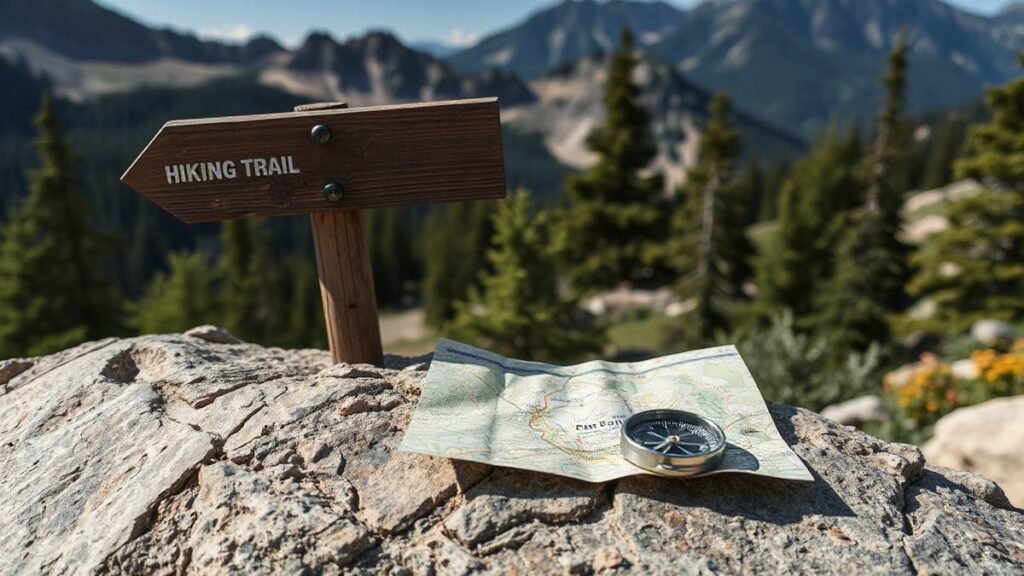
To become a hiking and backpacking guide, build strong outdoor skills, earn wilderness first aid or first responder certification, gain experience leading trips, learn navigation and Leave No Trace, and apply to outfitters or the land agencies that issue permits. Requirements vary by country and region, so check local rules. This guide outlines the path from hobbyist to professional.
What does a hiking guide do?
A hiking guide leads groups on trails and backcountry routes, keeps them safe and shares knowledge about the area. Duties include planning routes, checking weather, managing risks, handling gear, cooking, teaching skills and responding to emergencies. Guides work for outfitters, parks, schools, camps and tour companies, or run their own businesses. The job is physically demanding and seasonal, but rewarding for people who love the outdoors and enjoy working with others.
Step 1: Build your own skills and experience
Before you lead others, you must be comfortable on the trail yourself. Hike and backpack in a variety of seasons, terrains and weather conditions. Learn to navigate with a map and compass, to pack efficiently and to camp comfortably. Our guide to how to start hiking and backpacking is a starting point, and how to pack a backpack for overnight hiking covers the basics of gear. Keep a log of your trips to show your experience.
Step 2: Get wilderness first aid training
First aid training is the most common requirement. Courses such as Wilderness First Aid, Wilderness First Responder and Wilderness EMT teach you to treat injuries and illness when help is far away. A Wilderness First Responder course is often about 70 to 80 hours, and many outfitters expect it. Keep your certification current, and consider CPR training too. Check with the outfitters you hope to work for.
Step 3: Learn Leave No Trace and land ethics
Guides set an example. Learn the seven Leave No Trace principles, and consider taking a trainer or master educator course. Understand the rules for the lands you plan to guide on, such as national parks, forests and wilderness areas. Many have permit requirements for commercial guides. Respect local communities and cultures, and teach clients to do the same.
Step 4: Develop navigation and risk management skills
Guides must navigate in any weather and manage risk for a group. Practice map and compass skills, GPS use and route planning. Learn to assess weather, terrain and group ability, and to make good decisions about when to turn back. Take courses in backcountry navigation, avalanche awareness if you will guide in snow, and swift-water awareness if you will cross rivers.
Step 5: Gain leadership and teaching experience
Practice leading trips for friends, clubs or youth groups. Volunteer with outdoor programs, scouts or trail clubs. Learn to communicate clearly, to manage group dynamics and to teach skills. Ask for feedback. Many guides start as assistants or trainees before leading their own trips. This experience builds your confidence and your resume.
Step 6: Consider formal guide training and certification
Some regions and activities have certification programs. Options may include guide schools, mountain guide associations and outdoor leadership courses. Programs vary by country, so research those in your area. Certification is not always required, but it can help with insurance, permits and credibility. Choose courses that match the type of guiding you want, such as day hiking, backpacking, mountaineering or cultural tours.
Comparing common guide paths
| Path | Typical requirements | Pros |
|---|---|---|
| Outfitter employee | First aid, experience, interview | Training and steady work |
| Park or camp staff | Seasonal application, certifications | Good entry point |
| Independent guide | Permits, insurance, business skills | Freedom and higher earning potential |
| Specialty guide | Advanced training | Niche trips, higher pay |
Step 7: Learn the business side
Guiding is also a business. Learn about insurance, liability, permits, marketing, pricing and client care. If you want to start your own company, research the local requirements for commercial use of public lands, and talk to experienced guides. Build a website, collect testimonials and offer clear descriptions of your trips. Good communication and a professional approach set you apart.
Step 8: Apply for jobs and build a network
Apply to outfitters, camps, parks and tour operators. Many hire in the winter or early spring for the summer season. Prepare a resume that highlights your trips, certifications and leadership. Attend outdoor industry events, join clubs and connect with other guides. Many jobs come through personal references, so build relationships and a good reputation.
Skills that make a great guide
- Strong hiking and camping skills.
- Calm decision making under pressure.
- Clear communication and teaching.
- Patience with beginners.
- Cooking and camp management.
- Knowledge of local nature, history and culture.
Gear every guide should have
Guides carry more than clients. Expect a larger first aid kit, repair kit, navigation tools, communication devices, extra food and layers. Choose reliable, durable gear, and learn to fix it in the field. Our guide on how to make your hiking backpack lighter helps you balance weight and safety, and how to pack your hiking backpack helps you organize a heavy load.
The realities of the job
Guiding has long hours, weather, seasonal work and modest pay at the start. Many guides work several seasons or combine guiding with other jobs. The rewards include time outdoors, helping people discover nature and a strong community. Be realistic about the lifestyle, and plan for income and benefits outside the guiding season.
Guiding specialties and what they demand
Guiding covers many styles. Day hike guides lead short trips with an emphasis on nature and safety, and they need local knowledge and first aid. Multi-day backpacking guides add camp skills, food planning and logistics. Mountaineering and alpine guides require technical skills, rope work and often formal certification. Winter guides need avalanche training and cold-weather skills. Cultural and interpretive guides focus on history, wildlife and stories. Choose a specialty that matches your interests, and plan the training for it. Many guides start with day hikes and add skills over time.
Insurance, permits and legal basics
Commercial guiding on public lands usually requires a permit, and guides must follow rules about group size, routes and safety. Insurance protects you and your clients if something goes wrong, and many employers require proof of coverage. If you guide independently, research liability waivers, risk management plans and the licensing rules of your area. Rules differ widely, so ask the land agency and local guide associations. Never guide commercially without checking, because penalties can be severe.
Working with clients: communication and safety briefings
Great guides make people feel safe and welcome. Start each trip with a briefing on the route, the weather, safety rules and the pace. Learn about clients’ experience, health and expectations before the trip. Watch for signs of fatigue, dehydration and discomfort, and adjust the plan. Explain decisions clearly, and invite questions. If clients are anxious, give them small wins and encouragement. Debrief at the end of each trip, and ask for feedback.
Building a reputation and growing your career
Reviews and referrals matter in this field. Deliver safe, enjoyable trips, and ask satisfied clients for testimonials. Keep learning with new courses, mentor newer guides and share your knowledge through a blog or social media. As you gain experience, you can move into roles such as lead guide, trip manager, trainer or business owner. Some guides write, teach or consult. A strong reputation opens doors, and consistency builds trust.
Fitness and health for guides
Guides must keep fit for long days with heavy loads, and look after their health. Build endurance with regular hikes, strength training and flexibility work. Eat well, drink enough water and rest between trips. Take care of your feet, your back and your mental health, since the job can be tiring. Get regular medical checks, and know your limits. Fit guides stay safe and set a good example for clients.
Emergency planning and communication
Every guide needs an emergency plan. Know the nearest help, the evacuation routes and the contact details of local rescue services. Carry a satellite messenger or other reliable communication if phones do not work. Leave a detailed itinerary with someone, and agree on check-in times. Practice scenarios such as injury, lost hikers and sudden weather changes, so you can act calmly when it matters. Document incidents and learn from them.
Learning from mentors and continuing education
The best way to learn is from experienced guides. Ask for mentorship, shadow leaders on trips and attend workshops and conferences. Keep learning about ecology, geology, weather and culture, since clients love stories. Update your first aid certification and add skills such as avalanche or swift-water rescue. A guide who never stops learning is better, safer and more interesting.
Ethics, safety culture and responsibility
A guide’s first duty is the safety of the group, and the second is care for the land. Put safety above schedules and summit goals, and never push clients beyond their limits. Be honest about risks, and make decisions that you can explain. Respect wildlife, local people and other visitors. Report problems to land managers, and follow all rules. Guides who show integrity earn trust, which is the foundation of the profession.
Seasonal planning and income
Most guiding is seasonal, with peak demand in summer and shoulder seasons. Plan your finances so that you can handle off-season months, perhaps by working in another field, teaching courses or guiding in a different region. Save during busy periods, and keep your certifications and equipment up to date. Many guides combine several roles to make a stable living.
Where to find more guidance
Many guide associations, outdoor schools and land agencies publish training information and job boards. Read their requirements, talk to working guides and consider shadowing a trip to see the job first-hand. Take your time, build a solid base of skills and treat guiding as a long-term craft. The path is slow, but it leads to a rewarding way of life for people who love the trail.
FAQ
Do I need a certification to be a hiking guide?
Requirements vary. Wilderness first aid is the most common, and some regions require permits or formal guide certification.
How long does it take to become a guide?
It depends on your experience, but many people build skills for a few years before leading trips professionally.
Can I start my own guiding business?
Yes, but you will need permits, insurance and business skills.
How much do hiking guides earn?
Pay varies by region and employer, so check job listings and speak to local guides.
What first aid course should I take?
A Wilderness First Responder course is widely recognized.
Do I need to be an expert hiker?
You need strong skills and experience, but you can keep learning on the job.
Related guides
- How to start hiking and backpacking
- How much harder is backpacking than hiking
- How to pack a backpack for overnight hiking